
How Oregon Flavored Vape Law Affects Vaping Health in 2025
The vaping industry continues to evolve under new regulations, and Oregon is among the states shaping the future of e-cigarette use. The Oregon flavored vape law, designed to reduce youth addiction and address public health concerns, has become a major topic of debate in 2025. While many support the measure as a way to protect younger generations, others question whether banning or restricting flavored vapes actually benefits health or pushes users toward unintended risks. Understanding the law and its health implications is critical for both vapers and policymakers.
Understanding the Oregon Flavored Vape Law
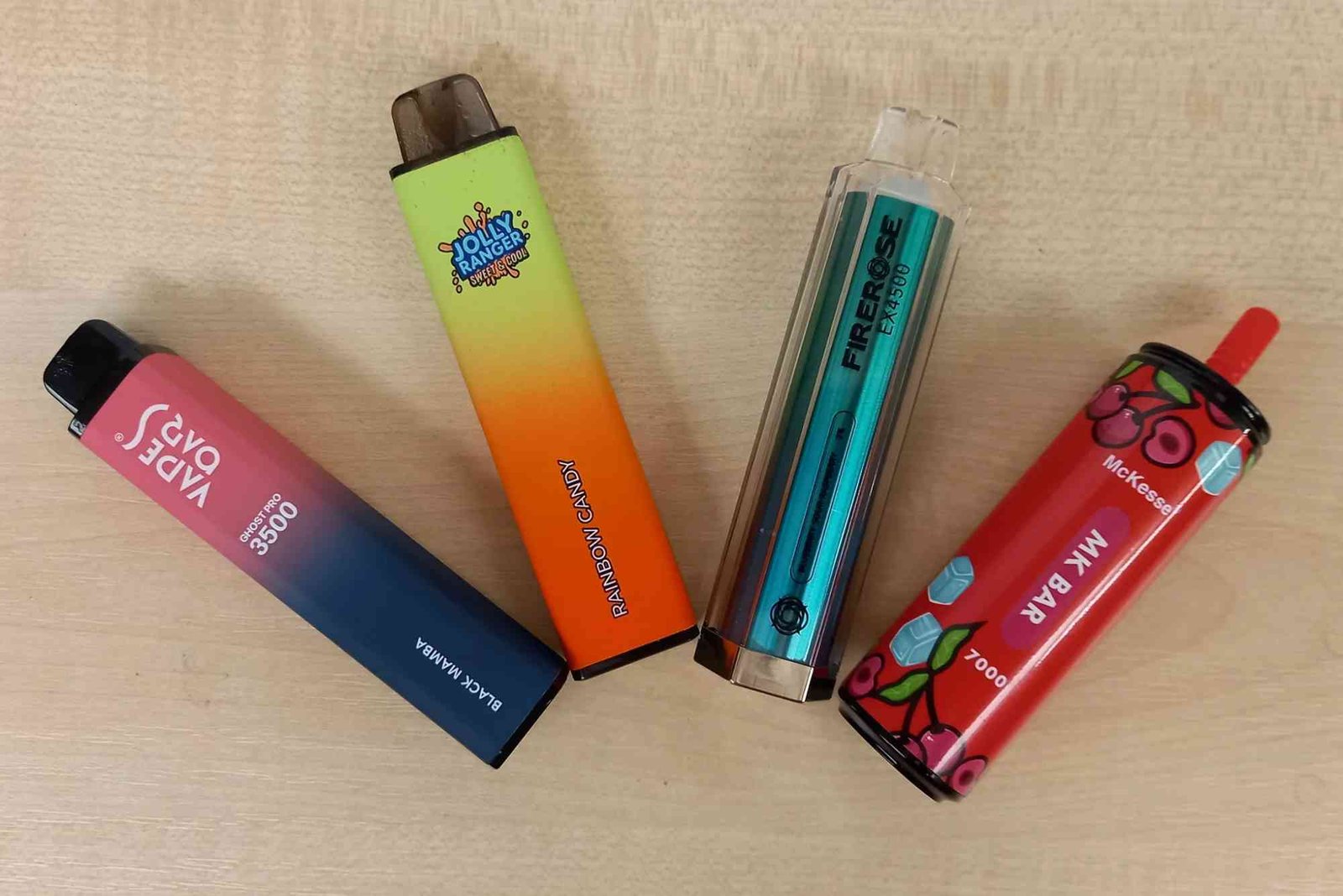
The Oregon flavored vape law primarily restricts the sale of flavored e-cigarettes and vaping products that are seen as attractive to young people. Flavors like fruit, candy, mint, and dessert blends fall under heavy scrutiny, as public health officials argue they contribute to rising vaping rates among teens. By contrast, tobacco-flavored and sometimes menthol products remain available in limited settings.
This law is part of Oregon’s broader tobacco control strategy, aligning with national concerns about youth nicotine use. Lawmakers cite evidence showing that young users are more likely to start vaping with sweet or fruity flavors. In 2025, enforcement mechanisms have tightened, with fines for retailers who violate restrictions and increased monitoring of online sales.
For adult vapers, the law can feel restrictive, particularly for those who prefer non-tobacco flavors as a less harmful alternative to smoking. Some argue that flavor bans may discourage smokers from switching, limiting harm reduction opportunities. This balance between protecting youth and supporting adult choice lies at the center of the law’s controversy.
Health Effects Linked to the Law
Youth Vaping Rates
One of the most immediate effects of the Oregon flavored vape law is its influence on youth vaping rates. Early reports from public health departments suggest a modest decline in flavored vape usage among teenagers. However, it remains unclear whether this decline represents an actual reduction in nicotine dependence or simply a shift toward unregulated markets.
Adult Vaping and Smoking Habits
For adult vapers, especially those who quit smoking through flavored e-liquids, the law presents challenges. Many adults find tobacco flavors less appealing and may struggle to maintain vaping as a smoking alternative. In some cases, individuals return to cigarettes, which carry far greater health risks. This unintended consequence raises concerns about whether the law undermines public health goals.

The Rise of Black Market Products
Restrictions often create new markets, and Oregon is not immune. The flavored vape ban has led some users to seek products from unlicensed vendors or out-of-state sources. These black-market options can be more dangerous because they may contain contaminants, unregulated nicotine levels, or harmful additives. Ironically, a law intended to protect health can sometimes push users toward higher-risk alternatives.
Public Health Perspective
Public health advocates defend the Oregon flavored vape law as a preventative measure. The goal is to limit exposure, particularly for teenagers who are most vulnerable to nicotine addiction. Long-term studies consistently show that early nicotine use increases the likelihood of addiction and has negative effects on brain development.
The law also reflects lessons learned from the cigarette industry, which previously used flavored products to attract new users. Advocates argue that by removing sweetened and fruit flavors, Oregon is cutting off a gateway before it grows into a larger epidemic.
Still, experts acknowledge that adult smokers attempting to quit may face unintended consequences. The challenge lies in balancing youth protection with harm reduction for existing smokers. Oregon’s approach demonstrates the complexity of crafting effective public health policy in a rapidly changing industry.
Economic and Social Impacts
The flavored vape law also affects local businesses. Vape shops that once relied heavily on flavored e-liquids now face declining sales. Many have shifted to selling hardware, nicotine-free products, or non-restricted flavors, but revenue losses remain significant.
For consumers, the law adds inconvenience and often higher costs. Some travel out of state to purchase their preferred products, while others turn to online sellers that operate in gray legal areas. This creates disparities between those who can access alternatives and those who cannot, raising concerns about fairness and enforcement.
On a social level, the law has sparked heated debates. Parents and educators often support it as a way to protect children, while adult vapers argue that their rights and health choices are being unfairly restricted. The discussion highlights broader cultural tensions around personal freedom and public health.
Oregon Flavored Vape Law and Vaping Health in 2025
By 2025, research on the Oregon flavored vape law shows mixed results. While youth vaping numbers have declined, adult smoking rates in certain communities have slightly increased. This suggests that the ban may discourage some from maintaining vaping as a less harmful option.
The law also encourages further studies on whether banning flavors truly improves health outcomes or whether regulation of nicotine content, packaging, and marketing could be more effective alternatives. Oregon’s case is being closely watched by other states considering similar measures.
Expert Insights on Health Outcomes
Medical experts note that nicotine, regardless of flavor, is addictive. However, the delivery system and additives can influence health outcomes. Flavored vapes often contain chemicals that, while approved for food use, may not be safe for inhalation. Some flavors, like cinnamon or buttery blends, can release harmful compounds when vaporized.
Yet, when compared to combustible cigarettes, vaping generally produces fewer toxic chemicals. This makes vaping a harm reduction tool for smokers. The Oregon flavored vape law complicates this balance by potentially reducing access to safer alternatives for adults, even as it seeks to protect youth.
Looking Ahead: The Future of Vaping in Oregon
The flavored vape law will continue to evolve. Policymakers may refine the approach by adding exceptions for adult-only vape shops, introducing more rigorous product testing, or exploring age-restricted licensing for flavored sales. Public health experts are calling for more nuanced strategies that protect youth without undermining harm reduction for adults.
Technology may also play a role in the future. Some manufacturers are developing synthetic nicotine products or new formulations that meet legal standards while offering appealing alternatives to smokers. As the industry adapts, Oregon will face ongoing challenges in keeping regulation aligned with innovation.
Frequently Asked Questions
Why did Oregon ban flavored vapes?
Oregon restricted flavored vapes to reduce youth vaping rates, as sweet and fruity flavors are linked to teen nicotine addiction.
Are menthol vapes still legal in Oregon?
Menthol products may remain available under limited regulation, but availability depends on retail compliance and evolving state rules.
Does the Oregon flavored vape law affect adults?
Yes. Adults who prefer flavored vapes face reduced choices and may struggle to maintain vaping as a smoking alternative.
Can I buy flavored vapes online in Oregon?
Many online sales are restricted, but some consumers bypass rules, raising risks of unregulated or unsafe products.
What are the health effects of vaping without flavors?
Health risks mainly come from nicotine and inhaled chemicals. While less harmful than smoking, unflavored vapes still carry addiction risks.
The Oregon flavored vape law represents a bold effort to curb youth nicotine use, but its impact on adult health choices is complex. By 2025, evidence shows both benefits and drawbacks. Youth vaping may decline, but adult smokers seeking safer alternatives may find their options limited.
For vapers, the key is to stay informed, choose regulated products, and avoid unlicensed sources that could pose greater health risks. If you are a smoker considering vaping as a harm reduction tool, consult healthcare professionals for guidance on safer quitting strategies.