How Vaping Illegal in Massachusetts Affects Vaping Health in 2025
The phrase vaping illegal in Massachusetts has gained massive attention in 2025 as the state continues to enforce some of the strictest restrictions in the country. Since Massachusetts became the first U.S. state to ban flavored e-cigarettes back in 2019, debates around public health, vaping alternatives, and enforcement have only grown stronger. Now, years later, these laws still shape how residents perceive and use vaping products, raising questions about health outcomes, black market growth, and the role of government regulation.
The Background of Why Vaping Is Illegal in Massachusetts
When Massachusetts implemented its vape ban in 2019, it became a landmark case for the rest of the United States. The state government cited a public health crisis linked to vaping-related lung injuries (commonly known as EVALI). The crisis, largely associated with illicit THC vape products containing Vitamin E acetate, pushed lawmakers to take swift action.
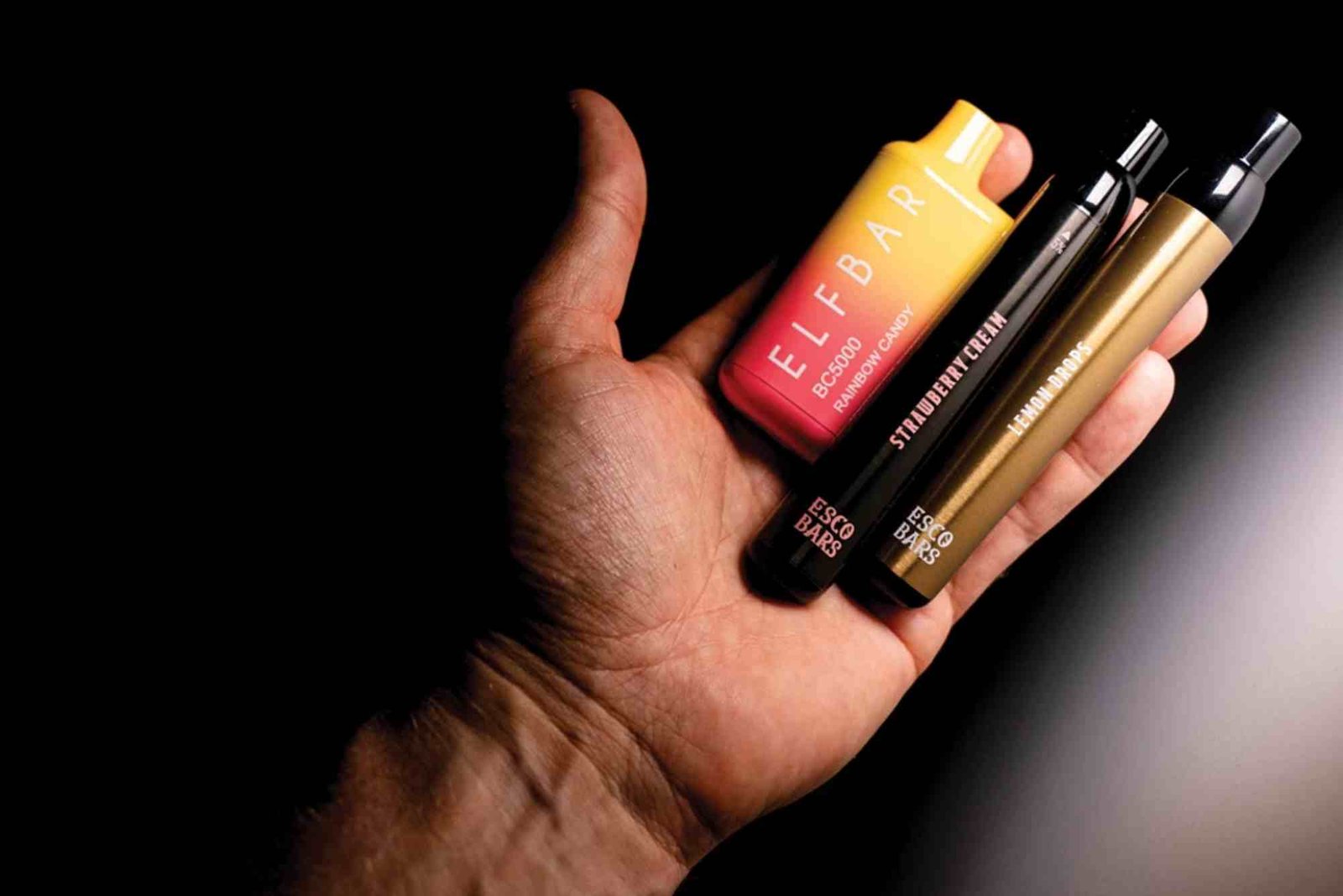
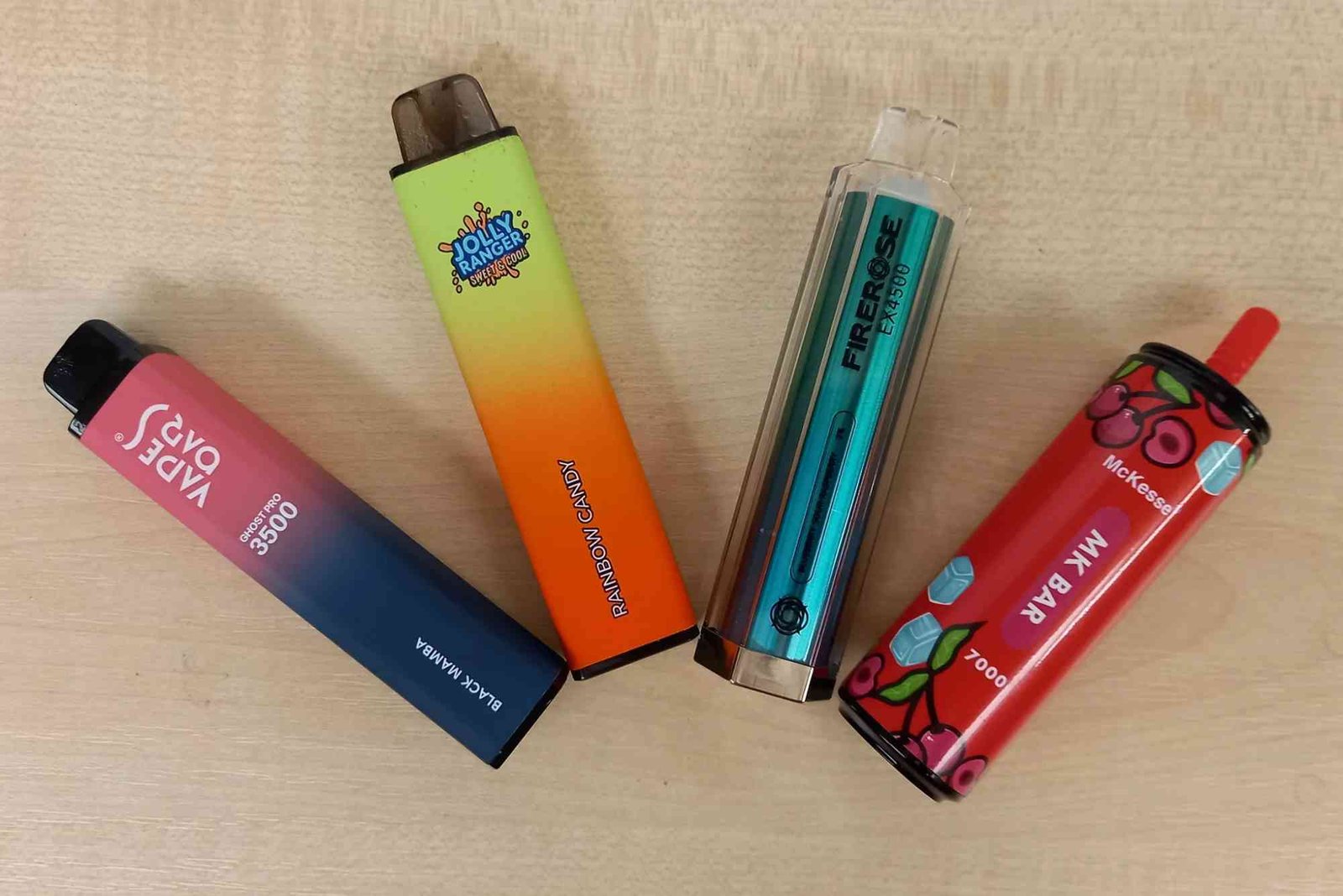
By 2020, Massachusetts had outlawed the sale of flavored nicotine e-liquids and imposed stricter licensing requirements on vape retailers. Over time, these restrictions evolved into one of the strictest anti-vaping environments in the nation. As of 2025, flavored vapes remain prohibited, and enforcement measures continue to be expanded. Supporters of the ban argue it protects young people from nicotine addiction. Critics, however, believe making vaping illegal in Massachusetts fuels black-market sales and increases health risks.
How Vaping Illegal in Massachusetts Impacts Public Health in 2025
Decline in Teen Vaping Rates
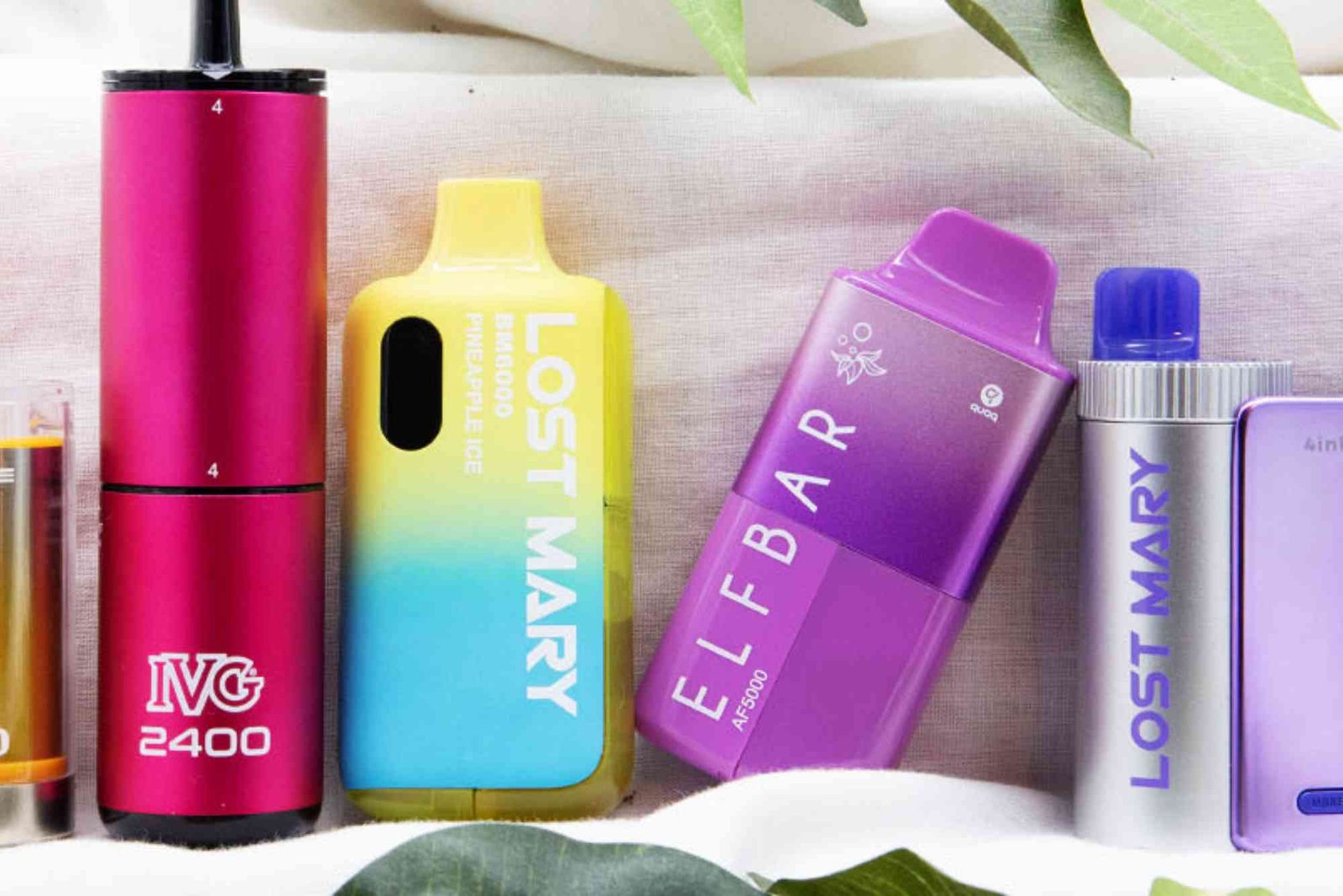
One of the main justifications for the ban was the rise of teen vaping. By 2019, e-cigarettes had surpassed cigarettes as the most popular nicotine product among teenagers. In 2025, data shows a noticeable decline in youth vaping rates in Massachusetts compared to the national average. The absence of flavored vapes, often seen as appealing to younger audiences, is considered a key reason for this trend.
Growth of Black Market Products
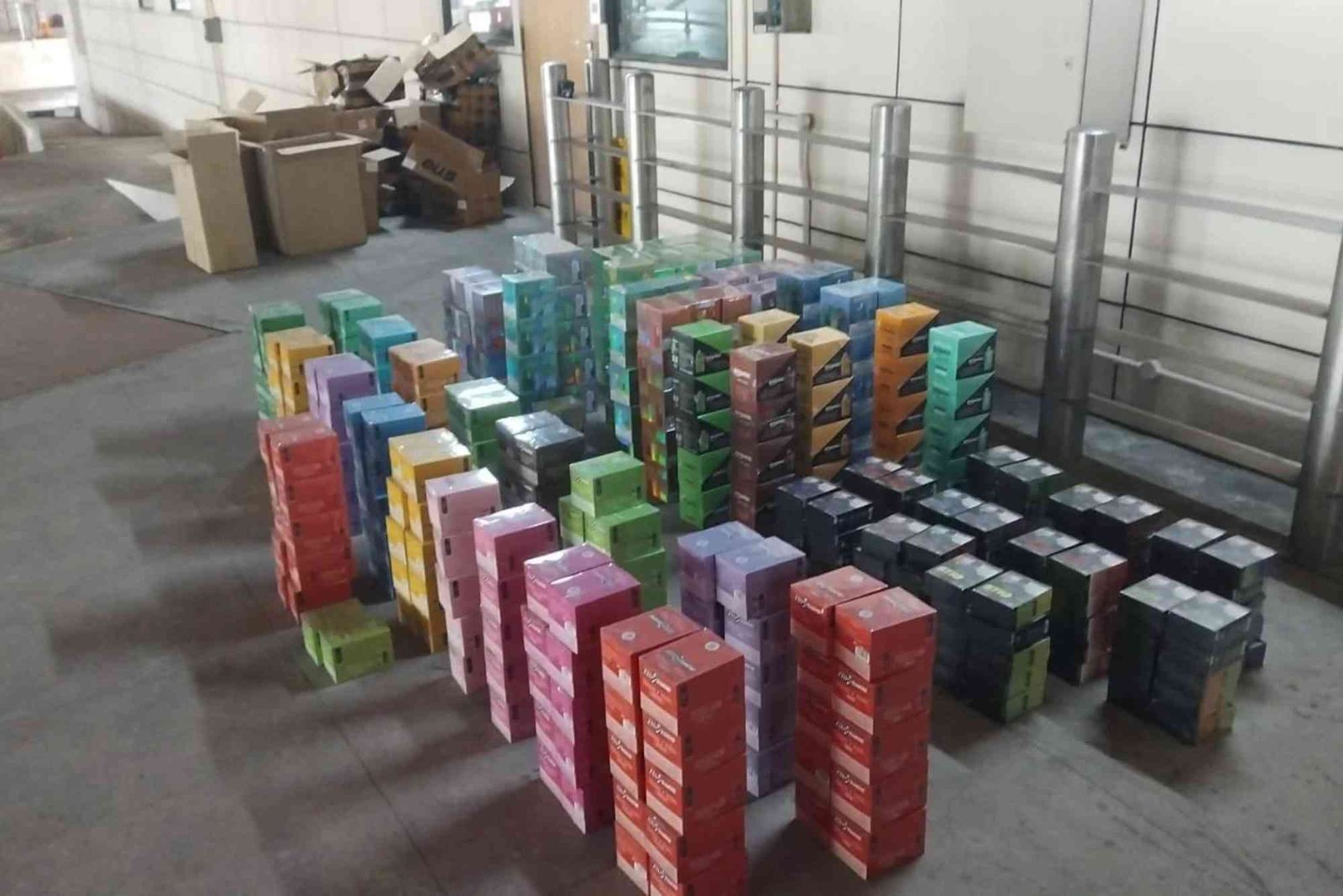
While fewer teens may be vaping, the black market has expanded significantly. Many adults who previously used flavored e-cigarettes to quit smoking now turn to unregulated sellers. These products often bypass safety standards, creating greater risks of contamination, mislabeling, and unknown chemical exposure. Ironically, this has led to health concerns similar to the original 2019 vaping illness outbreak.
Smoking vs. Vaping Transition
A major debate around the vaping ban is its effect on smoking rates. Public health experts argue that vaping can be a harm-reduction tool for adult smokers. By making vaping illegal in Massachusetts, many smokers face fewer alternatives to transition away from cigarettes. Some studies in 2025 show a slight increase in traditional smoking rates in the state, compared to others with regulated but legal vaping markets.

Healthcare Costs and Awareness
The Massachusetts ban has also shifted healthcare discussions. Clinics report fewer cases of flavored vape use among youth, but more cases of respiratory issues linked to counterfeit vaping products. Doctors emphasize the need for better education, reminding patients that illegally sourced vapes are often more dangerous than regulated ones.
The Social Impact of Vaping Being Illegal in Massachusetts
Changing Attitudes Toward Nicotine Use
In 2025, the perception of vaping in Massachusetts is different from other states. Because of the ongoing ban, many residents associate vaping with something dangerous, underground, or rebellious. Young people may see it as a forbidden act rather than a normalized behavior.
Economic Effects on Vape Shops
Local vape businesses have been some of the hardest hit. Many shops closed after 2019, and those that survived either shifted to selling smoking cessation products or left the state entirely. Meanwhile, convenience stores lost significant revenue once flavored vapes were pulled from shelves.
Law Enforcement and Regulation Challenges
Making vaping illegal in Massachusetts has forced law enforcement to monitor both online sales and cross-border purchases. Many residents travel to neighboring states, such as New Hampshire or Rhode Island, to buy vaping products. This has created a “tobacco tourism” effect, undermining some of the goals of the ban.
How Vaping Health Differs in Massachusetts Compared to Other States
In states where vaping remains legal but regulated, such as California or Florida, health officials can monitor products more closely. Licensed retailers are required to follow safety standards, which helps reduce the risks associated with black-market goods.
In contrast, Massachusetts has unintentionally shifted consumers toward unregulated products. Public health experts worry this could lead to another surge in lung injuries if enforcement cannot keep up. The lesson here is clear: making vaping illegal in Massachusetts may reduce youth vaping, but it also raises new health challenges for adult users.
The Role of Technology and Alternatives in 2025
Nicotine Pouches and Non-Vape Alternatives
With vaping illegal in Massachusetts, many residents have turned to alternatives like nicotine pouches, gums, and lozenges. These products are marketed as safer, smoke-free options that bypass the stigma of vaping.
Heated Tobacco Products
Heated tobacco devices, which warm tobacco instead of burning it, are another option gaining popularity. Although still controversial, they are legal in Massachusetts and often marketed as harm-reduction tools for adult smokers.
The Future of Regulation
Looking ahead, Massachusetts may revisit its laws in light of new technologies. Policymakers face the challenge of balancing youth protection with adult harm reduction. If safer, FDA-approved vaping products emerge, pressure may grow to reconsider the blanket bans.
Common Misconceptions About Vaping Illegal in Massachusetts
Many residents believe that vaping itself is fully banned, but the reality is more nuanced. The law primarily targets flavored e-cigarettes and restricts sales. Adults can still purchase tobacco-flavored e-liquids legally, though the availability is limited.
Another misconception is that Massachusetts residents are protected from vaping-related harm. In truth, the black market thrives, and health risks remain—sometimes greater than before.
FAQs
Why is vaping illegal in Massachusetts?
Vaping is restricted in Massachusetts mainly due to concerns about youth nicotine addiction and past outbreaks of vaping-related lung injuries.
Can you buy vaping products in Massachusetts in 2025?
Yes, but only limited products like tobacco-flavored e-liquids are available legally. Flavored vapes remain banned, leading many to buy from unregulated sources.
What happens if you get caught with flavored vapes in Massachusetts?
Possession is generally not criminalized, but selling or distributing banned vapes can result in heavy fines and legal penalties.
Has the vaping ban improved public health in Massachusetts?
It has reduced teen vaping rates, but it has also increased reliance on black-market products, which may carry greater health risks.
Do people still vape in Massachusetts despite the ban?
Yes, many residents still vape, but a significant portion rely on illegal or out-of-state sources to access flavored products.