
Introduction
Japan is known for its rich traditions, futuristic cities, and strict regulations. For vape users, the country presents a unique environment where culture meets compliance. If you are planning to travel to Japan or live there with a vape device, it’s essential to understand vape laws in Japan while also ensuring that your device remains safe. Unlike in many Western countries, vaping regulations in Japan are tightly connected to the nation’s pharmaceutical and tobacco frameworks. At the same time, the safety of your vape battery is equally important since misuse can lead to overheating, accidents, or even legal complications if authorities find unsafe devices.
In this article, we’ll explore how Japan regulates vaping, what you need to know before bringing a vape device into the country, and practical battery safety tips to keep your experience safe and compliant.
Understanding Vape Laws in Japan
Japan’s legal landscape for vaping is not as straightforward as one might expect. While vaping itself is not illegal, the substances you vape and the way they are regulated matter.
The Legal Status of Nicotine Liquids
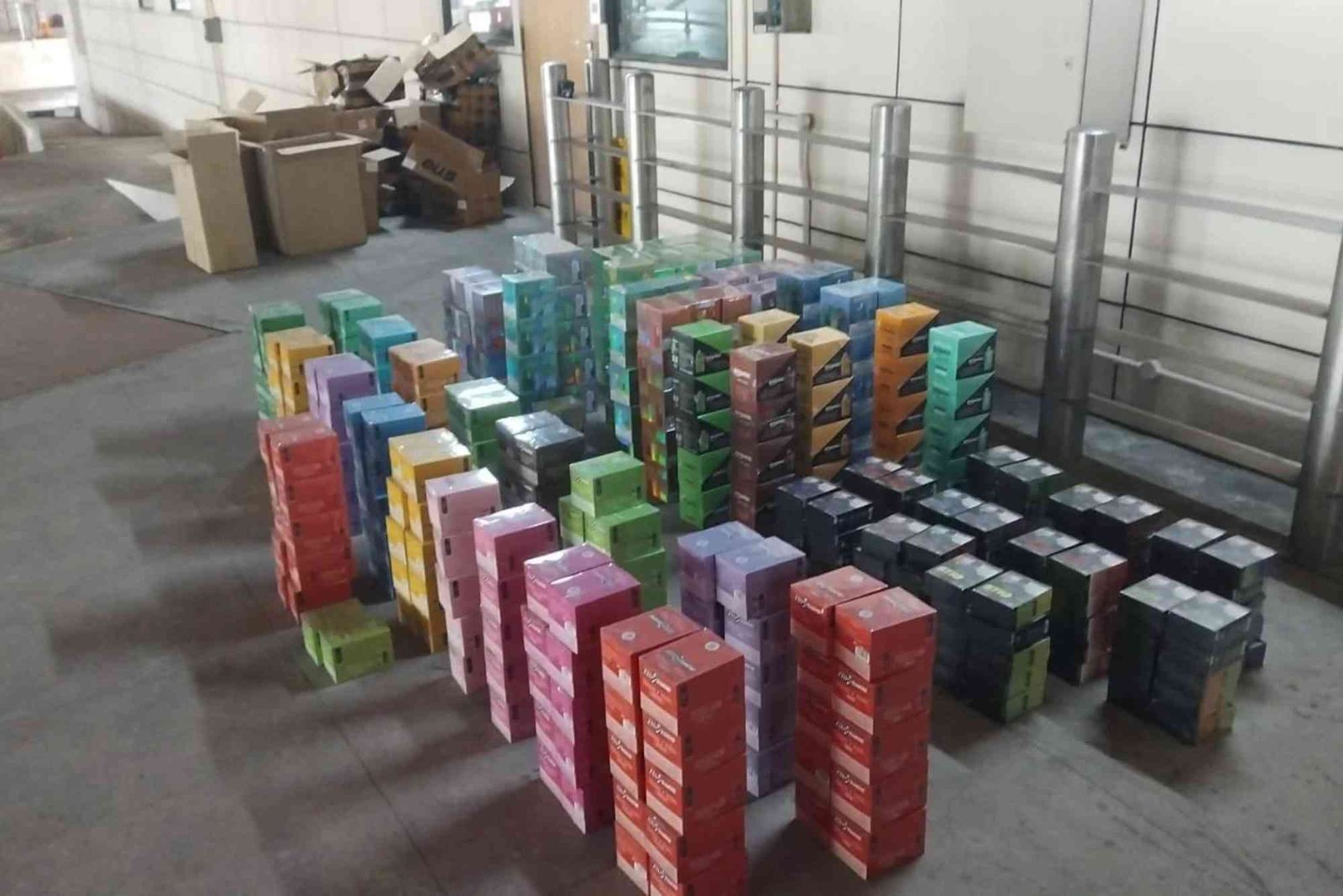
Nicotine-containing e-liquids fall under Japan’s Pharmaceutical Affairs Law. This means that selling nicotine vape juice inside the country is prohibited unless it has been approved as a medical product. However, individuals are permitted to import small amounts of nicotine liquid for personal use. Typically, the allowance is up to one month’s supply. Travelers and residents often bring nicotine e-liquids from abroad, but exceeding the limit could result in confiscation or penalties.
Non-Nicotine Liquids and Devices
Non-nicotine vape juices are freely available in Japan and can be purchased without restrictions. Vape hardware such as mods, tanks, and coils are also legal to buy and use. Shops specializing in these products operate in major cities like Tokyo and Osaka, often attracting both locals and tourists. The key difference is that nicotine is strictly regulated while the devices themselves are not.
Heated Tobacco vs. Vaping
Japan has embraced heated tobacco products, with brands like IQOS enjoying mainstream popularity. This has created some confusion since heated tobacco devices are widely marketed while traditional vaping remains more niche. Authorities treat vaping differently, reinforcing the need to understand the laws before traveling.

Age Restrictions and Public Use
Just like cigarettes, vaping is restricted to individuals over the age of 20, aligning with Japan’s legal age for tobacco and alcohol consumption. Public vaping is technically allowed but culturally discouraged in crowded areas. Designated smoking areas, often found near train stations and public spaces, are the most appropriate spots for vaping.
Why Knowing the Laws Matters
Failing to understand vape laws in Japan can lead to unexpected challenges. Imagine being stopped by customs officers who discover more nicotine liquid than allowed. Or worse, using your vape openly in areas where locals view it as inappropriate. Staying informed ensures you enjoy your time in Japan without unnecessary stress.
Moreover, when carrying a vape device, authorities may also inspect the condition of your battery. A damaged or unsafe-looking battery might raise questions at airport security. This brings us to the equally critical issue of vape battery safety.
Vape Device Battery Safety: Essential Tips
Your vape device is only as safe as the battery inside it. In recent years, incidents involving overheating or explosions have highlighted the importance of proper care. When traveling in a country like Japan, where safety and regulations are taken seriously, following good battery practices is not just about personal protection—it’s about compliance.
Choosing the Right Battery
Always use batteries recommended by your device manufacturer. Counterfeit or low-quality batteries may save money upfront but come with higher risks of malfunction. Authentic batteries are designed to handle the power output required by vape devices, reducing the likelihood of accidents.
Inspecting for Damage
Before traveling, inspect your battery for dents, tears, or corrosion. A battery with visible damage is unsafe and could be flagged by airport security. Even small tears in the protective wrap can expose the cell, increasing the risk of short-circuiting.
Proper Charging Habits
Charging your vape battery correctly is crucial. Use the charger that comes with your device or one certified by the manufacturer. Avoid overnight charging, as leaving a battery unattended for long periods increases the risk of overheating. Charging on non-flammable surfaces and unplugging once fully charged are simple habits that extend battery life and reduce hazards.
Storing Your Batteries Safely
When carrying spare batteries, use protective cases rather than letting them roll loose in your bag. Metal objects like keys or coins can trigger dangerous short circuits if they come into contact with the exposed terminals. In Japan, where orderliness and safety are valued, being cautious with your storage shows both responsibility and respect.
Traveling with Vape Batteries
Airlines have strict rules regarding lithium-ion batteries. Typically, batteries must be carried in hand luggage rather than checked baggage. This is because cabin crew can respond more quickly in case of a problem. When flying to or within Japan, keep your batteries in a carry case and follow airline guidelines. Security officers may ask questions, so having your gear neatly packed helps.
Balancing Compliance with Safety
Understanding vape laws in Japan goes hand in hand with taking care of your device. Even if you bring legal amounts of nicotine liquid, an unsafe battery could spoil your trip. Japanese authorities are thorough and expect travelers to respect both written laws and unwritten cultural norms. By being cautious with your vape device, you demonstrate awareness and responsibility.
Cultural Etiquette and Vaping in Japan
Beyond laws and safety, Vape Laws Japan there’s also etiquette. Japanese culture values harmony and consideration for others. Vaping on a crowded street or inside public transport is frowned upon. Instead, look for designated smoking areas where both cigarette and vape users gather. Respecting these spaces not only keeps you compliant but also avoids unwanted attention.
Some vape users in Japan prefer stealth devices—small, discreet vapes that produce less vapor. This minimizes disturbance to others and blends better with local customs. Being mindful of etiquette ensures that your vaping experience remains smooth and respectful.
Frequently Asked Questions
Can I bring my vape device to Japan?
Yes, you can bring your vape device. Nicotine e-liquids are allowed only for personal use and within import limits.
Is vaping legal in public places in Japan?
Vaping in public is not illegal, but it is discouraged in crowded areas. Use designated smoking zones instead.
Can I buy nicotine vape juice in Japan?
No, nicotine liquids are not sold in Japan. You can only import a limited personal supply.
Are there age restrictions for vaping in Japan?
Yes, you must be at least 20 years old to purchase or use vape products, in line with the legal smoking age.
What happens if I carry too much nicotine liquid?
Exceeding the import limit may result in confiscation at customs and potential legal consequences.
Japan offers a fascinating mix of tradition and modernity, and vaping is no exception to this balance. Understanding vape laws in Japan ensures you stay compliant while enjoying your device responsibly. At the same time, practicing proper battery safety is essential for both your personal protection and smooth travels.