
Introduction
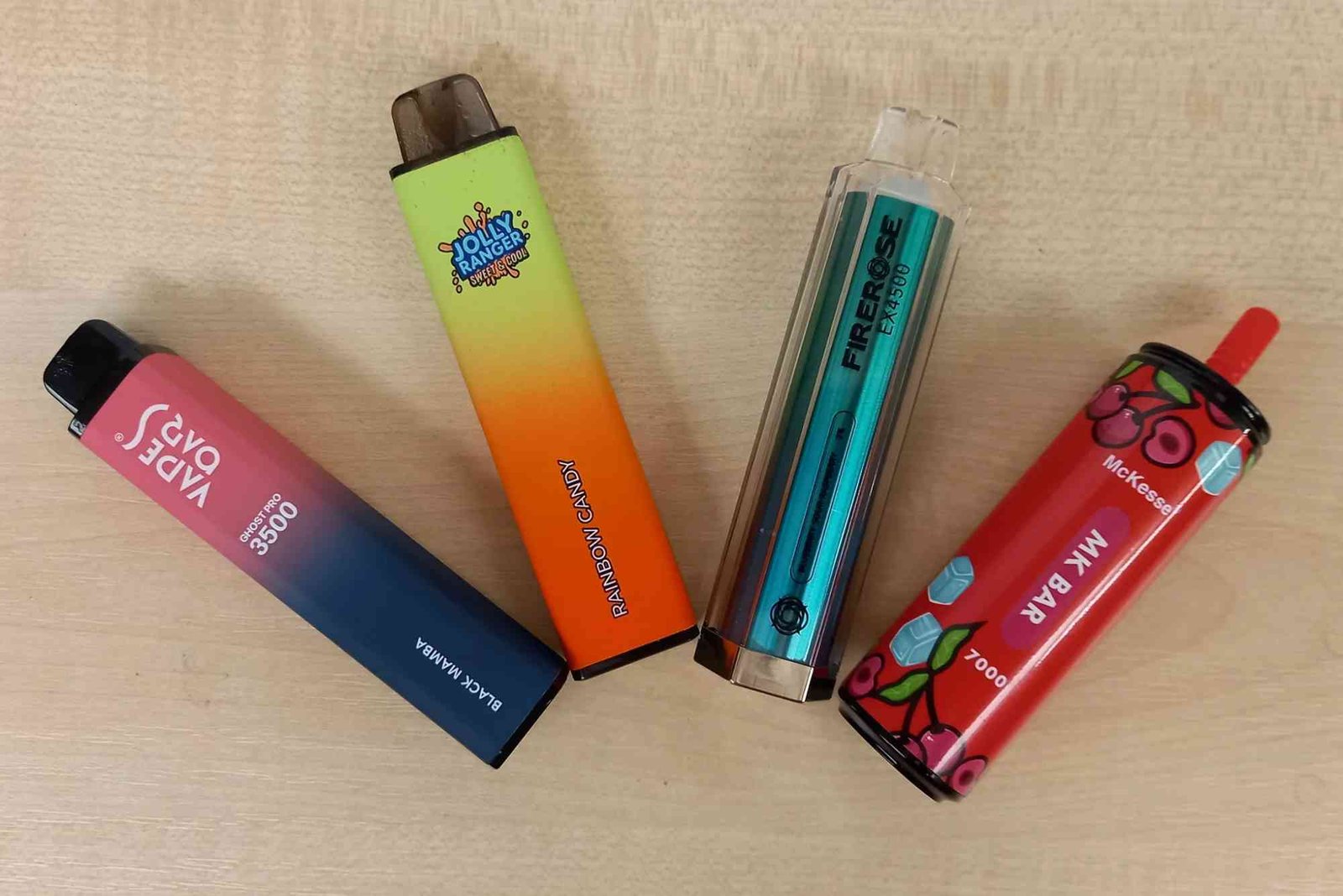
Over the past decade, vaping has rapidly grown in popularity. From nicotine e-liquids to cannabis oils, millions of people use vape devices daily. One of the most common questions asked today is, is vaping THC illegal? The answer isn’t straightforward, as laws vary widely depending on where you live. While some regions allow the use of cannabis products, others impose strict penalties for possession or consumption.
At the same time, beyond legality, another overlooked but critical topic is vape device safety. Even legal users face risks if they do not handle batteries correctly. Reports of overheating, explosions, and fires linked to vape batteries serve as reminders that safety should never be taken for granted.
This article will explore whether vaping THC is legal or not, explain why the law differs across countries and states, and provide practical vape battery safety tips to keep your device reliable and secure.
Is Vaping THC Illegal? Understanding the Legal Landscape
The legality of vaping THC, the psychoactive compound in cannabis, is complex. Unlike nicotine vaping, which is broadly legal in many regions, THC vaping depends heavily on local cannabis regulations.
In the United States, federal law still classifies cannabis, and therefore THC, as a controlled substance. This means that at a national level, possession and use remain technically illegal. However, many states have legalized cannabis for either medical or recreational use, creating a patchwork of different laws. For instance, in one state, you might walk into a dispensary and buy a THC vape cartridge legally, while in another state, the same act could lead to criminal charges.
Globally, the rules differ just as much. Countries such as Canada and Uruguay have legalized recreational cannabis, making THC vaping legal within specific guidelines. On the other hand, many European, Asian, and Middle Eastern nations continue to enforce strict bans on THC in any form, including vaping.

So, is vaping THC illegal? The only accurate answer is: it depends on where you are. Always check local laws before purchasing or using THC vape products, as ignorance of the law is rarely accepted as an excuse.
Why Legal Status Matters Beyond Enforcement
Legality isn’t just about avoiding fines or jail time. It also impacts the quality and safety of the products available. In regions where cannabis is regulated, THC vape cartridges often undergo testing for contaminants, potency, and purity. Licensed dispensaries are required to meet strict standards, which protect consumers from harmful additives.
In contrast, in areas where THC remains illegal, products often circulate on the black market. These unregulated items may contain dangerous cutting agents, pesticides, or even heavy metals. The 2019 outbreak of lung injuries in the United States, linked to vitamin E acetate in illicit THC vape cartridges, illustrates the dangers of unregulated supply chains.
Therefore, the question “is vaping THC illegal” has more than legal consequences. It also determines whether your access to THC vape products is safe or risky.
Health Considerations of THC Vaping
Even in legal environments, health experts remain cautious about THC vaping. While many consumers see vaping as a healthier alternative to smoking, research shows that inhaling THC oils carries its own risks.
Some studies suggest that vaping THC may cause irritation in the lungs, increase heart rate, and impair coordination. Long-term effects are still under investigation, but regular use may impact memory, focus, and mental health. Furthermore, vaping high-potency concentrates can deliver stronger psychoactive effects than traditional cannabis, which increases the risk of anxiety or paranoia for some individuals.
Thus, while legality answers one part of the question, personal health should also weigh heavily in your decision.
Your Vape Device: Battery Safety Tips Inside
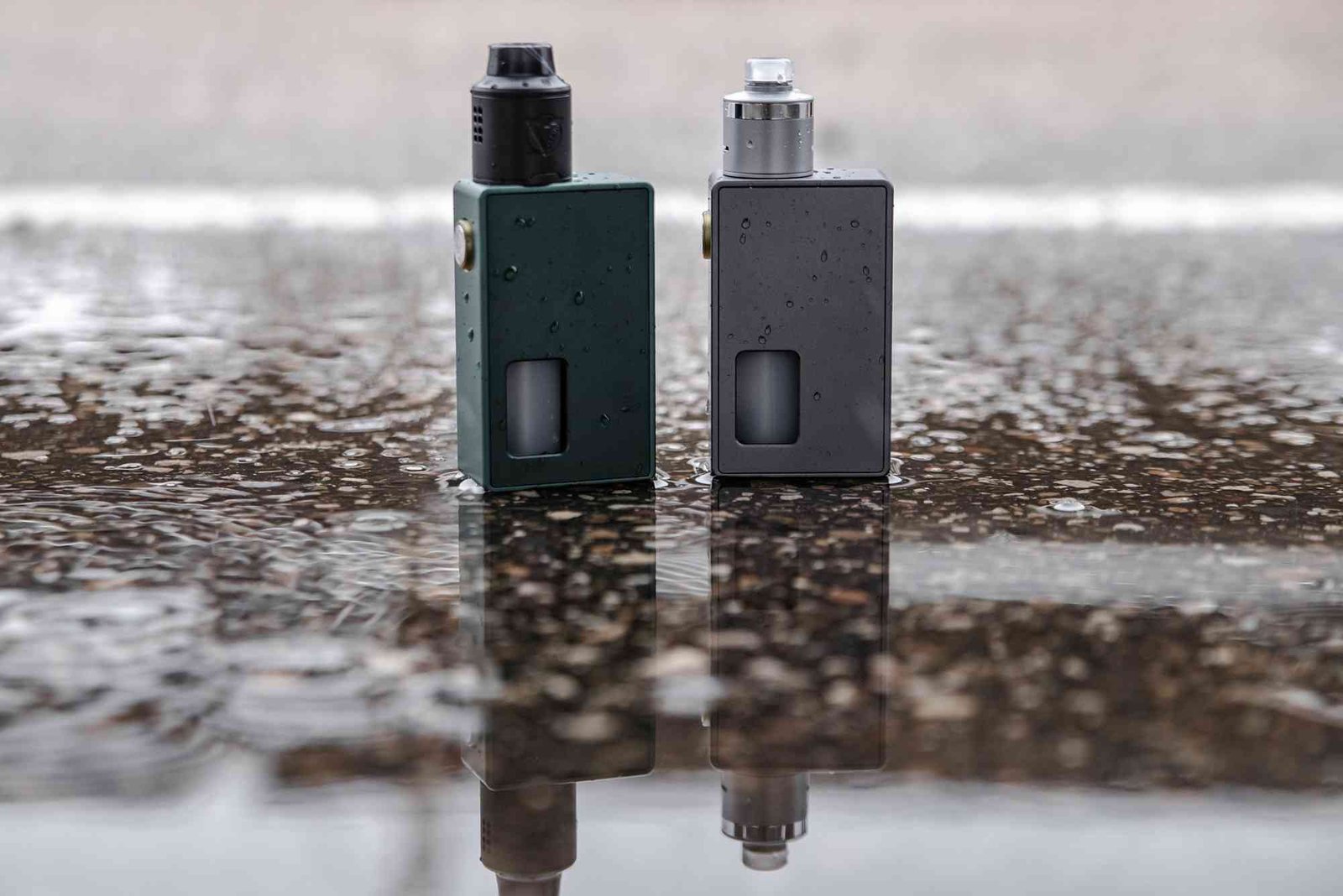
Beyond THC itself, the safety of your vape device depends largely on the battery it uses. Vape devices typically rely on rechargeable lithium-ion batteries, which are powerful but sensitive to mishandling. Reports of accidents involving vape batteries are rare but often severe, leading to burns or property damage.
To reduce risks, consider a few important battery safety guidelines.
Choose the Right Battery and Charger
One of the most common mistakes users make is using the wrong type of battery or a poor-quality charger. Always use the battery recommended by the manufacturer of your vape device. Mismatched batteries may not deliver the right voltage, which increases the chance of overheating. Equally important is the charger. Counterfeit or low-quality chargers often fail to regulate current properly, which can damage the battery over time or cause dangerous surges.
Avoid Overcharging and Extreme Temperatures
Lithium-ion batteries are designed to operate within a specific temperature range. Leaving your vape plugged in overnight or charging it under direct sunlight places stress on the battery. Overcharging may not always lead to immediate failure, but repeated stress weakens the internal cells, making them more likely to fail later. Similarly, avoid exposing your vape device to very cold or very hot environments, such as leaving it in a car on a summer day.
Inspect for Damage
A swollen, cracked, or leaking battery is a clear warning sign. Continuing to use a damaged battery increases the risk of a fire. If you notice any unusual changes, stop using the device immediately and replace the battery with a new one. Disposing of old batteries properly is also essential—never throw them in regular trash where they could ignite.
Safe Storage Practices
When carrying spare batteries, always keep them in a protective case. Allowing loose batteries to touch metal objects like coins or keys can cause them to short-circuit. This risk is often overlooked, yet it is one of the most common causes of accidental fires related to vape devices.
Balancing Legality and Safety in THC Vaping
When discussing whether vaping THC is illegal, many people focus only on avoiding legal consequences. However, the bigger picture includes health, product safety, and responsible device use. Even in places where THC is legal, safety risks remain if users neglect the basics of battery care. A high-quality vape cartridge means little if your device fails due to poor maintenance.
The best approach is to stay informed and cautious. Know your local laws, choose regulated products when possible, and handle your vape device responsibly.
Frequently Asked Questions
Is vaping THC illegal everywhere?
No, it depends on your location. Some countries and states have legalized THC for medical or recreational use, while others still ban it entirely.
Can you travel with THC vape cartridges?
Traveling across borders with THC is often illegal, even if cannabis is legal at your destination. Always check the rules before flying or crossing state lines.
Are THC vapes safer than smoking cannabis?
While vaping avoids combustion, it is not risk-free. Inhaling concentrated THC oils can still irritate the lungs and cause long-term health effects.
Why do vape batteries explode?
Battery failures often occur due to misuse, such as using the wrong charger, exposing the device to heat, or carrying loose batteries without protection.
What should I do if my vape battery gets hot?
Stop using the device immediately, unplug it if charging, and allow it to cool in a safe place. Replace the battery if overheating persists.