
Introduction
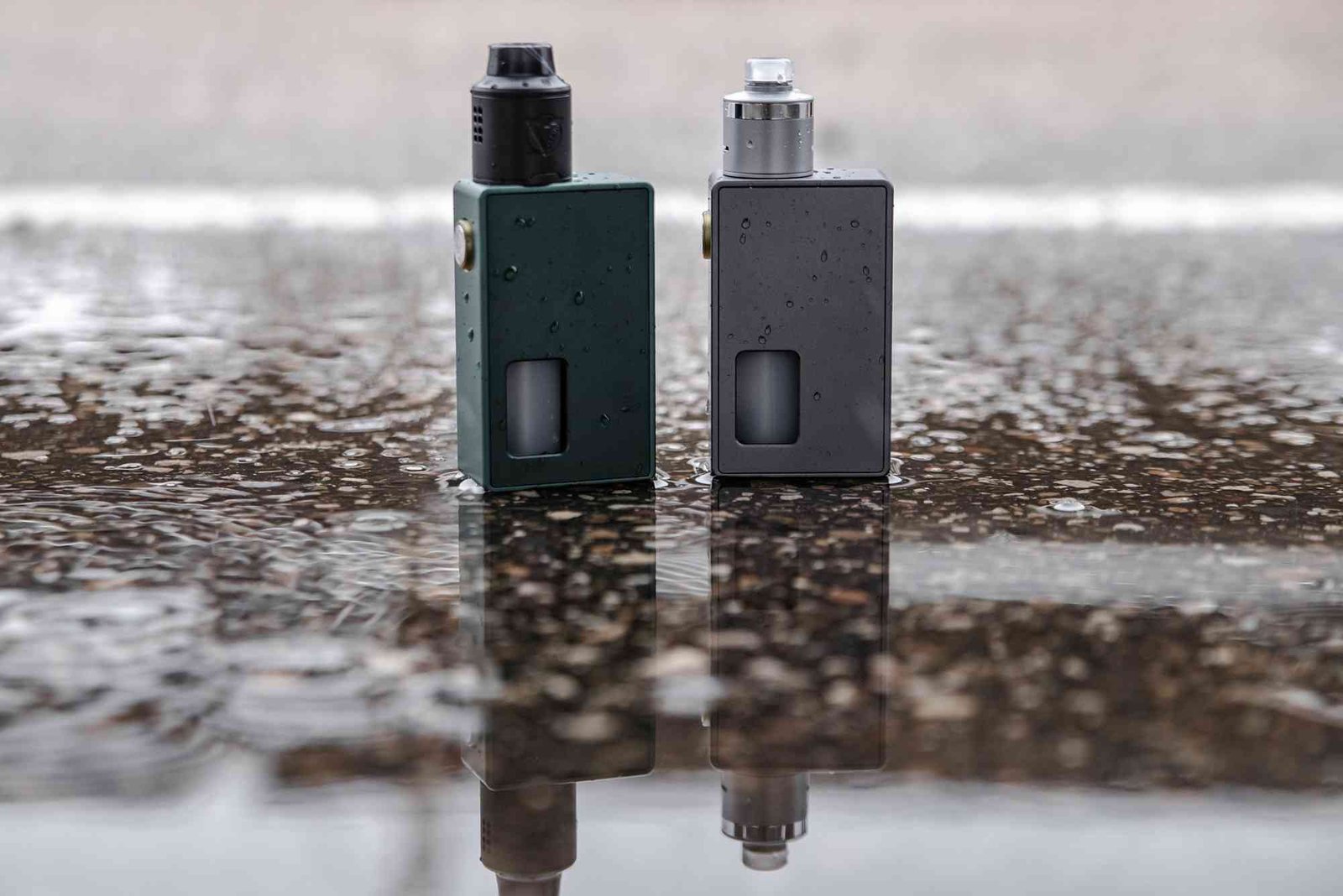
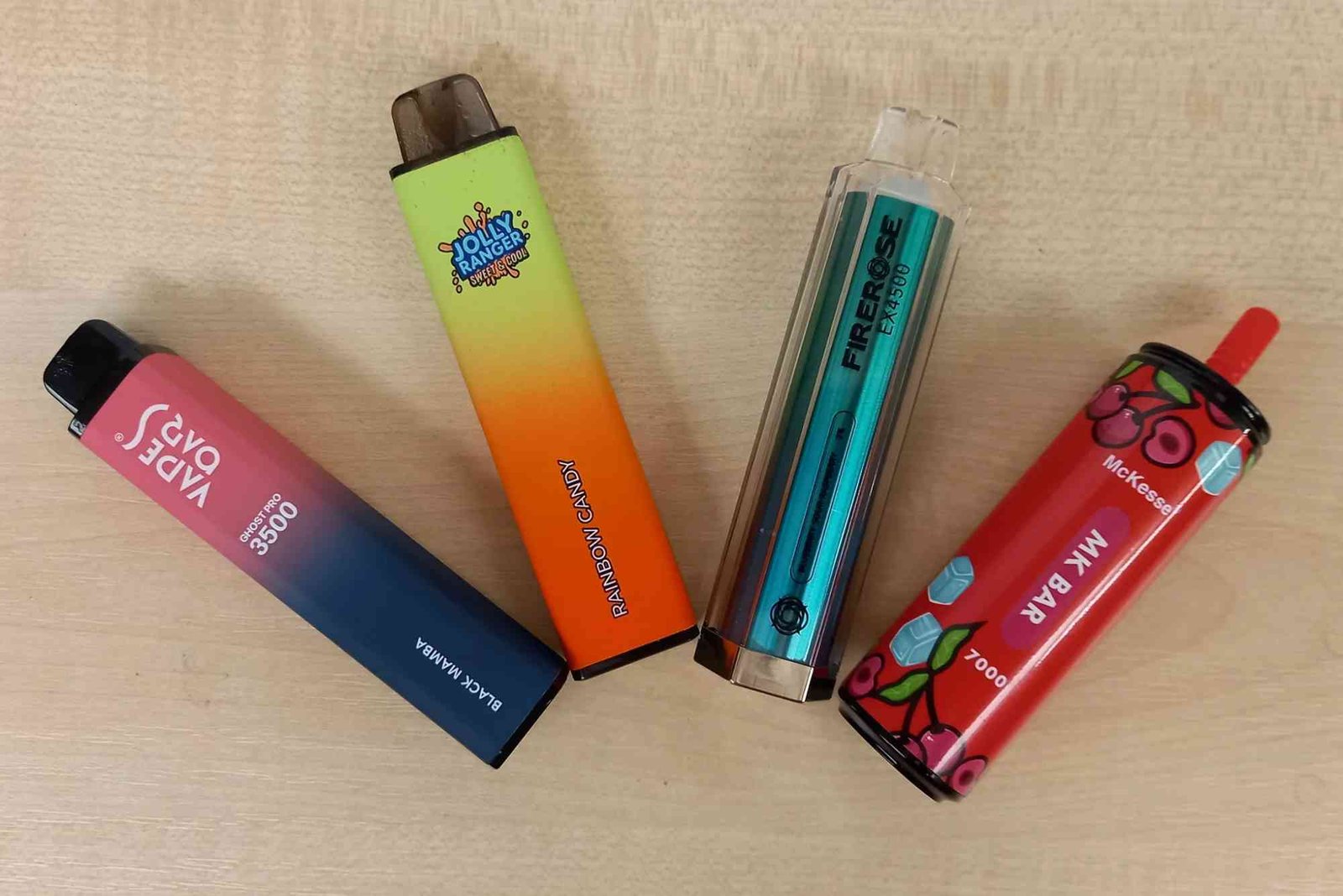
Vaping has become a common alternative to smoking, but laws around it differ from state to state. In Indiana, the rules can be confusing for new users who want to stay compliant. Understanding vape possession laws in Indiana is essential if you plan to carry or use your device legally. Alongside legal awareness, there is another side of vaping often overlooked—battery safety. Improper handling of vape batteries has led to accidents that could have been prevented with the right knowledge.
This article explains the key vape possession laws in Indiana, how they affect everyday users, and why safe battery practices are just as important. By the end, you will know what the law expects of you and how to keep your device running safely.
Vape Possession Laws in Indiana
Indiana regulates vaping under both tobacco control and electronic cigarette laws. The state considers most vape products similar to tobacco in how they are sold, advertised, and used in public. This means possession is not entirely unrestricted.
The most important rule concerns age. Indiana law prohibits anyone under 21 from purchasing, possessing, or using vape devices or e-liquids. This aligns with the federal Tobacco 21 law, which raised the minimum legal age nationwide. If you are under 21 and caught with a vape device, you could face fines or other penalties. For adults over 21, possession is legal but comes with restrictions on where and how vaping is allowed.
Another key point relates to schools and government property. It is illegal to carry or use vape devices inside school grounds, public buildings, and certain workplaces. Many counties in Indiana extend these rules with local ordinances, so even if the state does not prohibit use in a particular area, your city might. That is why staying updated with local guidelines is important if you move around frequently.
Retail rules also impact possession indirectly. Indiana requires vape products to be sold only by licensed retailers, and the packaging must include safety warnings. Devices and e-liquids that do not comply with these requirements can be considered illegal. So, if you purchase products online or from unregulated sources, you may unknowingly violate state laws.

Enforcement focuses mostly on underage possession and unlicensed sales, but police do have the authority to issue citations if you ignore restrictions in public spaces. Understanding these laws helps you avoid unnecessary trouble while using your vape responsibly.
Why Understanding the Law Matters
Many users think possession is harmless as long as they vape privately. However, misunderstandings often lead to legal issues. For example, a college student carrying a vape on campus may not realize the campus has strict rules, even if they are over 21. Similarly, some believe vaping in public parks is allowed, but local ordinances often treat it the same as smoking.
Being aware of vape possession laws in Indiana is not about limiting your freedom—it is about protecting it. If you know the rules, you can enjoy vaping without fines or embarrassment. Just as importantly, understanding the law keeps the vaping community in good standing with lawmakers, which may prevent harsher restrictions in the future.
The Overlooked Side of Vaping: Battery Safety
While legal rules protect communities, battery safety protects you directly. Every vape device runs on a rechargeable battery, usually lithium-ion. These batteries are powerful but sensitive to misuse. Fires and explosions linked to vape devices are rare, but when they happen, they almost always come from mishandled batteries.
Learning how to treat your vape battery properly is just as important as knowing the law. A single mistake—like carrying a loose battery in your pocket—can cause serious burns. That is why safe habits matter.
Proper Charging Practices
Charging is where most users go wrong. It is tempting to use any USB cable or wall adapter you find, but this is not safe. Your vape device is designed to work with a specific type of charger. Using the wrong one may overheat the battery or shorten its lifespan.
Always use the charger provided by the manufacturer or one recommended for your device. Never leave your vape charging unattended, especially overnight. Even high-quality batteries can overheat if left on the charger too long. A safe habit is to unplug your device once it reaches full charge.
Another tip is to avoid charging your vape in extreme temperatures. Heat accelerates chemical reactions in batteries, while cold reduces performance. Sticking to room temperature protects your device and ensures consistent performance.
Safe Handling and Storage
How you carry and store your vape matters more than most people think. A common mistake is putting spare batteries in a pocket or bag without protection. Coins, keys, or other metal objects can touch the battery terminals and cause a dangerous short circuit. This can quickly lead to overheating and, in the worst case, fire.
If you carry spare batteries, always use a protective case designed for them. These inexpensive cases prevent accidental contact and are easy to carry. When not in use, store batteries in a cool, dry place away from direct sunlight.
Never use a battery with visible damage. If the wrapping is torn or the cell looks dented, replace it immediately. Continuing to use a damaged battery puts you at unnecessary risk.
Recognizing Warning Signs
Batteries often show warning signs before failing. If your device becomes unusually hot during use or charging, stop immediately. Swelling, leaking, or a strange chemical smell are also clear signs of trouble. Ignoring these signals may turn a small issue into a major hazard.
Replace old batteries after several months of regular use. Over time, batteries lose their ability to hold charge safely. If you notice your vape dying quicker than usual or requiring constant charging, it may be time for a replacement.
Legal and Safety Awareness Go Hand in Hand
Many people think of vape possession laws in Indiana and battery safety as two separate issues. In reality, they both come down to responsibility. Laws exist to keep vaping regulated in public spaces, Vape Possession Laws Indiana while safety guidelines protect your health and property. Following both means you get the benefits of vaping without unnecessary risks.
A responsible user respects age restrictions, avoids vaping where it is not allowed, and treats their device carefully. This not only prevents legal problems but also reduces the chance of accidents that could harm you or others.
Frequently Asked Questions
Can you vape under 21 in Indiana?
No. Indiana law prohibits anyone under 21 from purchasing or possessing vape products. Violations can lead to fines or penalties.
Is it legal to vape in public places in Indiana?
It depends on the location. Many public spaces, such as schools, government buildings, and workplaces, ban vaping. Local ordinances may add more restrictions.
Can I buy vape products online in Indiana?
Yes, but they must come from licensed sellers who follow Indiana’s packaging and labeling requirements. Buying from unregulated sources may be illegal.
What happens if my vape battery explodes?
Battery explosions are rare but serious. If it happens, seek medical help immediately for any injuries and safely dispose of the damaged device.
How long do vape batteries last?
Most lithium-ion vape batteries last several months with regular use. If your device charges poorly or loses power quickly, it is time for a replacement.
Vaping in Indiana requires awareness of both the law and your own safety. Vape possession laws in Indiana make it clear that only adults over 21 can legally own or use vape devices, and restrictions apply in schools, workplaces, and many public areas. At the same time, your device’s battery demands proper care. Charging it correctly, storing it safely, and recognizing early warning signs protect you from avoidable accidents.