Introduction
Cannabidiol, better known as CBD, has become one of the most discussed wellness topics worldwide. In the UAE, conversations around CBD are growing, especially as residents search for safe, legal, and effective options to support their health. Yet, a common question arises: what is the difference between full-spectrum CBD and broad-spectrum CBD, and which one is right for users in the UAE? Understanding these two types is essential because their effects, legal considerations, and benefits can differ significantly. This guide explains full-spectrum CBD in UAE contexts, compares it with broad-spectrum CBD, and provides insights for those looking to make informed wellness choices.
What is Full-Spectrum CBD?
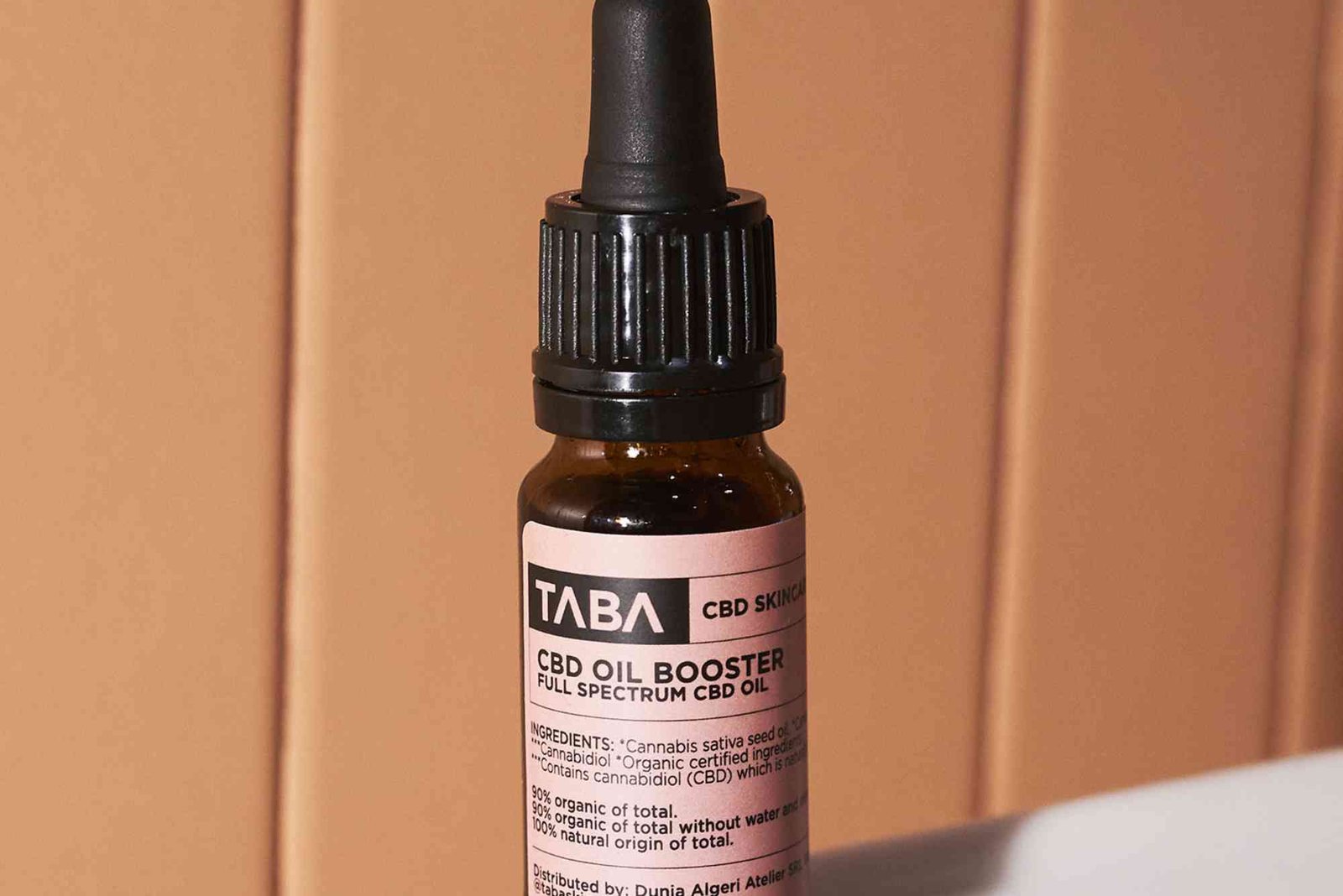
Full-spectrum CBD is an extract derived from the hemp plant that contains CBD alongside other naturally occurring compounds. These include minor cannabinoids, terpenes, flavonoids, and in some cases, trace levels of THC (tetrahydrocannabinol). The presence of multiple plant compounds is believed to create what researchers call the “entourage effect.” This theory suggests that cannabinoids and terpenes work better together, enhancing potential therapeutic benefits.
In practical terms, this means full-spectrum CBD could offer more holistic results, ranging from relaxation and stress relief to potential pain management. However, the inclusion of THC, even in very small amounts, makes it a subject of concern in strict regulatory regions like the UAE.
What is Broad-Spectrum CBD?
Broad-spectrum CBD also comes from the hemp plant but undergoes additional processing to remove THC completely. Despite this, it retains other cannabinoids and terpenes, allowing users to benefit from a partial entourage effect without exposure to THC. For UAE users, this can be significant because local laws strictly prohibit products that contain THC.
Broad-spectrum CBD is often marketed as a middle ground. It delivers many of the same plant compounds as full-spectrum extracts but avoids the legal and cultural risks associated with THC in regions with strict drug enforcement policies.
Full-Spectrum CBD vs Broad-Spectrum CBD: Key Differences for UAE Users
When comparing the two, several important distinctions arise, particularly for UAE residents.

One of the biggest differences lies in THC content. Full-spectrum CBD may contain up to 0.3% THC in markets like the US or Europe, which is considered non-psychoactive. But in the UAE, even trace THC can present risks. Broad-spectrum CBD eliminates this concern by removing THC while maintaining other beneficial compounds.
Effectiveness is another factor. Full-spectrum extracts may provide stronger wellness outcomes due to the entourage effect. For individuals seeking maximum therapeutic potential, this might sound appealing. However, in a region with strict compliance requirements, the risks may outweigh the benefits. Broad-spectrum CBD provides a safer alternative for those who want wellness support without uncertainty about legality.
Taste and product variety also differ. Full-spectrum products tend to have an earthy or robust flavor due to terpenes and plant compounds. Broad-spectrum products may taste slightly lighter but still deliver the essence of hemp. In the UAE, where availability of CBD products is limited, users might encounter broad-spectrum formulations more frequently because they align better with regulatory standards.
Why UAE Users Need to Understand the Difference
Laws in the UAE concerning cannabis and related compounds are among the strictest in the world. While CBD itself is sometimes available in controlled or imported wellness products, the presence of THC can lead to severe legal consequences. This is why understanding the difference between full-spectrum CBD and broad-spectrum CBD is not just a matter of wellness, but also of safety and compliance.
Travelers often face difficulties as well. Full Spectrum CBD Someone accustomed to using full-spectrum CBD oil in Europe or North America might unknowingly bring it into the UAE, only to face legal repercussions because the product contains trace THC. Awareness and careful selection are key.
Potential Benefits of Full-Spectrum CBD
Although not always suitable for UAE users, full-spectrum CBD has potential benefits that make it popular in other regions. Many users report deeper relaxation, improved sleep patterns, and more noticeable relief from discomfort compared to other forms of CBD. Athletes sometimes prefer it for recovery, while individuals experiencing chronic stress find it beneficial for calming the mind.
These effects are largely credited to the entourage effect, where cannabinoids such as CBG and CBC, along with terpenes like myrcene or limonene, interact synergistically with CBD. For UAE readers researching wellness, this highlights why full-spectrum CBD is often praised globally, even if its use locally requires extra caution.
Potential Benefits of Broad-Spectrum CBD
Broad-spectrum CBD provides many of the same advantages as full-spectrum extracts but without THC. Users often report stress reduction, improved focus, better sleep, and support for muscle recovery. Its THC-free nature makes it particularly appealing for wellness consumers in the UAE, where legal compliance is essential.
Since broad-spectrum CBD maintains other cannabinoids and terpenes, users can still experience a version of the entourage effect. For instance, CBN may contribute to sleep support, while CBG is linked to digestive health. Terpenes can add calming, energizing, or balancing effects depending on the strain.
Safety and Legality in the UAE
Safety is not just about how the product affects your body but also how it aligns with local law. In the UAE, possession of THC, even in small amounts, is prohibited. This makes full-spectrum CBD a complicated choice. While it might be effective, the presence of THC makes it legally risky.
Broad-spectrum CBD, being THC-free, is the more practical option for residents or travelers in the UAE. Still, anyone considering CBD products should research carefully, ensure they are sourced from reputable companies, and ideally consult a healthcare professional before use.
How to Choose Between Full-Spectrum and Broad-Spectrum in the UAE
For UAE users, the choice often comes down to safety and compliance. If you are living or traveling in the UAE, broad-spectrum CBD is generally the better option. It delivers many wellness benefits while avoiding THC, reducing both health and legal risks.
That said, always review product lab reports, also known as Certificates of Analysis (COAs). These documents confirm whether a CBD product is truly THC-free. In a region with strict regulations, this extra step can make a significant difference in peace of mind and safety.
FAQs
Is full-spectrum CBD legal in the UAE?
No, full-spectrum CBD is not considered legal in the UAE because it may contain trace amounts of THC, which is strictly prohibited.
Can you bring CBD oil to the UAE?
Travelers should avoid bringing CBD oil into the UAE. Even broad-spectrum products can cause issues if authorities suspect they contain THC. It is best to source any wellness products locally or from officially approved outlets.
Which is better for UAE users: full-spectrum or broad-spectrum CBD?
For UAE users, broad-spectrum CBD is safer. It provides many of the benefits of hemp without THC, reducing legal risks.
Does CBD show up in a drug test in the UAE?
Drug tests in the UAE are designed to detect THC, not CBD itself. Full-spectrum products containing THC could trigger a positive result.
What are the main benefits of broad-spectrum CBD for wellness?
Broad-spectrum CBD may help with stress management, relaxation, focus, and recovery, all without exposure to THC.
For UAE users, understanding the difference between full-spectrum and broad-spectrum CBD is more than academic—it is essential for both wellness and safety. Full-spectrum CBD may offer enhanced effects through the entourage effect, but its THC content makes it unsuitable in regions with strict laws like the UAE. Broad-spectrum CBD emerges as the smarter, safer choice, offering many wellness benefits without the risks.