
Introduction
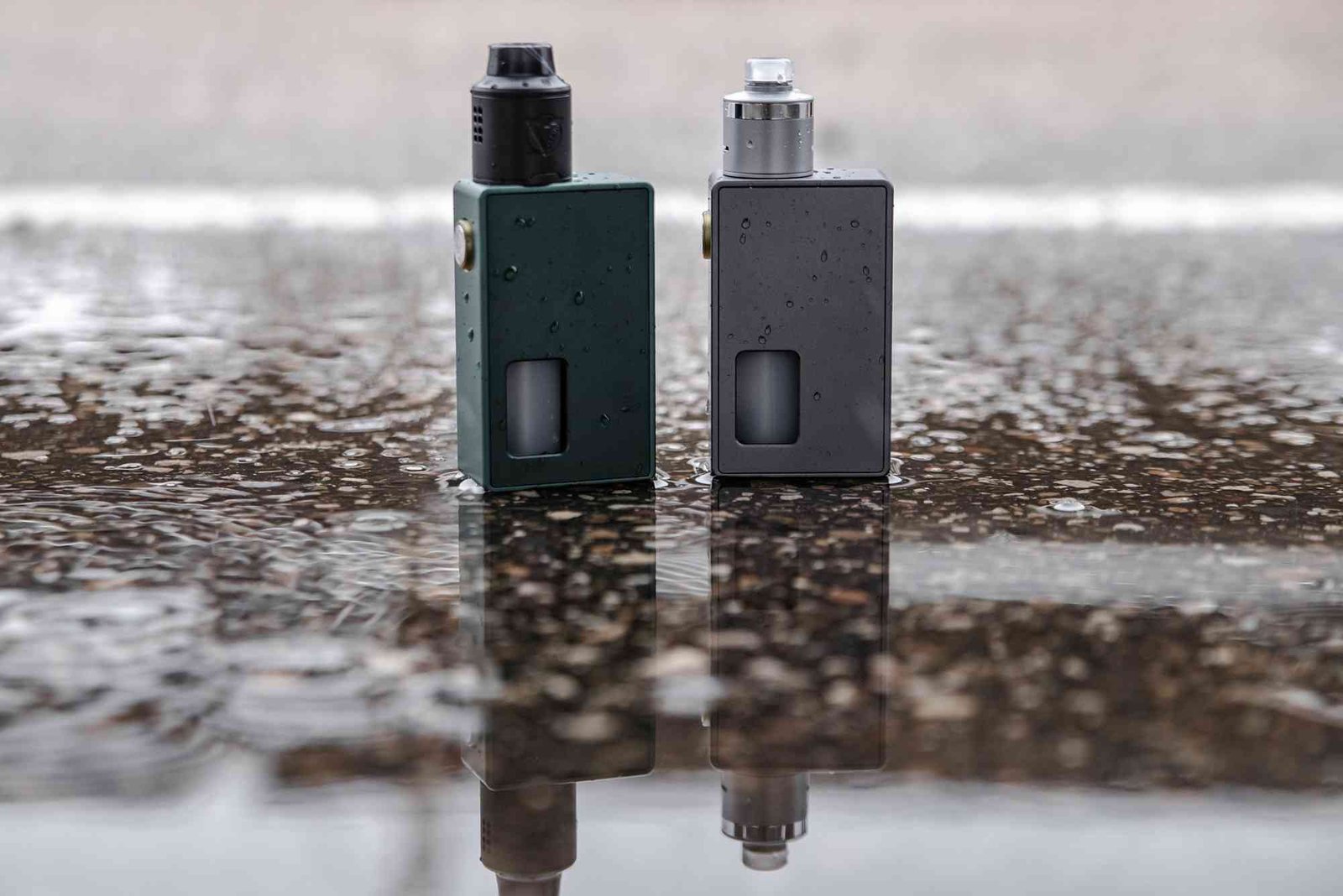
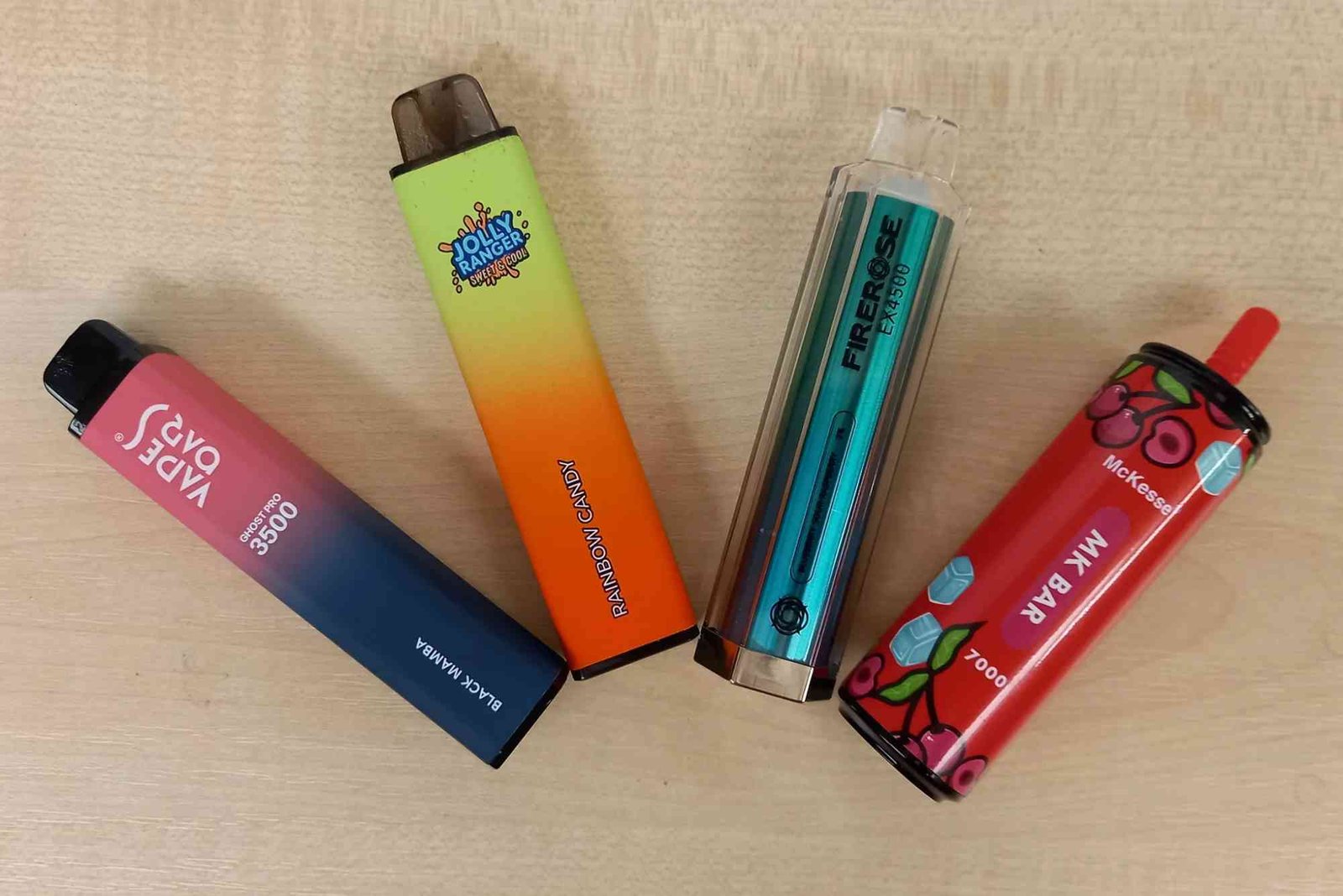
The conversation around smoking alternatives has grown louder in recent years, and terms like e cig banned are popping up in global discussions. While many governments are debating restrictions on electronic cigarettes, millions of people still rely on vape devices as a smoking substitute. With so much uncertainty about regulation, one aspect often overlooked is the importance of safety, especially when it comes to the batteries powering these devices. A vape device may seem small and simple, but inside it is a powerful lithium-ion cell. When misused, it can pose serious risks.
In this guide, we will explore what “e cig banned” really means, why regulations exist, and most importantly, how to practice proper battery safety. Understanding these details can protect you from accidents, extend the lifespan of your vape, and give you peace of mind.
Why Are E Cigs Banned in Some Places?
The phrase e cig banned has caused concern and confusion for users worldwide. In some countries, the ban is complete, covering both sales and usage. In others, regulations are partial, focusing only on advertising or flavors. The reasoning usually centers on public health, concerns over youth usage, and long-term safety data that is still under review.
For many governments, electronic cigarettes represent a gray area. They are not traditional tobacco products, yet they still deliver nicotine and involve inhalation. Officials argue that stricter measures reduce potential harm, while advocates believe bans may push users back toward combustible tobacco.
Regardless of the debate, one fact remains clear: people who already use vape devices need reliable information about safe handling, particularly of batteries. Whether or not an e cig banned law affects you, your safety depends on how you treat your device every single day.
Understanding Vape Batteries
Most vape devices use rechargeable lithium-ion batteries. These cells are powerful, compact, and capable of delivering high current. They are similar to those found in smartphones and laptops, but the difference lies in how they are handled. While your phone has built-in protections and sealed systems, many vape devices rely on the user’s care.

Because vaping requires rapid bursts of power to heat coils, the demand on these batteries is high. When mismanaged, they can overheat, vent, or even catch fire. Recognizing how they function is the first step toward using them responsibly.
The Link Between Bans and Safety
One reason behind e cig banned policies is the risk of misuse. Reports of devices exploding or batteries failing often make headlines. Although these incidents are rare, they highlight the importance of user education. Proper safety practices can prevent nearly all of these problems. Instead of fearing the technology, learning to respect it ensures safe usage and avoids unnecessary risks.
Battery Safety Tips for Vape Users
Choosing the Right Battery
Not all batteries are created equal. Quality matters more than price when dealing with high-drain cells. Authentic batteries from reputable brands are less likely to fail. Counterfeit or cheap alternatives may lack proper testing, increasing the chance of dangerous malfunctions.
Charging Practices
Improper charging is one of the leading causes of battery issues. Avoid leaving your vape plugged in overnight, and never use damaged charging cables. Stick to chargers designed for your device. Overcharging puts stress on the cell, while using the wrong charger can deliver unstable power.
Storage Safety
When carrying spare batteries, always use protective cases. Tossing loose batteries into a pocket or bag with keys or coins can cause short circuits. A short circuit may generate enough heat to damage the cell or ignite nearby materials. Storing your device in a cool, dry place also reduces risk.
Recognizing Warning Signs
A healthy battery should not show swelling, dents, or leaking. If you notice unusual heat during charging or usage, discontinue immediately. Continuing to use a compromised battery can escalate into serious hazards. Replacing it is always safer than taking chances.
Device Maintenance
Keeping your vape device clean and dry improves battery performance. Moisture can corrode connections, while debris interferes with smooth current flow. Regular inspection ensures the battery maintains proper contact, minimizing strain.
The Impact of Neglecting Safety
Ignoring safety guidelines can lead to severe consequences. Reports of devices venting or catching fire often stem from basic mistakes, such as using damaged cells or mixing old and new batteries. Even if an e cig banned regulation exists, the risks remain for users who already own devices. Practicing caution protects not just you but also those around you.
The Human Side of the Debate
Behind every discussion about an e cig banned policy are real people. Some turned to vaping to quit smoking, others for social reasons. Regardless of motive, no user wants to face preventable dangers. Bans may change availability, but safety always depends on the choices of the individual. Responsible handling ensures that vaping remains as safe as possible for those who rely on it.
Common Questions About E Cigs and Battery Safety
Why are e cigs banned in some countries?
Governments enforce bans to reduce youth access, limit nicotine use, and address health uncertainties. Some regions adopt partial restrictions, while others impose total bans.
Can vape batteries explode?
Yes, but it is rare. Explosions usually result from misuse, such as using damaged cells, improper charging, or carrying batteries without protection.
How do I know if my vape battery is bad?
Signs of a failing battery include swelling, excessive heat, leaking fluid, or inconsistent performance. Replace the battery immediately if you notice these issues.
Is it safe to charge my vape overnight?
No. Leaving your vape plugged in unattended can lead to overcharging, increasing risks of overheating or battery stress.
What should I do if my battery gets hot?
Stop using the device right away, disconnect it from the charger, and allow it to cool in a safe area. If the issue repeats, replace the battery.
Your Role in Vape Safety
While the phrase e cig banned may dominate headlines, your immediate concern as a user should be safety. Vape devices can be reliable and effective alternatives to smoking when handled responsibly. The core of that responsibility lies in battery care. Choosing quality cells, charging correctly, storing safely, and paying attention to warning signs can prevent nearly all risks.