
Introduction
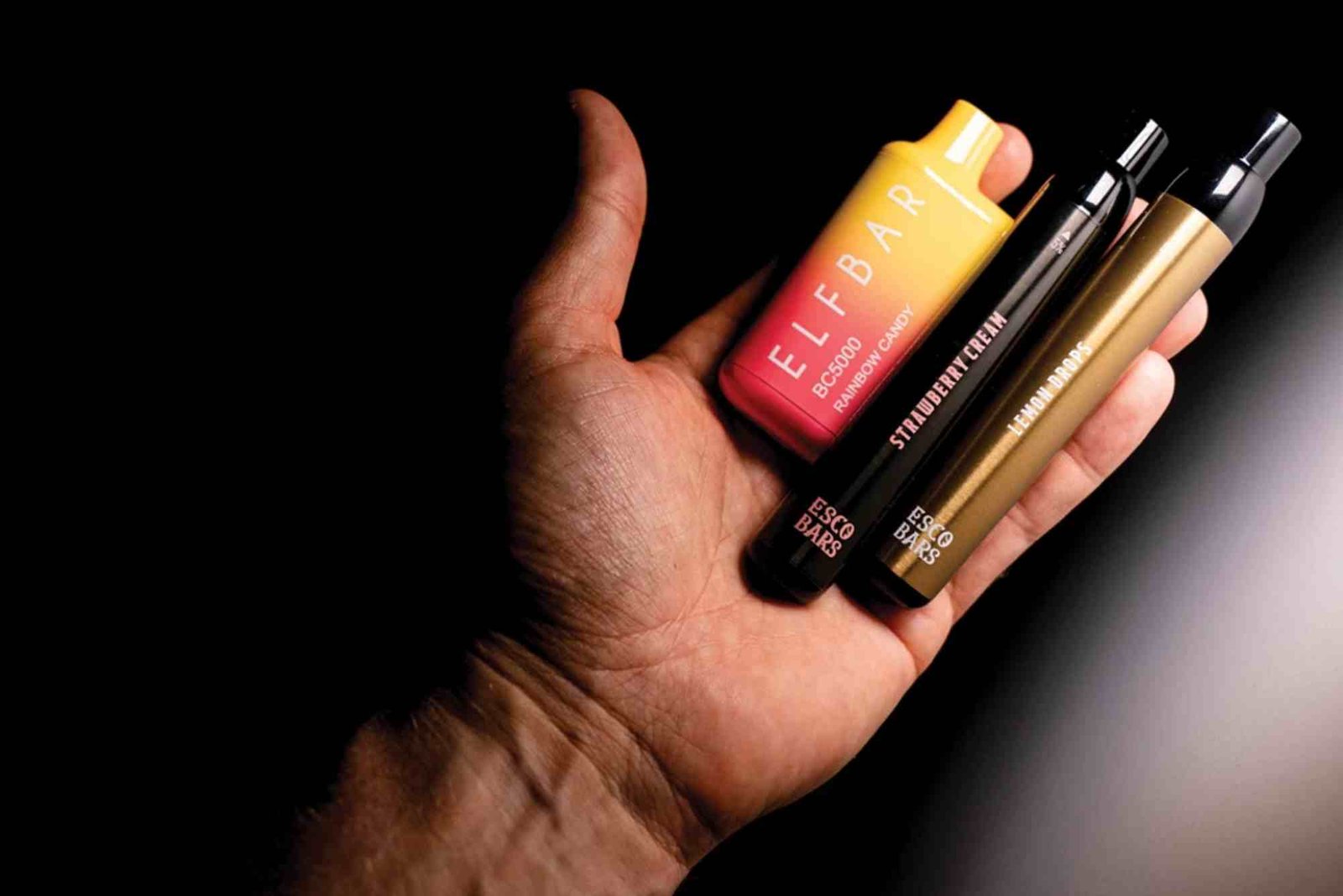
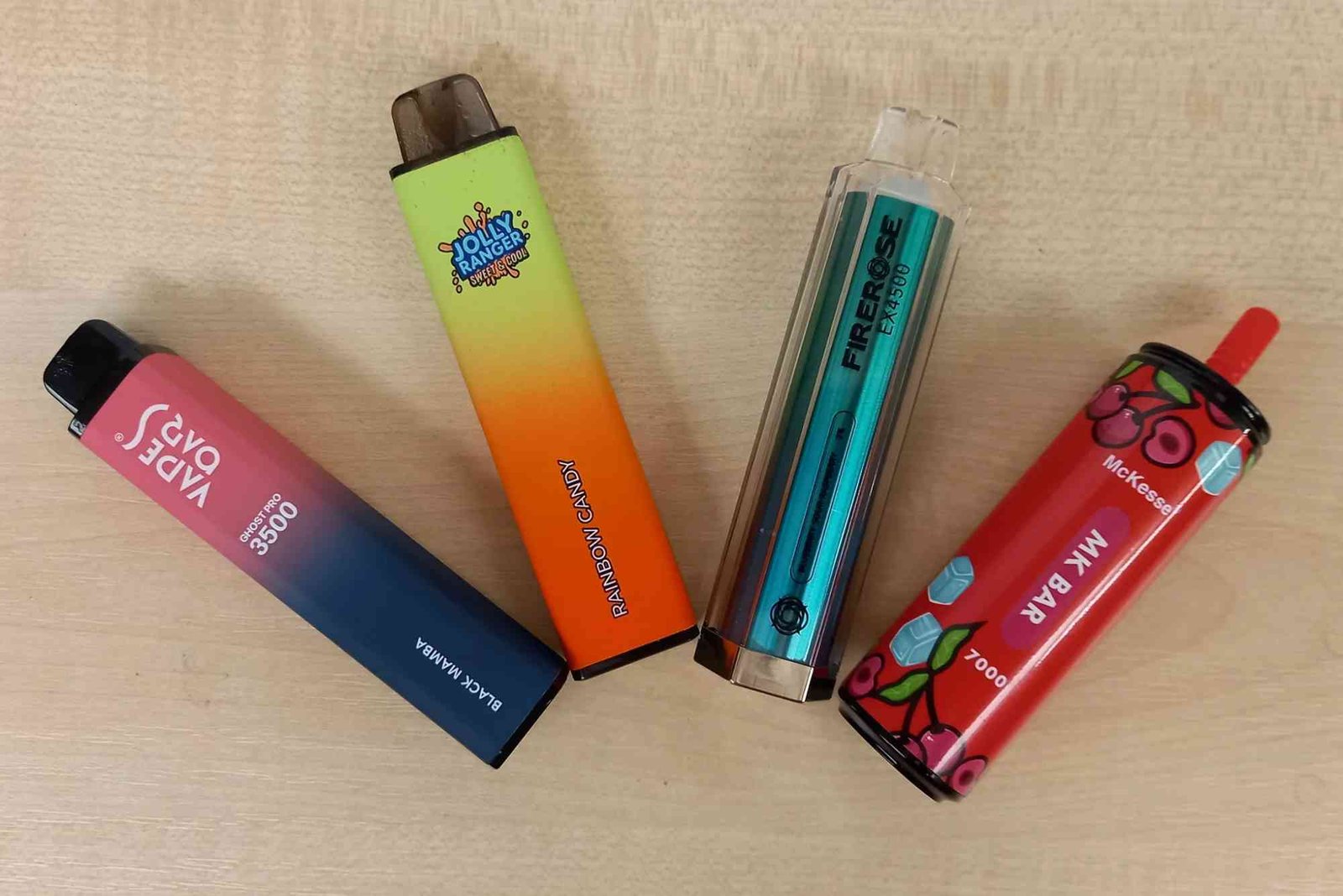
Travelers often ask, why are vapes illegal in Thailand? The question arises because vaping is popular worldwide, yet Thailand enforces some of the strictest anti-vaping laws. At the same time, the popularity of vape devices raises another concern: safe handling of batteries. Improper battery care can lead to accidents, making safety knowledge just as important as understanding regulations. This article explores both topics in depth. You’ll learn why Thailand bans vaping, what risks come with breaking the law, and how to keep your device safe through proper battery care.
Why Are Vapes Illegal in Thailand?
Thailand is one of the most visited countries in Southeast Asia. Its beaches, food, and culture attract millions of tourists each year. However, those unaware of local regulations are often surprised to learn that vaping is prohibited. The ban is not just symbolic—it carries heavy fines and even the possibility of jail time.
The government introduced the ban in 2014. At the time, e-cigarettes were growing in popularity, particularly among young people. Lawmakers feared vaping could normalize nicotine use and create a new generation of addicts. Public health authorities were also concerned about the lack of long-term scientific data regarding the safety of e-cigarettes. While some argue vaping is less harmful than traditional smoking, officials in Thailand considered the unknown risks significant enough to justify strict control.
Another factor lies in Thailand’s anti-smoking campaigns. Over the past two decades, the country has invested heavily in reducing cigarette consumption. Introducing vaping products could undermine that progress. The government framed the ban as a precautionary measure to protect citizens, especially the youth, from nicotine dependence.
Beyond health reasons, there are also economic and regulatory factors. Cigarettes in Thailand are heavily taxed, contributing significant revenue to the government. Allowing vaping could shift consumer habits, reducing those tax earnings. Without clear frameworks to tax or regulate e-liquids, officials chose a blanket prohibition.
For travelers, this means bringing a vape device into Thailand can be risky. Customs officers have the authority to confiscate the device and issue fines. In some cases, tourists have faced arrest after being caught vaping in public. Even if enforcement seems inconsistent, the law is clear, and ignorance is not considered a defense.

The Risks of Ignoring Thailand’s Vape Ban
Many visitors underestimate the seriousness of the ban. They assume vaping is treated like jaywalking or other minor offenses. In reality, Thai authorities view violations as criminal acts. Fines can exceed thousands of baht, and repeat offenders face harsher penalties.
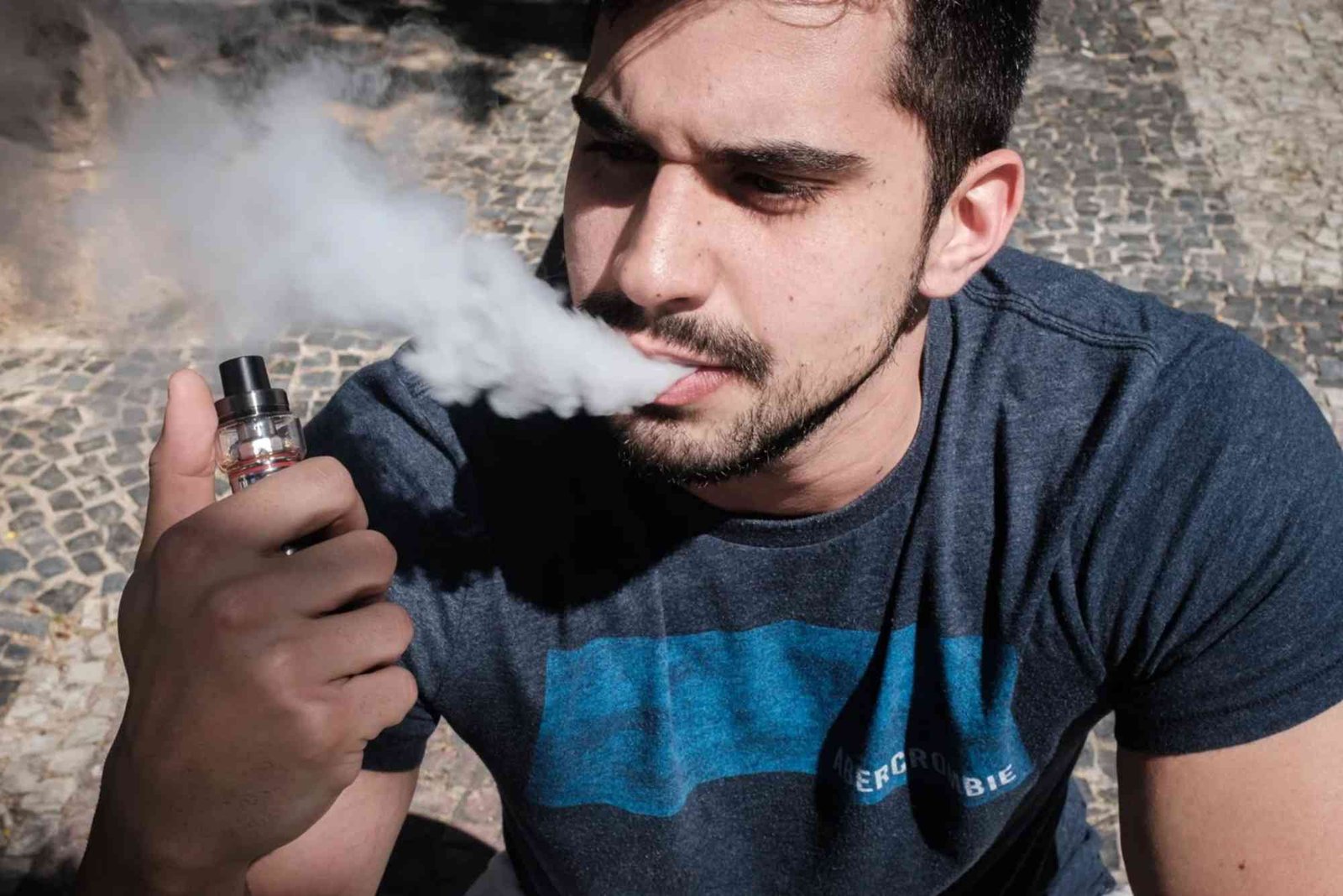
In addition, public perception matters. Using a vape openly in Thailand may draw unwanted attention from locals who are aware of the law. It can also result in negative interactions with law enforcement, adding stress to your trip. Tourists caught with vape devices often describe the experience as intimidating, even if it ends with only a fine.
The lesson is simple: if you plan to visit Thailand, leave your vape at home. Understanding why are vapes illegal in Thailand helps you respect local customs and avoid unnecessary trouble.
Vape Device Battery Safety: Why It Matters
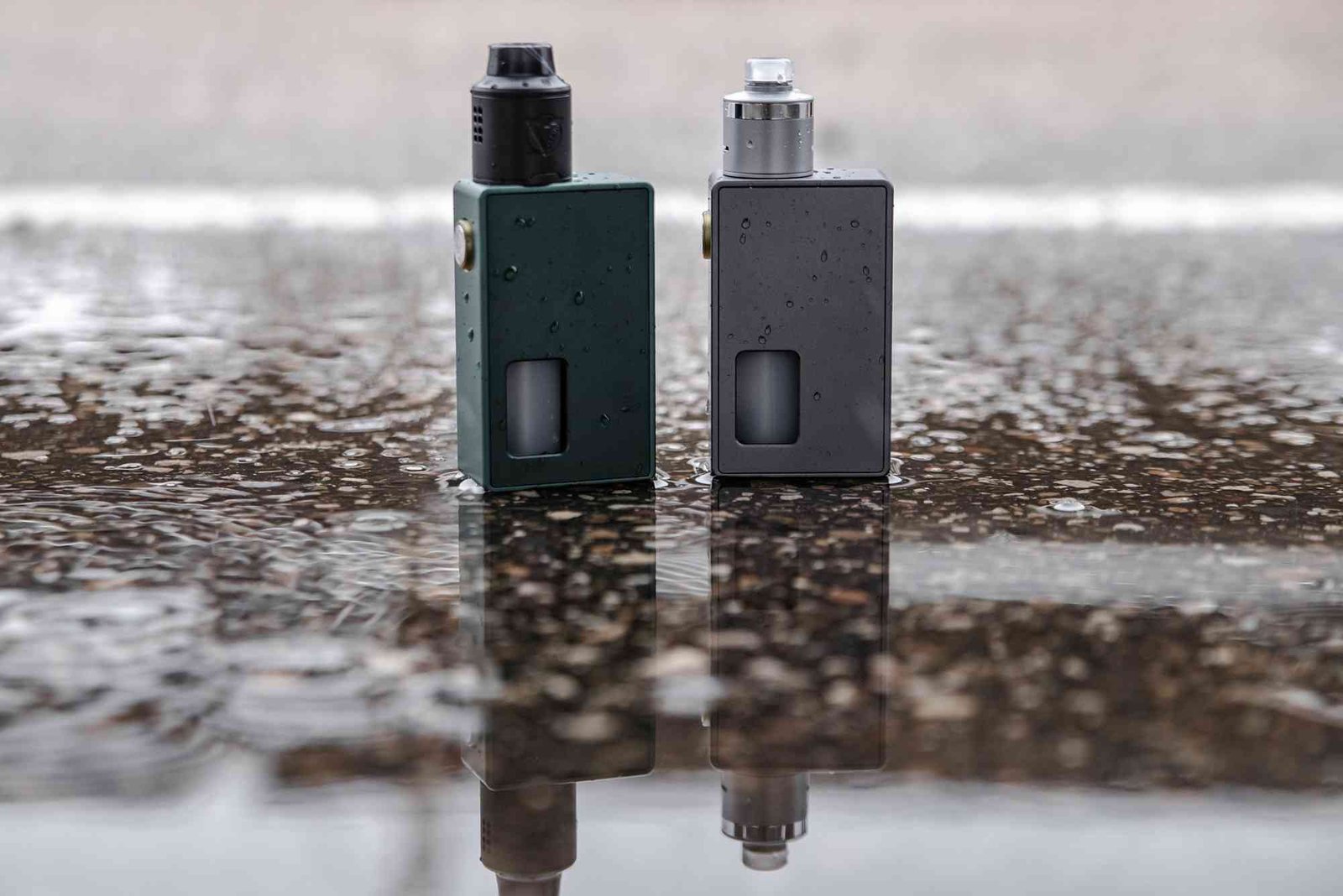
While the legality of vaping varies worldwide, one concern remains universal: battery safety. Vape devices rely on lithium-ion batteries, the same technology found in smartphones and laptops. These batteries store significant amounts of energy in a compact size. If mishandled, they can overheat, catch fire, or even explode.
Accidents often occur when users ignore basic precautions. Stories of devices bursting in pockets or charging mishaps highlight the importance of awareness. Battery safety is not only about protecting your device—it’s about protecting yourself from serious injury.
How Vape Batteries Work
Understanding how vape batteries function makes safety guidelines easier to follow. A lithium-ion battery contains positive and negative electrodes separated by a thin barrier. When the battery discharges, ions move between these electrodes, releasing energy. The barrier is extremely delicate. If punctured or overheated, it can fail, leading to a dangerous chain reaction known as thermal runaway.
This is why proper storage, charging, and usage are critical. A well-maintained battery can last for hundreds of charge cycles without incident. Neglect, however, can shorten its lifespan and increase the risk of failure.
Practical Vape Battery Safety Tips
Proper Charging Habits
Always charge your device with the charger recommended by the manufacturer. Third-party chargers may deliver the wrong current or voltage, stressing the battery. Avoid leaving your vape unattended while charging, particularly overnight. Continuous charging beyond capacity can generate excess heat, damaging the battery’s structure.
Avoiding Extreme Temperatures
Batteries dislike extremes. Leaving your device inside a hot car or exposing it to freezing weather can degrade its performance. High heat accelerates chemical reactions inside the battery, raising the risk of failure. Cold temperatures reduce efficiency, causing faster drain and possible damage. Keep your vape device at room temperature whenever possible.
Inspecting for Damage
Regular inspection is essential. If you notice swelling, leaking, or unusual odors, stop using the battery immediately. Damaged casings or dents compromise the protective layers inside, making the battery unstable. Dispose of compromised batteries responsibly through recycling programs rather than regular trash.
Safe Transportation
Carrying spare batteries in your pocket is unsafe. Contact with keys, coins, or other metal objects can cause a short circuit, generating dangerous heat. Always use protective battery cases when transporting spares. These inexpensive accessories prevent accidental contact and extend battery lifespan.
Charging in Moderation
Avoid draining your battery completely before recharging. Lithium-ion technology performs best when charged between 20% and 80%. Consistently letting your battery hit zero shortens its lifespan. On the other hand, constant top-ups maintain stability and longevity.
Common Battery Myths Debunked
Some vapers believe storing batteries in the fridge prolongs life. In reality, moisture inside refrigerators can damage them. Others think new batteries require a full discharge cycle before use. This advice comes from older battery technologies, not modern lithium-ion. Starting with a partial charge is perfectly safe.
Another misconception is that all chargers are the same. In truth, charging speed and compatibility vary. Using a low-quality charger not only risks safety but also reduces performance over time. Choosing official or certified chargers is always the safer path.
Balancing Legality and Safety
The discussion around vaping often focuses on health risks and legal restrictions. Yet personal responsibility plays an equally important role. In countries where vaping is allowed, battery safety ensures you enjoy the experience without unnecessary hazards. In Thailand, however, the conversation begins with legality. Even the safest device becomes a liability if the law forbids its use.
Recognizing this balance allows you to make informed decisions. Respecting Thailand’s ban protects you from legal trouble. Practicing battery safety safeguards your wellbeing when vaping elsewhere. Together, these lessons highlight that responsible vaping extends beyond choosing flavors or devices—it involves awareness, discipline, and respect for both law and technology.
FAQs
Is vaping legal in Thailand for tourists?
No. Vaping is banned for both residents and tourists. Bringing a vape device into Thailand risks fines or imprisonment.
What happens if you get caught with a vape in Thailand?
You could face confiscation, fines, or even arrest. Authorities treat violations seriously, so it’s best to avoid vaping altogether.
Why does Thailand ban vapes while cigarettes are legal?
Cigarettes are heavily taxed and regulated. Vapes lack similar frameworks and are seen as a potential threat to public health efforts.
Are vape bans common in Asia?
Yes. Several countries in the region restrict or ban vaping, often citing public health concerns and regulatory challenges.
How can I keep my vape battery safe?
Use the correct charger, avoid extreme temperatures, inspect for damage, and transport batteries in protective cases.
Understanding why are vapes illegal in Thailand is crucial for anyone planning to visit the country. The ban reflects health concerns, regulatory gaps, and public safety priorities. Tourists who ignore the law risk serious consequences that can ruin their trip. Equally important, when vaping in regions where it is legal, battery safety cannot be overlooked. Simple habits like proper charging, safe storage, and regular inspection protect both your device and your health.