Introduction
Vaping has become part of everyday life for millions, but rules about where you can and cannot vape are becoming stricter. Many workers are surprised to learn that it can actually be illegal to vape in a work vehicle against the law. This is especially true when vehicles are shared, carry other employees, or are considered smoke-free under workplace regulations. Employers must also comply with occupational safety laws, which makes vaping inside work vans, trucks, and company cars a legal matter—not just a personal choice.
At the same time, even outside legal concerns, vapers must pay attention to the safety of their devices. The lithium-ion batteries inside vape mods and pens are powerful. If mishandled, they can overheat, short-circuit, or even explode. This makes battery care just as important as understanding vaping laws.
This guide explores both topics: the legal landscape of vaping in work vehicles and essential vape battery safety tips you should know.
Is It Really Illegal to Vape in a Work Vehicle Against the Law?
The short answer is yes, in many circumstances. The long answer depends on workplace policies, public health regulations, and regional laws. When a company owns a vehicle and designates it as a smoke-free environment, vaping usually falls under the same restrictions as smoking.
Employers have a duty of care to provide a safe and healthy working environment. This means protecting employees and passengers from secondhand vapor exposure, even if it seems less harmful than cigarette smoke. Many jurisdictions classify vapor the same way as smoke for the purpose of workplace and vehicle rules.
Additionally, if a work vehicle is shared by multiple staff members, vaping inside can expose others to substances they did not consent to inhale. That alone can place an employer at risk of legal liability if someone files a complaint.

Why Vaping in a Work Vehicle Is Treated Like Smoking
Although vaping does not burn tobacco, lawmakers often include it in smoking bans to close loopholes. The focus is less about nicotine and more about shared air quality, fire hazards, and workplace fairness.
Vaping in a confined space such as a company van can leave lingering residue on upholstery and surfaces. This can lead to hygiene concerns and even damage over time. More importantly, if passengers or colleagues object to secondhand exposure, the employer could face penalties for failing to enforce a smoke-free rule.
Health and Safety Considerations
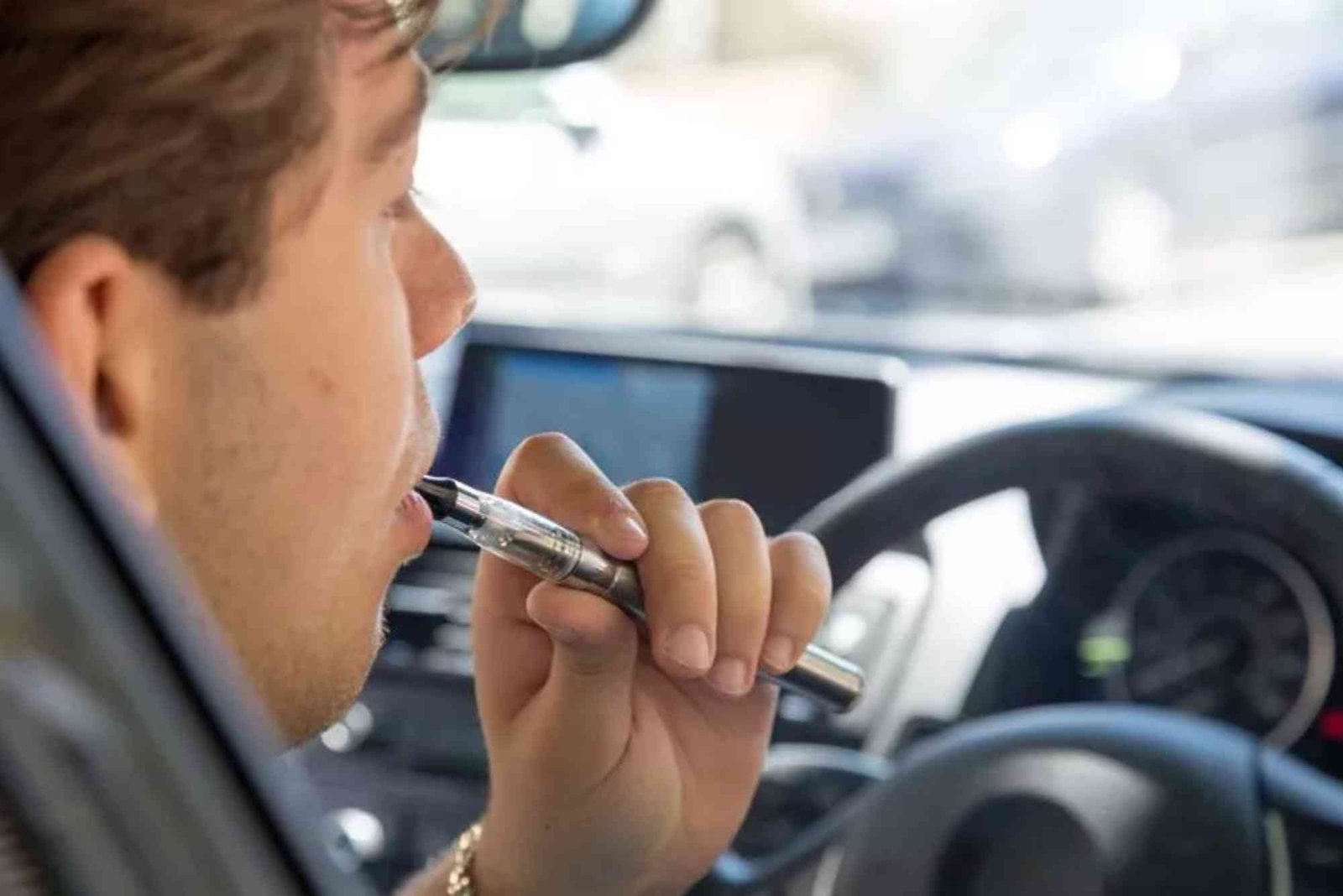
Another reason it is illegal to vape in a work vehicle against the law is workplace health. Employers are responsible for preventing unnecessary risks. Vaping inside a moving vehicle can be distracting, especially if clouds reduce visibility. Just like smoking while driving, vaping can divert attention from the road. This raises accident risks, putting employees, the public, and the company’s insurance at stake.
Fire safety is also part of the equation. Vape devices powered by lithium-ion batteries can pose risks if used or charged unsafely inside vehicles. An overheated battery in a confined environment is a real danger. For these reasons, authorities often extend workplace smoking restrictions to include vaping.
Workplace Policies and Employer Liability
Even if local law does not explicitly ban vaping in work vehicles, most companies adopt internal policies that do. A written policy prevents disputes and protects employers from claims of unequal treatment. For example, if smoking is prohibited in work cars but vaping is allowed, other employees may argue that the rule is unfair or unsafe.
Employers can also face fines if their workplace is inspected and found non-compliant with smoke-free regulations. To avoid this, many businesses take the safest route by treating vaping exactly like smoking.
Vape Battery Safety: Why It Matters
Beyond the legal issue of vaping in vehicles, personal safety should be every vaper’s priority. Vape devices rely on high-capacity batteries that are powerful enough to fuel strong performance but can also cause serious harm if mishandled.
There have been documented cases of vape batteries overheating, venting toxic gases, or even exploding. These events are rare but usually linked to poor battery practices. When used correctly, vape batteries are safe, but a few simple habits make all the difference.
Understanding Your Vape Battery
Most vape devices use rechargeable lithium-ion batteries. These cells are designed to store and deliver energy quickly, which is why they work so well for vaping. However, that same power requires respect. Lithium-ion batteries are sensitive to heat, pressure, and incorrect charging. Without proper care, they can fail in dangerous ways.
Safe Charging Habits
Always use the charger recommended by your vape manufacturer. Off-brand or damaged chargers may not regulate voltage properly, which can lead to overcharging. Charging overnight or leaving batteries unattended increases risk, since overheating may go unnoticed. A good rule is to charge batteries when you are awake and present.
If your vape uses removable batteries, inspect them before placing them in a charger. A torn wrap or dent can cause short circuits. Replace damaged batteries immediately rather than trying to repair them.
Avoiding Overheating
Batteries heat up naturally during use, but excessive heat is a warning sign. If your device becomes unusually hot while vaping, set it aside. Overheating can mean the battery is stressed or malfunctioning. Never leave your device in a hot car, especially during summer, as extreme temperatures can trigger dangerous reactions inside the battery.
Storage Safety
When carrying spare batteries, always use a protective case. Tossing batteries loose into a pocket or bag with keys or coins is one of the most common causes of accidents. Metal objects can bridge the battery’s positive and negative ends, causing a short. Proper storage keeps your batteries safe and extends their life.
Recognizing Warning Signs
A battery that no longer holds charge, makes hissing sounds, or feels swollen should be retired immediately. Continuing to use a damaged battery is not worth the risk. Most quality vape shops sell reliable replacements, and investing in safe batteries ensures peace of mind.
Linking the Two Topics: Laws and Safety
At first, the idea that it is illegal to vape in a work vehicle against the law might feel frustrating to vapers who rely on their device. However, the reasoning behind it ties directly to safety—both for colleagues and for you. Vaping in confined spaces increases exposure risks, can cause distractions while driving, and adds fire hazards linked to battery use.
By understanding both the legal and technical sides, you can navigate vaping more responsibly. Knowing when not to vape and how to care for your device’s battery ensures both compliance and safety.
Frequently Asked Questions
Is it illegal to vape in a company car?
Yes, in most cases. Company cars are considered workplace environments, and vaping is treated the same as smoking under many regulations.
Can I be fined for vaping in a work vehicle?
Depending on your location, yes. Employers may also face fines if they fail to enforce workplace smoke-free policies.
What happens if my vape battery explodes in a car?
An exploding battery can cause burns, fire, or damage to the vehicle. This is why safe battery handling is crucial.
Are vape batteries safe to charge in my car?
Car chargers can be inconsistent. It is safer to charge batteries at home using the correct charger.
Can my employer ban vaping during work hours entirely?
Yes. Employers have the right to regulate workplace health and safety, which includes vaping restrictions.
Understanding that it can be illegal to vape in a work vehicle against the law is more than just about following rules—it’s about health, safety, and responsibility. Work vehicles are shared spaces, and vaping inside them can expose others, create distractions, and even lead to fire hazards. At the same time, vapers need to protect themselves by practicing proper battery safety. Charging responsibly, storing correctly, and replacing damaged cells all reduce risks significantly.