Introduction
Utah has always stood out as a state with strict regulations on smoking and nicotine use, and 2024 was no exception. With the updated Utah vape laws 2024, the landscape for vaping shifted dramatically. By 2025, the consequences of these changes are beginning to show. From tighter restrictions on flavored products to increased age-verification systems, these rules were not simply about compliance but about health and community outcomes. The effects are shaping how people use e-cigarettes, how businesses operate, and how health outcomes evolve.
Understanding how these laws work is critical because they directly influence vaping habits, nicotine consumption, and long-term health. By 2025, we can clearly see how a policy decision taken a year earlier continues to ripple across public health and personal choices.
The Foundation of Utah Vape Laws 2024
Utah has consistently pursued some of the toughest regulations in the United States concerning tobacco and vaping. In 2024, lawmakers targeted what they described as loopholes in enforcement and rising concerns about youth access. The laws covered aspects such as age restrictions, taxation, and the sale of flavored products. Retailers were required to comply with stricter verification systems, while online sales became heavily restricted.
These regulations were not isolated. They reflected a broader national movement toward tighter control of vaping products, but Utah went further by combining health policy with cultural values that prioritize public wellness. By putting these laws into action, the state hoped to decrease youth vaping rates, curb nicotine addiction, and limit the appeal of high-nicotine products.
How the Laws Impacted Vaping Behavior
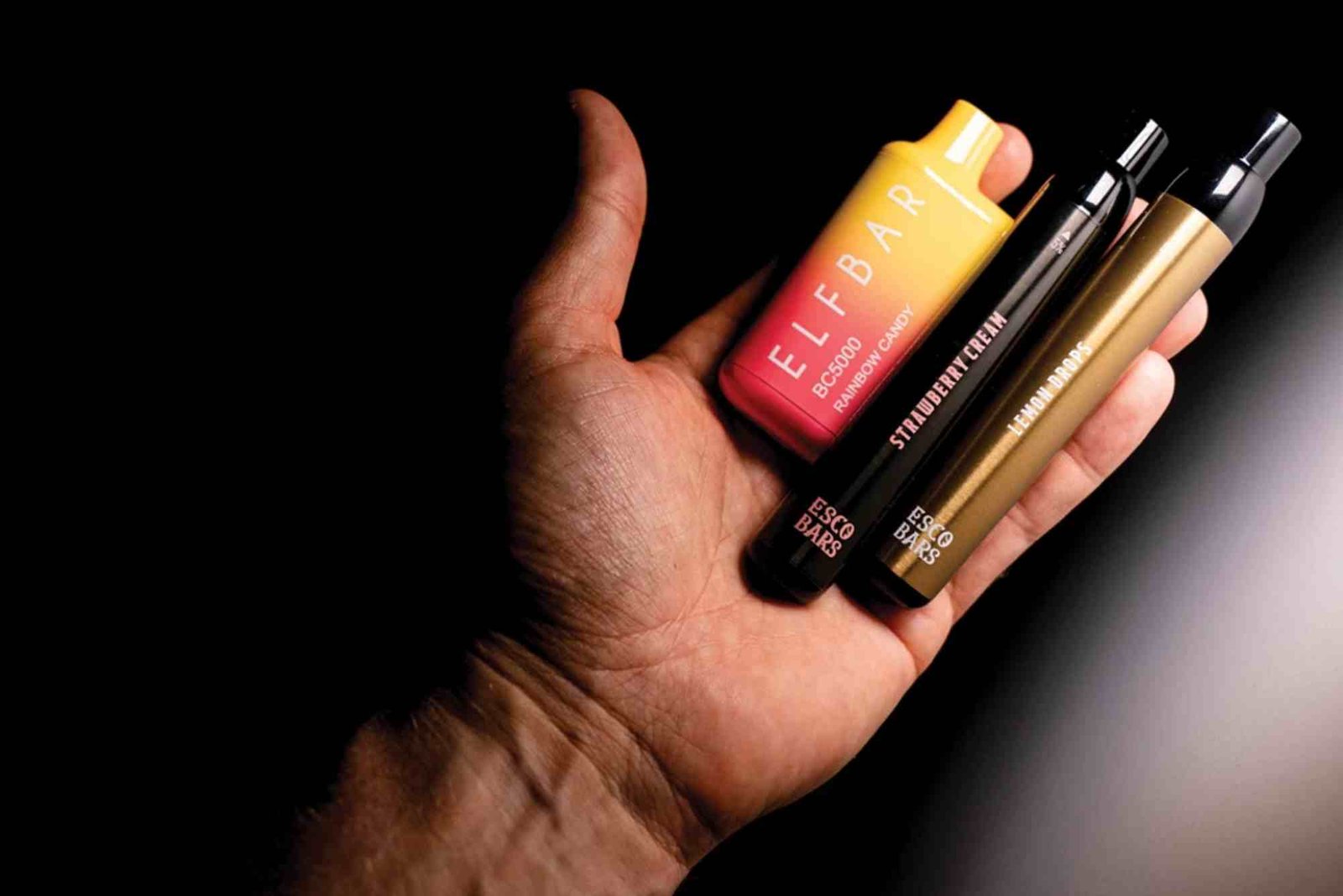
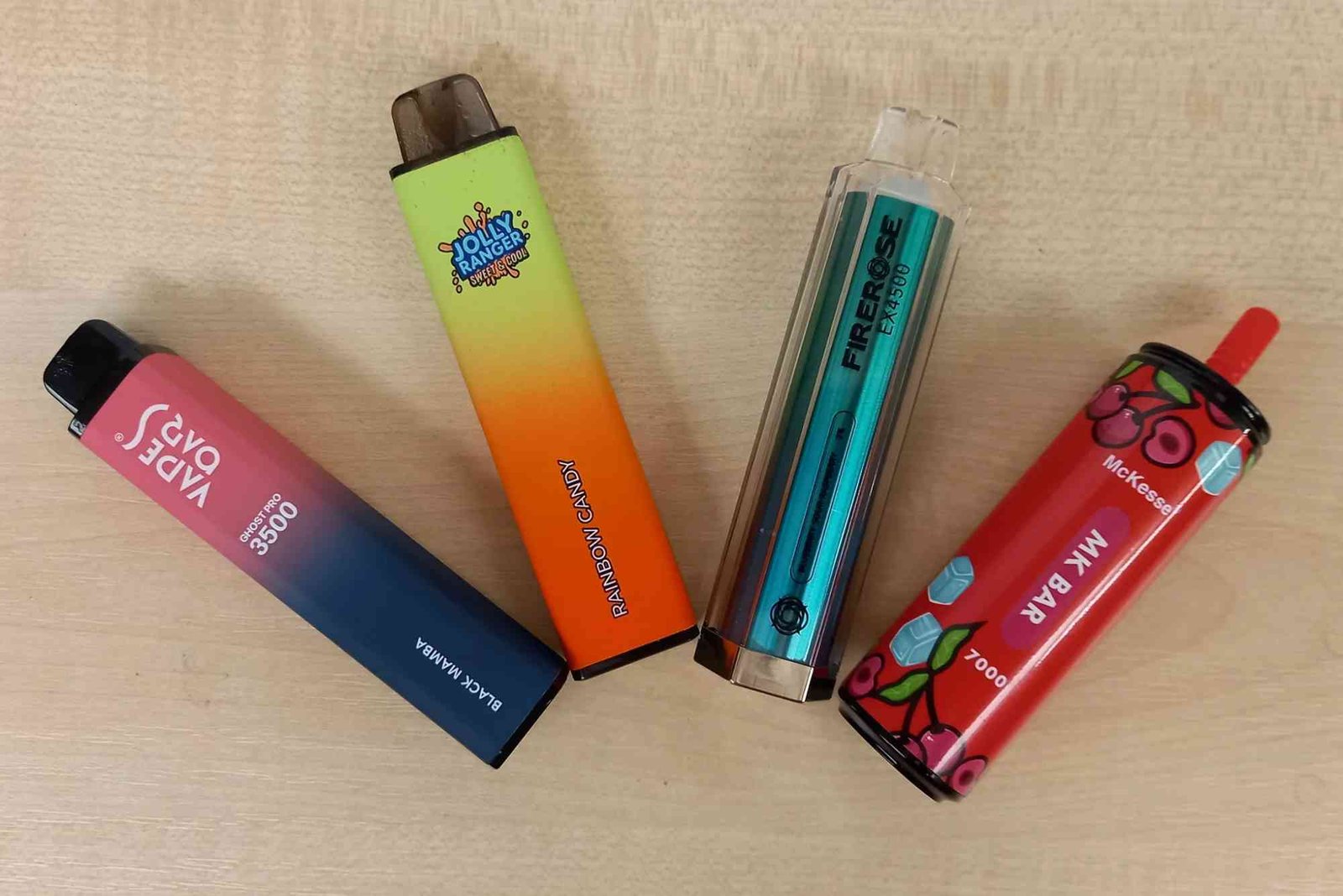
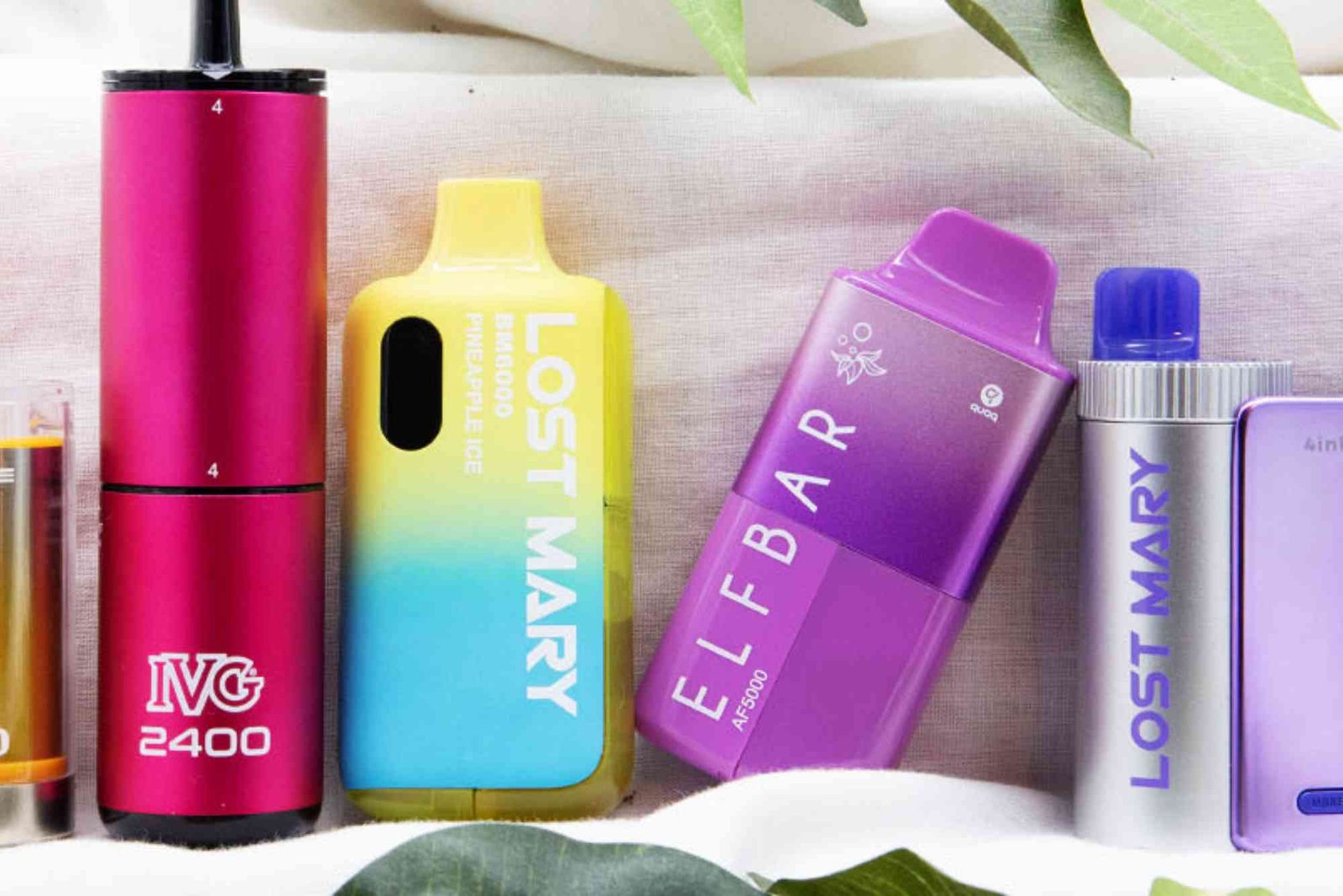
By 2025, the immediate results of Utah vape laws 2024 are visible in consumer behavior. For one, sales of flavored nicotine pods dropped sharply. Flavors like mango, cotton candy, and menthol, often criticized for appealing to teenagers, are no longer widely accessible. Adults who relied on these flavors for smoking cessation are now turning to tobacco or unflavored options.
Another noticeable shift is the decline in online ordering. With tighter controls, consumers now need to purchase in person, where age verification is strict. This reduced the flow of counterfeit or unregulated products, which often carried unknown health risks. At the same time, the inconvenience discouraged casual or experimental use, particularly among younger groups.

For adults, the outcome is mixed. Some appreciate the increased safety, while others feel restricted in their freedom to choose. The key question, however, remains: how does this affect overall health in 2025?
Health Effects Emerging in 2025
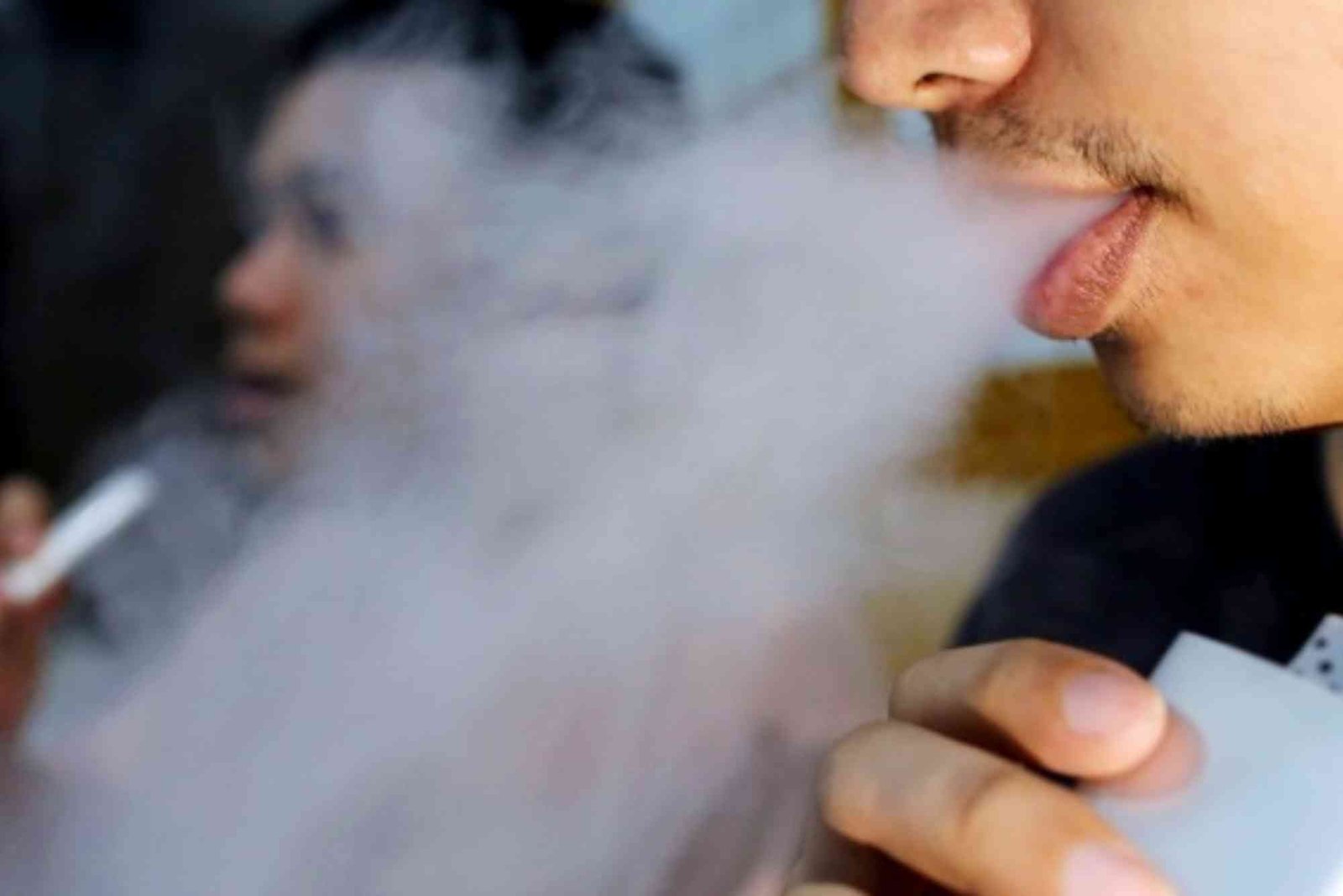
The central purpose of these laws was always health protection. In 2025, public health reports suggest that youth vaping rates are declining in Utah. The absence of enticing flavors and stricter retail environments has made it harder for teenagers to experiment. That, in turn, is expected to reduce the long-term addiction burden in the state.
For adult vapers, the story is more complex. Those who initially switched to e-cigarettes as a smoking alternative may find fewer appealing options. This raises the possibility of relapse into traditional smoking, which carries more severe health risks. However, others are using the reduced access as an opportunity to cut down nicotine consumption altogether.
Public health advocates argue that the decline in underage vaping outweighs the inconveniences faced by adults. Yet, researchers continue to monitor whether some adults might shift back to combustible tobacco, which could reverse health gains.
The Role of Nicotine Regulation
One of the most significant aspects of Utah vape laws 2024 was the regulation of nicotine levels. By enforcing stricter standards on the concentration of nicotine in e-liquids, the state aimed to prevent excessively addictive products from circulating.
In 2025, the health effects of this decision are becoming clearer. Users now report milder withdrawal symptoms when reducing consumption, compared to earlier years when high-nicotine pods dominated the market. This makes quitting more manageable and lowers the risk of developing severe dependence.
However, not all outcomes are positive. Some heavy users now consume larger quantities of lower-strength products to achieve the same effect, potentially increasing exposure to other harmful compounds in vapor. While vaping remains less harmful than smoking, the laws highlight the trade-offs between nicotine control and consumption patterns.
Economic and Social Outcomes Tied to Health
The 2024 regulations also reshaped the vaping market in Utah. Small businesses had to adapt quickly, with some closing due to restrictions on flavored product sales. The shift reduced the visibility of vape shops in local communities, making vaping less normalized. This cultural change contributes indirectly to health improvements by reducing environmental cues that encourage experimentation.
Social attitudes are also evolving. With stricter laws, vaping is increasingly perceived as a controlled activity rather than a casual pastime. For younger audiences, the reduced visibility means fewer triggers to start. By 2025, parents and schools report lower rates of vaping-related disciplinary issues, reinforcing the health goals of the legislation.
Challenges and Criticisms of the Laws
Despite progress, not everyone agrees with Utah’s approach. Critics argue that adults deserve broader freedom of choice, especially those who rely on flavored vaping as a harm-reduction strategy. Some fear the laws could unintentionally push users toward unregulated black-market products, which carry unknown risks.
Health professionals also note that while restrictions help reduce youth access, they may need to be paired with education campaigns to maintain long-term success. Regulations alone cannot address the underlying reasons people turn to nicotine in the first place, such as stress, social pressure, or mental health issues.
In 2025, the conversation continues: are the laws striking the right balance between protecting youth and supporting adults in their harm-reduction journeys?
Looking Ahead: What Utah’s Approach Means for the Future
The impact of Utah vape laws 2024 is already shaping national discussions. Other states are observing how health outcomes unfold in 2025 before considering similar legislation. Utah serves as a test case in balancing regulation, public health, and personal freedom.
For individuals, the key takeaway is that vaping is no longer as accessible or appealing as it was a few years ago. This trend is likely to continue, with future laws focusing even more on health-first policies. Whether you are a current vaper, a former smoker, or a parent concerned about youth access, staying informed about these changes remains essential.
Frequently Asked Questions
What is the legal age for vaping in Utah in 2024 and 2025?
The legal age is 21, with strict enforcement and ID verification requirements for all purchases.
Are flavored vape products banned in Utah?
Yes, most flavored products that appeal to youth are restricted, leaving only tobacco and limited options available.
Can I buy vapes online in Utah?
Online sales are heavily restricted, with age verification systems and delivery rules making them difficult for consumers.
How do the laws affect health in 2025?
They reduce youth vaping rates and help prevent nicotine addiction but may inconvenience adults seeking flavors for smoking cessation.
Are black-market products a problem in Utah?
There are concerns that some users may turn to unregulated sources, but enforcement and education aim to minimize this risk.
The Utah vape laws 2024 are leaving a strong imprint on vaping health in 2025. With reduced access to flavors, tighter sales controls, and stricter nicotine regulation, Utah has seen a decline in youth vaping rates and early signs of reduced long-term nicotine dependency. However, the trade-offs for adults highlight the complexity of balancing public health with personal choice.
As we move forward, these laws remind us that vaping is not just about convenience but about health and community outcomes. If you are a vaper in Utah, this is the perfect time to evaluate your habits, seek healthier alternatives, or explore quitting resources. Staying informed and proactive will help you adapt to the new environment while protecting your long-term well-being.