Introduction
In 2025, Melbourne vape laws remain a central point of discussion for both public health officials and everyday vapers. These regulations have shaped how nicotine products are sold, purchased, and consumed across Victoria. For those who vape, or are considering making the switch from smoking, understanding how these rules influence health outcomes is more important than ever. The way legislation frames access to vaping can either support harm reduction strategies or create unintended barriers.
This article explores how Melbourne’s vaping regulations in 2025 impact health, safety, and lifestyle choices, while also addressing common concerns about compliance, availability, and long-term wellness.
The Evolution of Melbourne Vape Laws
Shifting from Tobacco to Harm Reduction
Australia has historically enforced some of the world’s strictest tobacco control laws, and Melbourne has been at the heart of those changes. In 2025, vape laws continue that trajectory by tightly regulating nicotine-containing e-liquids. While smoking rates have declined, these restrictions have forced many to question whether public health is best served by discouraging or supporting vaping as an alternative.
Prescription-Only Nicotine and Its Health Implications
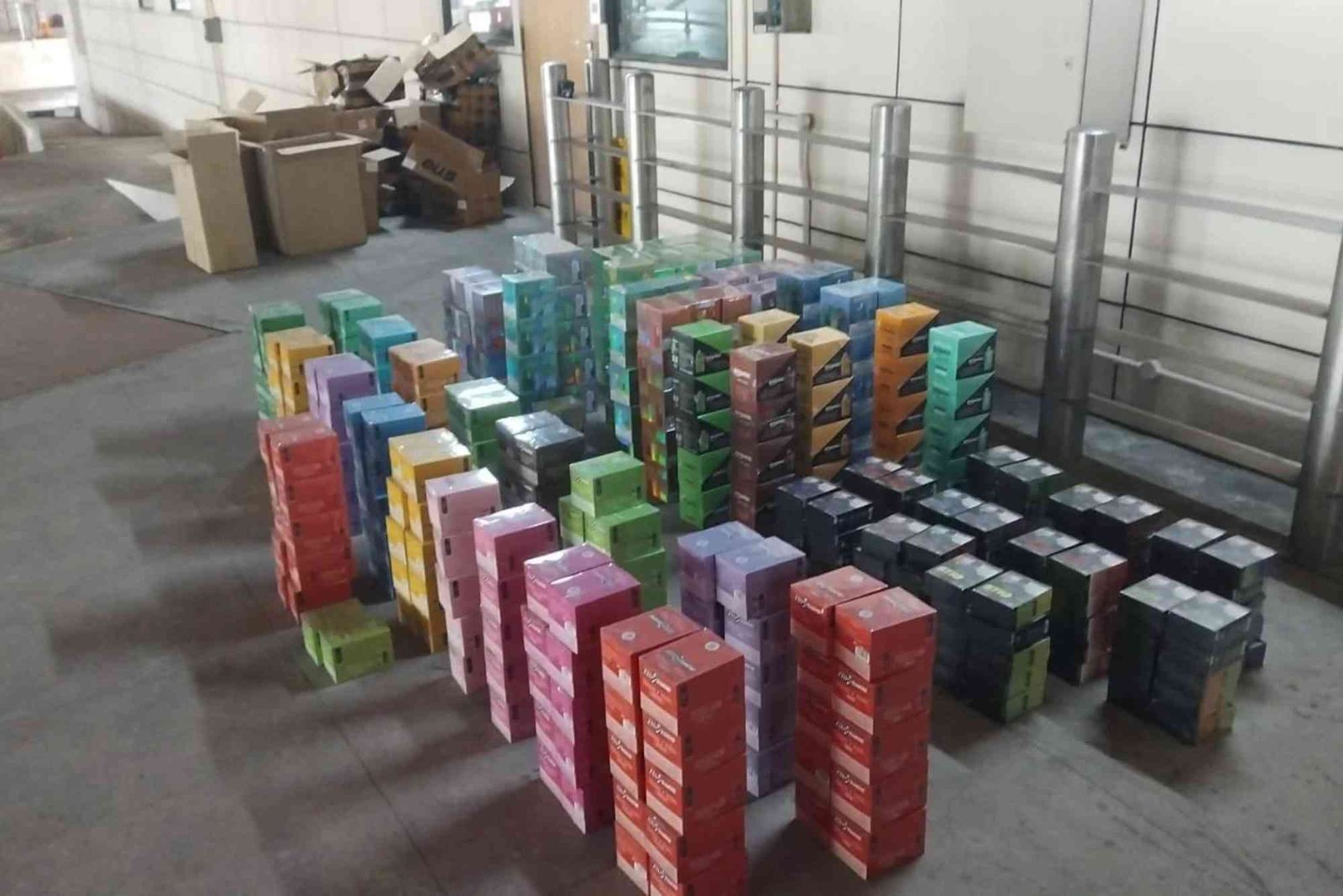
Melbourne still requires a doctor’s prescription to access nicotine vapes legally. This means that while vapers who work with healthcare professionals can obtain regulated products, others may turn to the black market. This distinction matters because health outcomes differ greatly depending on whether individuals use medically approved products or unregulated imports.
The prescription pathway ensures oversight but also limits convenience. For smokers who are less likely to seek medical help, barriers to access may slow down the transition away from traditional cigarettes, which carry far greater risks.
How Melbourne Vape Laws Affect Vaping Health
Access and Harm Reduction
The relationship between law and health is complex. On one hand, Melbourne’s approach prioritizes safety by ensuring vapers use products meeting strict quality standards. On the other, restricted access means many resort to alternative markets where safety cannot be guaranteed. For public health, this creates a paradox: laws designed to protect may, in practice, lead some people toward unsafe products.

Safety Standards and Quality Assurance
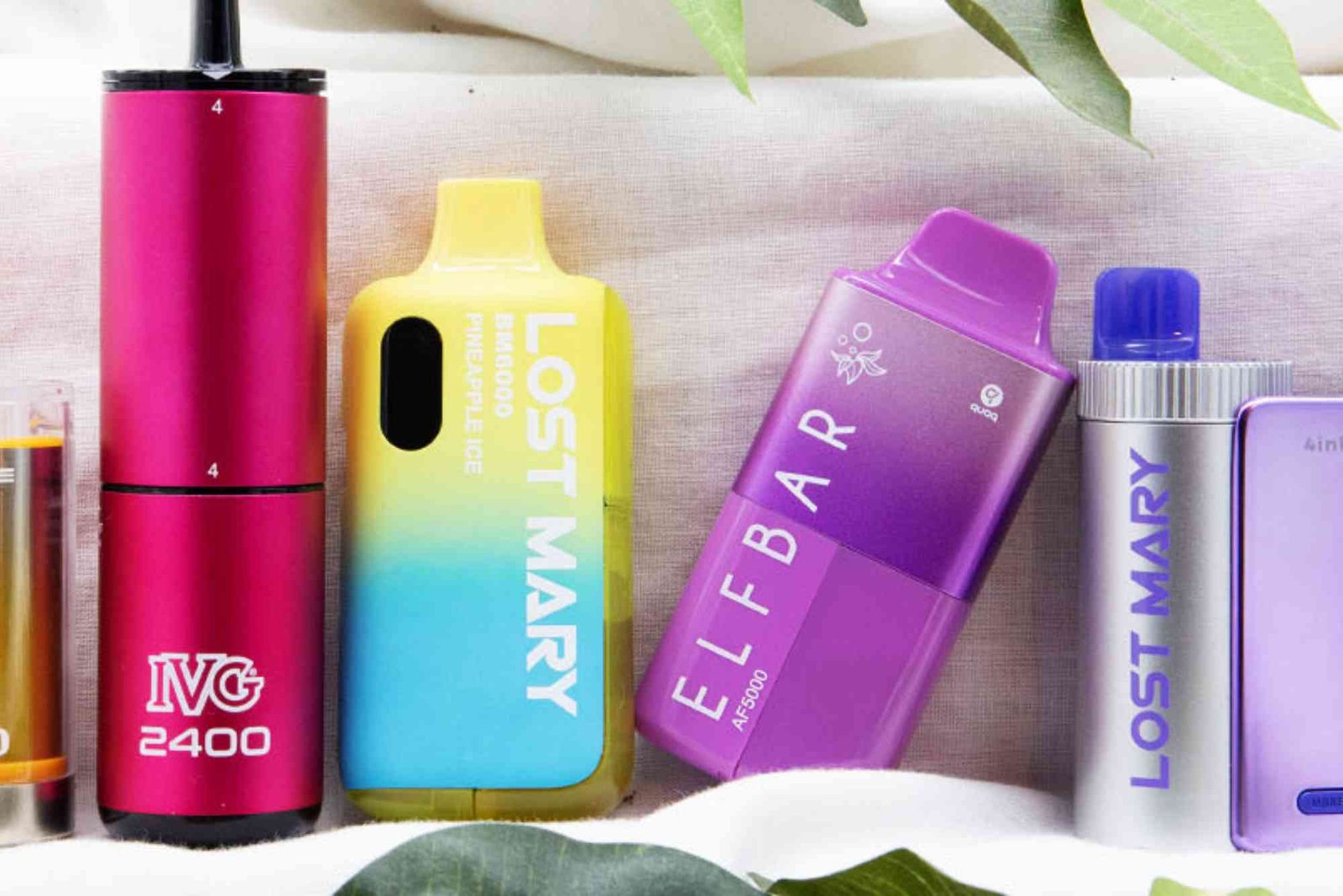
Approved vapes obtained through the prescription system are subject to rigorous testing. This reduces the chances of contamination, mislabeled nicotine strength, or harmful additives. By comparison, unregulated products pose unknown risks. From a health perspective, the law provides protection only when individuals follow the legal pathway, but not everyone does.
Youth Prevention Versus Adult Access
Another factor shaping health outcomes is the effort to prevent youth vaping. Melbourne’s laws make it more difficult for young people to obtain nicotine, which supports long-term health goals for future generations. However, adult smokers attempting to quit face stricter barriers than in other countries, where vaping is positioned more openly as a harm reduction tool.
This tension reveals the dual impact of Melbourne vape laws: they protect non-smokers but may discourage harm reduction for existing smokers.
Comparing Smoking and Vaping Health in Melbourne
When considering the role of law in health, it is impossible to ignore the contrast between smoking and vaping. Research shows that vaping exposes users to fewer harmful chemicals than smoking combustible cigarettes. In Melbourne, however, access challenges mean that some smokers remain dependent on tobacco rather than moving toward reduced-risk alternatives.
The health benefits of vaping compared to smoking are most visible when legal products are accessible. By regulating heavily, Melbourne may inadvertently slow down the overall public health improvement that wider adoption of safer alternatives could deliver.
Public Perception and Lifestyle Impacts
Public opinion about vaping in Melbourne is deeply influenced by the city’s laws. Strict rules create the impression that vaping is equally harmful as smoking, despite scientific evidence suggesting otherwise. This perception matters because it influences how smokers consider their options. If they see vaping as no safer, they are less likely to switch, keeping tobacco-related illness rates higher than they might otherwise be.
From a lifestyle standpoint, restrictions also affect social habits. Vape use in public spaces is treated much like smoking, limiting where people can consume nicotine. For vapers who switched to reduce harm, the stigma and regulation create an additional challenge.
The Broader Public Health Debate
Balancing Safety and Freedom
Melbourne’s vaping laws are designed with safety in mind. They aim to protect young people, prevent unregulated sales, and reduce potential long-term harms. Yet, the balance between regulation and freedom remains a core debate. Should adults who smoke have easier access to less harmful alternatives, even if it means loosening restrictions? Or is the current model the safest way forward?
The Role of Healthcare Providers
One unique feature of Melbourne vape laws is the medicalization of vaping. By requiring prescriptions, healthcare providers play a central role in guiding patients. This has positive implications, ensuring individuals receive professional advice, but it also limits accessibility. Not everyone has the resources, time, or inclination to see a doctor simply to access nicotine vapes.
Mental Health and Accessibility
For some smokers, vaping is not only about harm reduction but also about managing stress and daily routines. Limited access can lead to frustration, relapse into smoking, or risky purchases from unverified sources. Thus, Melbourne’s laws influence not only physical health but mental well-being as well.
FAQs on Melbourne Vape Laws and Health
Are vapes legal in Melbourne in 2025?
Yes, vapes are legal in Melbourne, but nicotine-containing products require a doctor’s prescription. Non-nicotine vapes face additional restrictions under federal law.
Do Melbourne vape laws make vaping safer?
They can, if individuals obtain products through legal medical channels. Laws ensure quality standards, reducing exposure to harmful substances found in unregulated imports.
Can vaping help smokers quit in Melbourne?
Vaping can help smokers reduce harm, but access is limited. Many smokers find the prescription process discouraging, which may affect quit rates.
What are the health risks of black-market vapes?
Unregulated vapes can contain inaccurate nicotine levels, contaminants, or harmful chemicals. Without oversight, these products carry unknown long-term risks.
Why does Melbourne regulate vapes so strictly?
Authorities aim to protect young people, prevent widespread nicotine addiction, and prioritize long-term public health. However, some argue this approach overlooks harm reduction for smokers.
What Melbourne Vape Laws Mean for Health in 2025
Melbourne vape laws in 2025 reflect a careful but controversial balance between safety, access, and public health. On one side, strict rules ensure that legal products meet high standards, protecting users from unsafe or untested alternatives. On the other, barriers to access limit harm reduction opportunities for smokers seeking to quit.
The health effects of vaping in Melbourne depend heavily on how individuals navigate the legal framework. For those who obtain vapes through medical prescriptions, the outlook is generally positive, offering a safer pathway away from smoking. For those who turn to the black market, the risks remain high.