Introduction
Vaping in 2025 has evolved into a highly personalized experience, with technology enabling users to control every aspect of their devices. Yet, no matter how advanced vaping becomes, one principle remains unchanged: Ohm’s law vape 101. At its core, this fundamental law of electricity guides how power flows through a vaping device, affecting flavor, vapor production, and, importantly, health. Many vapers hear about Ohm’s law early on but may not fully understand how it relates to safety or long-term well-being.
In today’s vaping world, understanding Ohm’s law is no longer optional; it’s essential. Without it, users risk overheating coils, damaging batteries, and even exposing themselves to unnecessary health risks. As regulations around vaping tighten in 2025 and consumers demand safer products, knowledge of Ohm’s law becomes a cornerstone of responsible vaping.
This article will break down how Ohm’s law influences vaping health, why resistance matters, and what vapers should consider when customizing their setups. By the end, you’ll see that Ohm’s law vape 101 is not just a lesson in physics—it’s a roadmap to healthier, safer vaping.
What Is Ohm’s Law Vape 101?
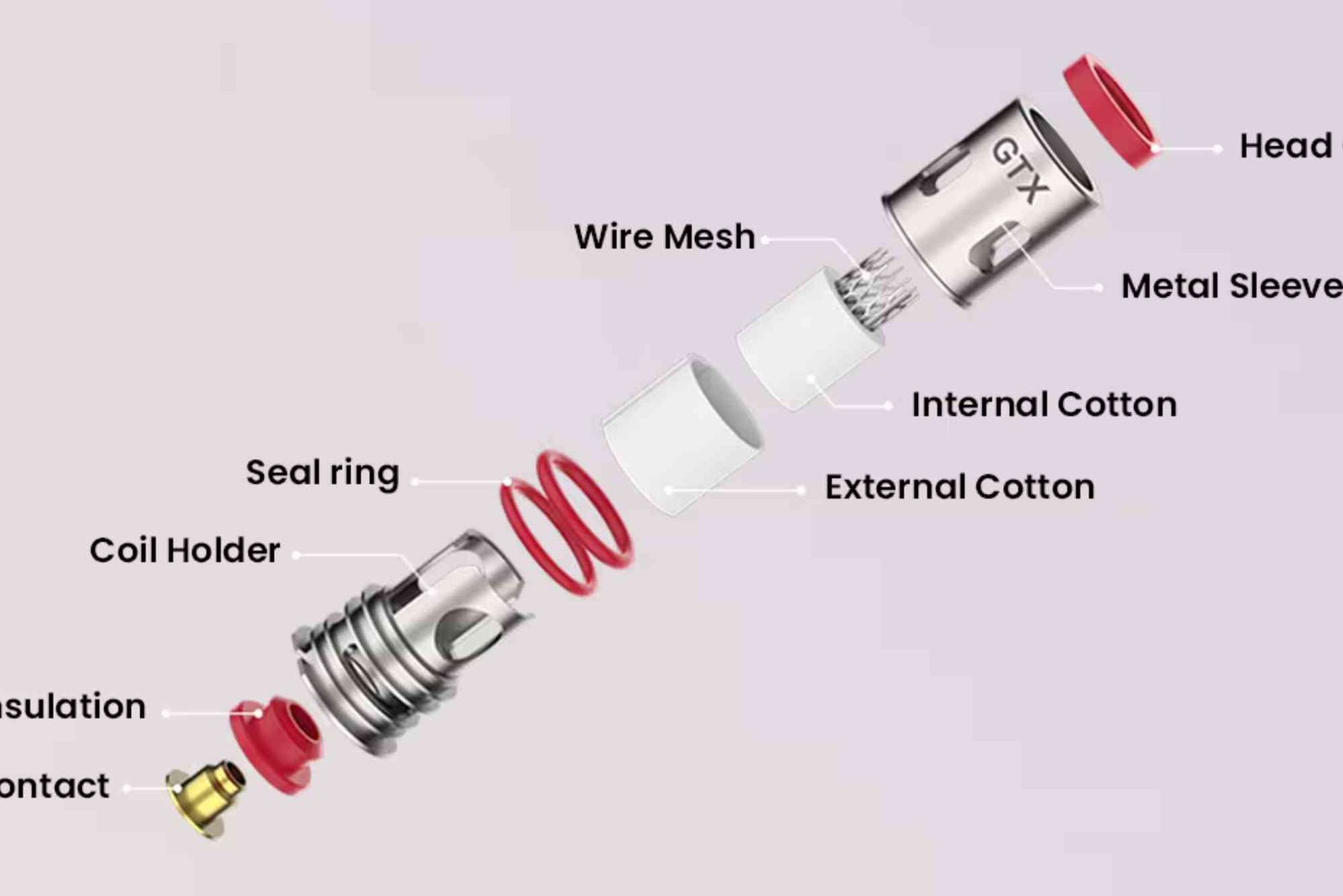
Ohm’s law is a simple equation that explains how voltage, current, and resistance interact in an electrical circuit. In vaping, these three elements work together every time you press the fire button on your device. Resistance, measured in ohms, comes from the coil inside the atomizer. Voltage is provided by the battery. Current is the flow of energy that heats the coil, vaporizing e-liquid.
Understanding Ohm’s law vape 101 allows vapers to predict how their device will perform. A low resistance coil will draw more current, creating bigger vapor clouds. A high resistance coil will use less current, producing a cooler and more controlled vape. Without this understanding, users might push their batteries too far, leading to overheating, inconsistent performance, or even dangerous malfunctions.
By 2025, most regulated mods have built-in protections. However, enthusiasts using rebuildable atomizers or mechanical mods still rely heavily on Ohm’s law. Even with advanced chips and safety features, knowing the relationship between resistance, power, and current ensures users avoid unnecessary health risks tied to overheating or chemical byproducts.

How Ohm’s Law Affects Vaping Health in 2025
The Role of Resistance in Vapor Production
When resistance is too low, coils heat up faster and reach higher temperatures. While this creates large vapor clouds, it can also increase the risk of harmful byproducts such as formaldehyde or acrolein, which form when e-liquids are overheated. On the other hand, very high resistance coils may not deliver enough vapor, leading users to take longer drags and expose themselves to more nicotine per session.
The balance lies in finding a resistance level that provides satisfying vapor without pushing the coil into unsafe temperature ranges. This balance is where Ohm’s law vape 101 directly influences health.
Temperature and Chemical Reactions
Health risks in vaping often stem from temperature. Excessive heat can degrade not only e-liquid but also wicking materials, releasing compounds that irritate the lungs. By applying Ohm’s law, vapers can ensure that their coil builds and wattage settings align with safe temperature thresholds. Modern 2025 devices with temperature control technology make this process easier, but the underlying principle remains tied to Ohm’s law.
Battery Safety and Health Impacts
Improper coil resistance can strain a battery, leading it to work harder than designed. When a battery is stressed, it can overheat, vent, or in extreme cases, explode. Even without catastrophic failure, repeated strain on batteries may cause them to leak harmful chemicals. Understanding Ohm’s law vape 101 helps prevent these scenarios, protecting not just the device but also the health of the person using it.
Airflow, Nicotine Delivery, and User Behavior
The way resistance influences vapor production also affects how nicotine is absorbed. Low-resistance setups often deliver higher nicotine concentrations per puff. For some, this results in faster satisfaction, but for others, it can cause overconsumption, leading to increased heart rate, nausea, or dizziness. High resistance setups tend to provide a gentler nicotine intake, which may be healthier for long-term use.
By applying Ohm’s law principles, users in 2025 can tailor their devices to their health needs—whether they want to reduce nicotine intake, limit exposure to harmful byproducts, or simply enjoy smoother vapor without excessive throat hit.
Why 2025 Makes Ohm’s Law More Relevant
The vaping landscape in 2025 is shaped by stricter health regulations, improved technology, and more informed consumers. With this progress comes a greater emphasis on personal responsibility. While manufacturers have implemented advanced chipsets to prevent unsafe coil resistance or battery misuse, the core science behind Ohm’s law hasn’t changed.
Vapers who understand Ohm’s law vape 101 can make better decisions about their equipment, even when experimenting with new e-liquids, coil designs, or mod systems. This knowledge empowers users to maintain control over their experience instead of relying entirely on automated safeguards.
Moreover, with increasing studies on vaping’s long-term health effects, regulators emphasize user education. Knowing the basics of Ohm’s law ensures compliance with evolving guidelines and aligns with the industry’s shift toward harm reduction rather than unrestricted customization.
Practical Ways Ohm’s Law Promotes Safer Vaping
Applying Ohm’s law in daily vaping is more than just numbers on paper. It becomes part of every decision—from choosing a coil to setting the wattage. When resistance is calculated correctly, devices operate within safe ranges, producing consistent vapor without burning e-liquid or overloading the battery. This prevents dry hits, reduces exposure to toxic byproducts, and minimizes stress on the device.
In 2025, temperature control mods use sensors to adjust power output automatically, but vapers who understand Ohm’s law still gain an advantage. They can predict how a new coil will behave before even installing it, avoiding trial-and-error that may put health at risk. The practical benefits extend to battery life as well, since correct resistance helps batteries run cooler and last longer, reducing the chances of harmful leaks or failures.
Common Mistakes Vapers Make with Ohm’s Law
Even in 2025, mistakes happen when vapers overlook the basics of Ohm’s law. Some push their devices beyond recommended resistance levels, chasing massive clouds at the expense of safety. Others ignore battery ratings, pairing low resistance builds with cells not designed to handle the current load. These errors not only damage equipment but also compromise health by exposing users to excessive heat or toxic emissions.
The most common misunderstanding remains assuming that built-in protections make knowledge unnecessary. While chipsets can prevent catastrophic errors, they cannot fully protect against the gradual health risks of overheated coils or poorly chosen resistance levels. For this reason, Ohm’s law vape 101 continues to be a foundation of safe vaping, regardless of technology.
FAQs: People Also Ask
What is Ohm’s law in vaping?
Ohm’s law in vaping describes how voltage, resistance, and current interact. It helps vapers predict coil performance and maintain safe power levels.
Why is coil resistance important for health?
Coil resistance controls how hot the coil gets. Too low resistance can overheat e-liquid, producing harmful byproducts that affect lung health.
Is sub-ohm vaping safe in 2025?
Sub-ohm vaping can be safe if users follow Ohm’s law and use compatible batteries. However, it may increase exposure to nicotine and vaporized chemicals.
Can Ohm’s law prevent battery explosions?
While Ohm’s law itself does not prevent accidents, applying its principles ensures coils and batteries are paired safely, reducing the risk of overheating.
Do regulated mods remove the need for Ohm’s law?
No. Regulated mods offer safety protections, but understanding Ohm’s law vape 101 helps users optimize performance while avoiding health risks.
Why Vapers in 2025 Must Respect Ohm’s Law
As vaping technology advances, the temptation to rely solely on device protections grows stronger. Yet, no chipset can replace the knowledge that comes from understanding Ohm’s law vape 101. This principle ensures coils heat safely, batteries operate within their limits, and vapor production aligns with personal health goals.
In 2025, vaping is about more than cloud chasing or flavor chasing—it is about safe, informed choices. For those who want to continue enjoying vaping while minimizing risks, embracing Ohm’s law is essential.