What the Label Really Tells You
CBD products have become a global trend, but in the UAE they are strictly regulated. Many residents are curious about CBD oil for wellness, yet they often overlook the fine print. The CBD oil label in UAE is more than just marketing—it’s a legal and health guide. Understanding it can protect you from risks and ensure you make informed choices.
Why the CBD Oil Label in UAE Matters
Labels tell you what’s inside the bottle, but in the UAE they hold greater importance. With strict laws and penalties for possession of banned substances, reading labels carefully is a matter of safety. A label provides details about ingredients, source, THC content, dosage, and sometimes even testing standards. Misreading or ignoring these details can lead to health issues or legal trouble.
Legal Perspective on CBD Oil in UAE
Before exploring what a label reveals, it’s crucial to understand UAE law. CBD oil derived from hemp with no traceable THC is often marketed worldwide as legal. However, in the UAE, CBD in any form is classified under controlled substances. That means products containing CBD oil are generally prohibited, even if labeled as hemp-based or THC-free.
The label may use terms like “hemp extract” or “cannabidiol.” While these sound harmless, they fall under the same restrictions. Anyone considering purchase or use in the UAE must be aware of this legal context.
What the CBD Oil Label in UAE Reveals
Ingredients List
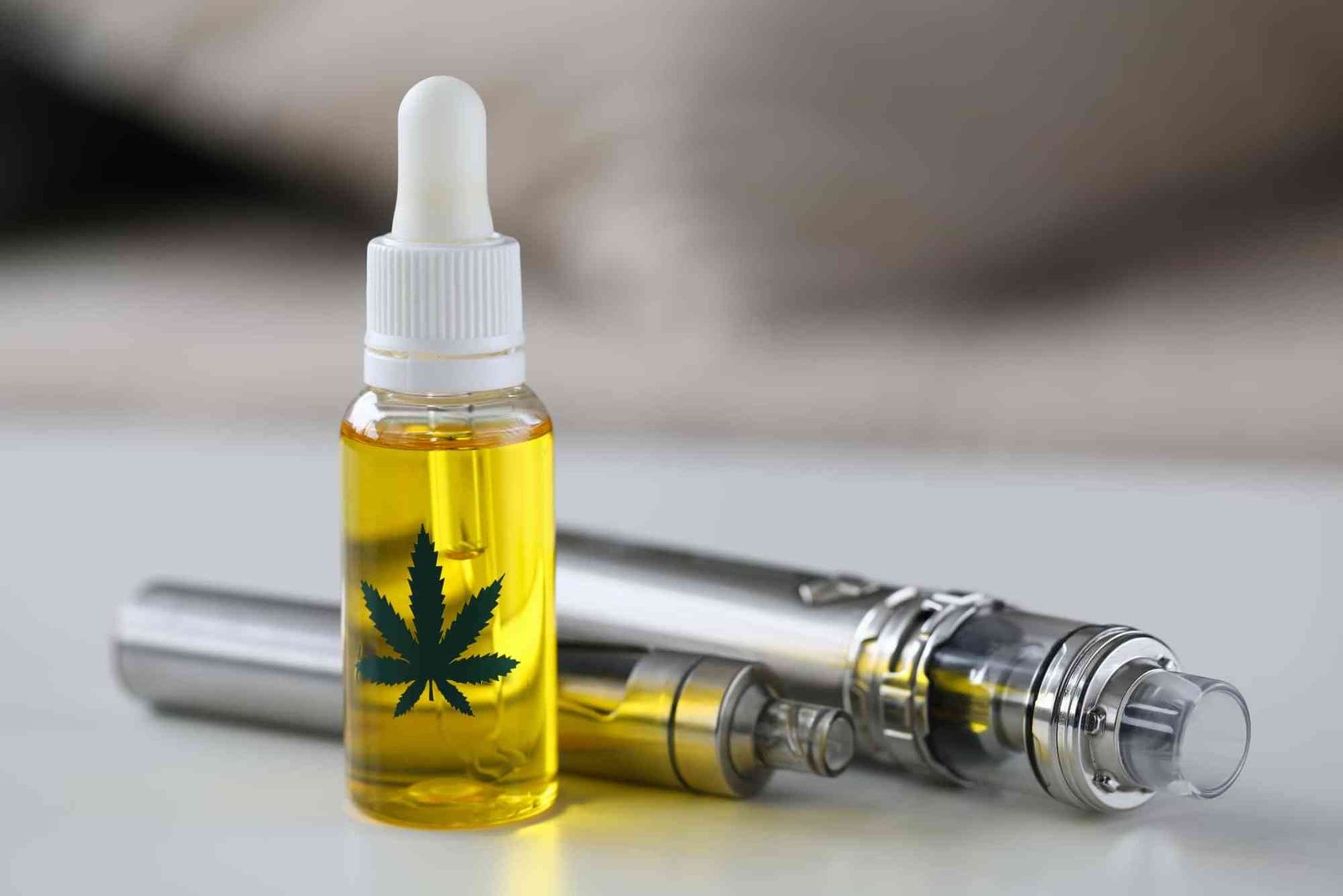
The most important part of a CBD oil label is the ingredient list. A typical label may include:
- Hemp extract or CBD isolate
- Carrier oils like MCT or hemp seed oil
- Flavoring agents
If you see terms like “broad-spectrum CBD” or “full-spectrum extract,” that suggests different compound profiles. In the UAE, these can be problematic because they might contain trace THC.

THC Content
Globally, many CBD oils highlight “0.3% THC” or “THC-free.” In the UAE, even the smallest trace of THC is not acceptable. A label showing any THC percentage can mean the product is illegal.
Dosage Instructions
Labels often include dosage per serving. For example, “10mg CBD per dropper.” While this helps consumers measure intake, in the UAE such instructions may be considered evidence of drug use.
Lab Testing Information
Some labels include QR codes or references to third-party lab tests. These results prove purity, cannabinoid profile, and absence of heavy metals. While valuable in many countries, these details don’t override UAE law.
Marketing Terms
Phrases like “natural,” “organic,” or “plant-based” appear frequently. Although appealing, they don’t change the fact that CBD is restricted. Marketing language can distract from the legal risk, so consumers should look past the buzzwords.
Common Misunderstandings About CBD Oil Labels
Hemp Oil vs. CBD Oil
Many people confuse hemp seed oil with CBD oil. Hemp seed oil is made from seeds and does not contain cannabinoids. It’s widely legal and available in the UAE as a food product. A label clearly stating “hemp seed oil” is very different from one that says “CBD oil.”
“THC-Free” Labels
Some brands market oils as “100% THC-free.” Yet trace contamination can occur. Even if the label claims zero THC, UAE authorities may still classify it as illegal.
International Labeling Standards
Products imported from Europe or the US often follow their own labeling laws. What’s safe in one country may not align with UAE restrictions. Reading only the label without knowing local law can be misleading.
Health and Safety Implications of Labels
Labels are also a guide to personal safety. Poorly labeled CBD oils may contain harmful solvents or additives. Without accurate labeling, users risk consuming unsafe levels of cannabinoids. In the UAE, the risk doubles: both health and legal consequences are possible.
FAQs About CBD Oil Label in UAE
Is CBD oil legal in UAE if the label says THC-free?
No. Even THC-free CBD products are considered restricted in the UAE. Labels don’t change the legal classification.
What’s the difference between hemp seed oil and CBD oil on a label?
Hemp seed oil comes from seeds and contains no CBD. CBD oil is extracted from flowers and leaves. Only hemp seed oil is legally available in the UAE.
Can I bring CBD oil to UAE if the label is FDA-approved?
No. International approval does not make CBD oil legal in UAE. Travelers have faced serious penalties for possession.
How can I tell if a product is safe to use in UAE?
Check the label carefully. If it mentions CBD, cannabidiol, or hemp extract, avoid it. Stick to products labeled as hemp seed oil only.
Why do some CBD oil labels have QR codes?
These codes link to lab results for transparency. While useful elsewhere, they do not affect UAE’s legal stance on CBD.
How to Stay Safe with CBD Products in UAE
- Always read the label before purchase
- Avoid products with “CBD,” “cannabidiol,” or “hemp extract” listed
- Choose hemp seed oil if you need a wellness supplement
- Be cautious when ordering online; many international sellers ship restricted products unknowingly
What the Label Really Tells You
The CBD oil label in UAE is more than just an information sheet—it’s a red flag. While labels in other countries guide consumers on dosage and safety, in the UAE they highlight potential legal risks. If the label says CBD or hemp extract, the safest choice is to avoid it.
Consumers seeking natural wellness oils should turn to alternatives like hemp seed oil or other plant-based options available locally. Always remember: in the UAE, a label can protect your health, your safety, and your freedom.
Stay informed before buying wellness products in the UAE. Read every label carefully, understand the laws, and make safe, legal choices for your well-being.