
How the September 9th Vape Law Affects Vaping Health in 2025
The September 9th vape law, enacted in 2025, marks a significant turning point in vaping regulations. This legislation aims to address rising health concerns related to e-cigarettes and to curb the increasing trend of youth vaping. Understanding how these legal changes affect public health and individual users is crucial for anyone involved in vaping or public health initiatives.
Understanding the September 9th Vape Law
The September 9th vape law introduces comprehensive measures to regulate the manufacturing, sale, and distribution of vaping products. Key provisions include:
- Pre-Market Tobacco Application (PMTA): All new vaping products must undergo a rigorous approval process to demonstrate safety and effectiveness.
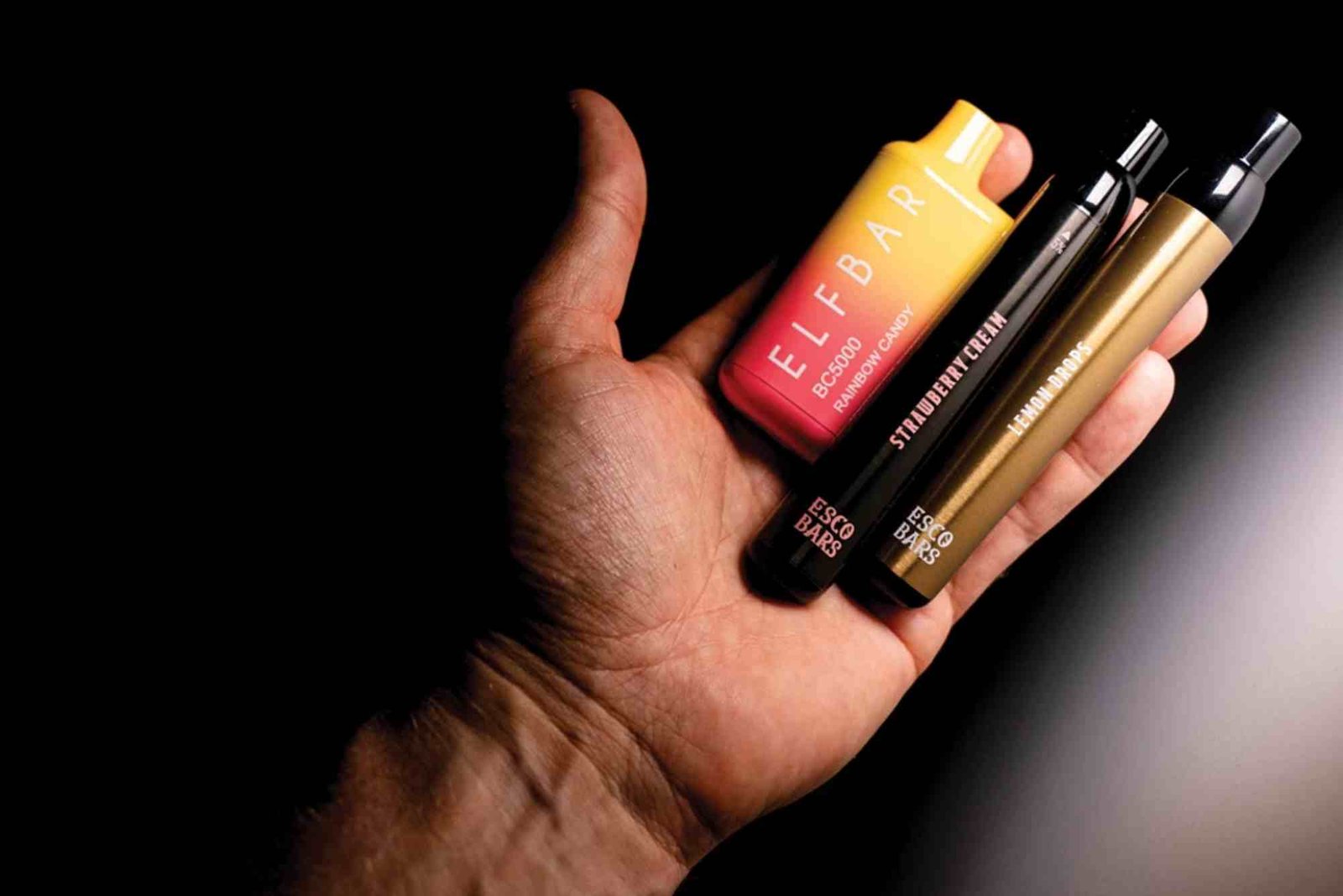
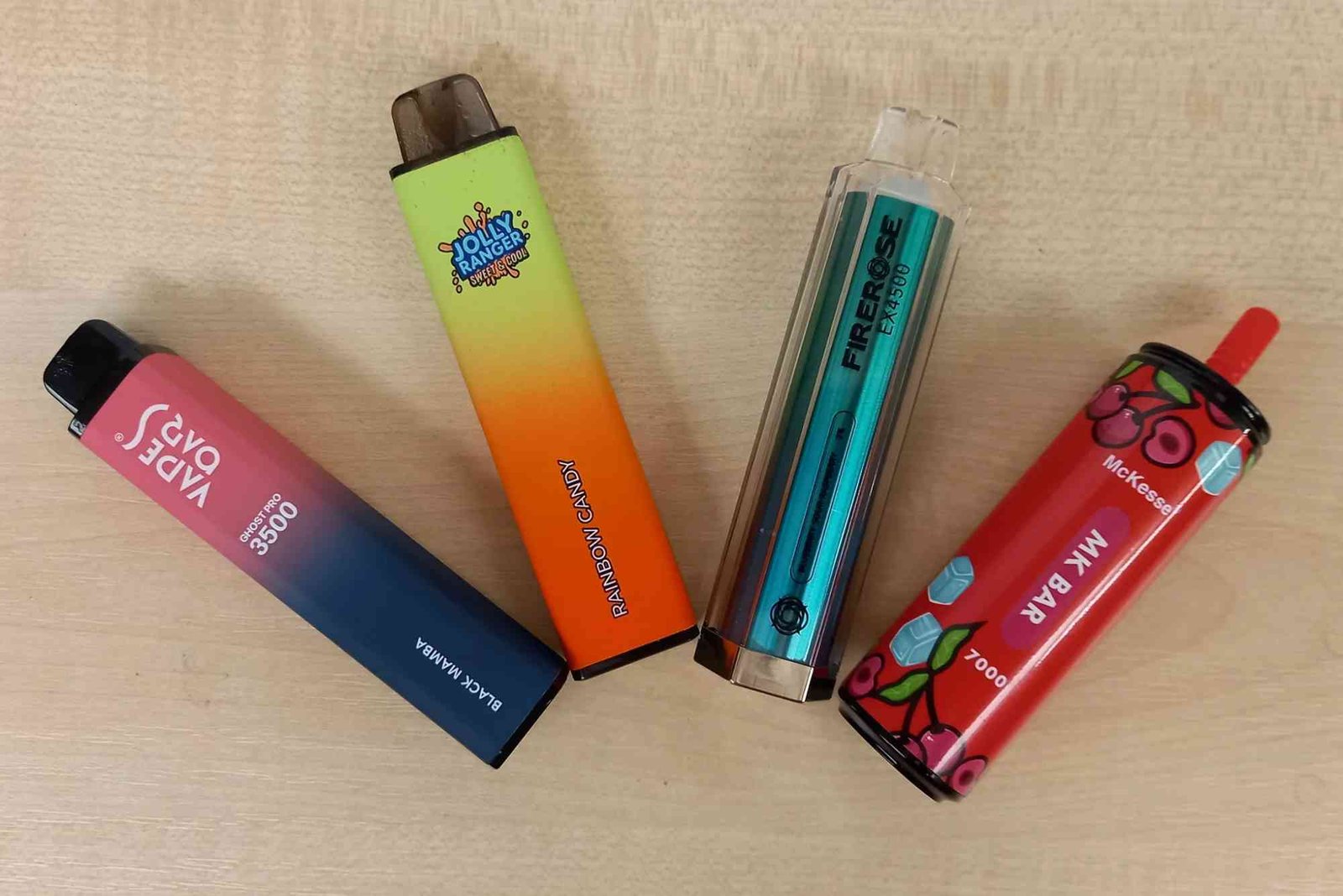
- Flavor Restrictions: Flavored disposable vapes are banned unless explicitly approved through the PMTA process.
- Marketing and Labeling: Stricter rules prohibit youth-appealing branding, such as candy-themed names.
- Indoor Vaping Bans: Vaping is prohibited in areas where smoking is banned, including government buildings, healthcare institutions, and retail establishments.
These measures aim to reduce the appeal of vaping to minors and ensure that products on the market meet safety standards.
Impact on Vaping Health
Reduction in Youth Vaping
One of the primary goals of the September 9th vape law is to curb youth vaping. By restricting flavored products and enforcing strict marketing regulations, the law makes vaping less attractive to young individuals. Studies have shown that flavored e-cigarettes play a major role in the initiation of vaping among adolescents.
Enhanced Product Safety
The PMTA requirement ensures that only products meeting health and safety standards remain available. This evaluation examines the ingredients, manufacturing processes, and potential health risks of vaping products. By enforcing these standards, the law reduces the prevalence of unsafe and unregulated products.
Public Health Benefits
With stricter regulations, the law is expected to decrease vaping-related health issues. E-cigarettes have been linked to respiratory problems and nicotine addiction. Limiting access to these products can mitigate risks and promote better overall public health.

Global Perspectives on Vaping Regulations
The September 9th vape law aligns with international efforts to regulate vaping. Similar measures in countries like the United States and the United Kingdom, including PMTA processes and flavor restrictions, aim to ensure product safety and reduce youth appeal. These global initiatives highlight a growing consensus on protecting public health from the potential harms of vaping.
Challenges and Considerations
While the September 9th vape law represents progress, several challenges remain:
- Enforcement: Ensuring compliance with new regulations requires robust oversight and resources.
- Public Awareness: Educating consumers about the law and its implications is essential for its success.
- Industry Adaptation: Manufacturers must adjust to the new regulatory environment, including reformulating products and altering marketing strategies.
Addressing these challenges is vital to achieving the law’s goals and improving public health outcomes.
The September 9th vape law is a pivotal moment in vaping regulation. By controlling the manufacturing, sale, and distribution of vaping products, it aims to protect public health, particularly among youth. Although challenges remain, this law demonstrates a proactive approach to mitigating health risks associated with vaping.
Staying informed about these regulations and their implications is essential. By understanding and adhering to the law, individuals and communities can contribute to a safer and healthier future.
FQAs
1. What is the September 9th vape law?
The September 9th vape law, enacted in 2025, introduces regulations on manufacturing, marketing, and selling vaping products to improve public health safety.
2. How does the law impact youth vaping?
By restricting flavored products and implementing stricter marketing rules, the law reduces the appeal of vaping to minors.
3. What are the health benefits of the law?
The law helps reduce vaping-related health issues, such as respiratory problems and nicotine addiction, by limiting access to unsafe products.
4. Are similar regulations implemented in other countries?
Yes, countries like the United States and the United Kingdom have introduced similar measures to ensure vaping product safety and limit youth usage.
5. What challenges does the law face?
Challenges include enforcing compliance, raising public awareness, and helping the industry adapt to new regulatory requirements.