The Science of Vape Clouds for Beginners
Vaping has evolved from a simple smoking alternative to a creative hobby for many. One of the most popular aspects is producing large, smooth, and flavorful clouds. If you are new to vaping, learning how vape clouds work can feel confusing at first. Understanding the science behind vapor production will not only help you enjoy your experience more but also improve your technique. In this beginner-friendly guide, we will break down what goes into creating vape clouds, the factors that affect them, and how you can make bigger and better clouds while staying safe.
Understanding Vape Clouds and How They Form
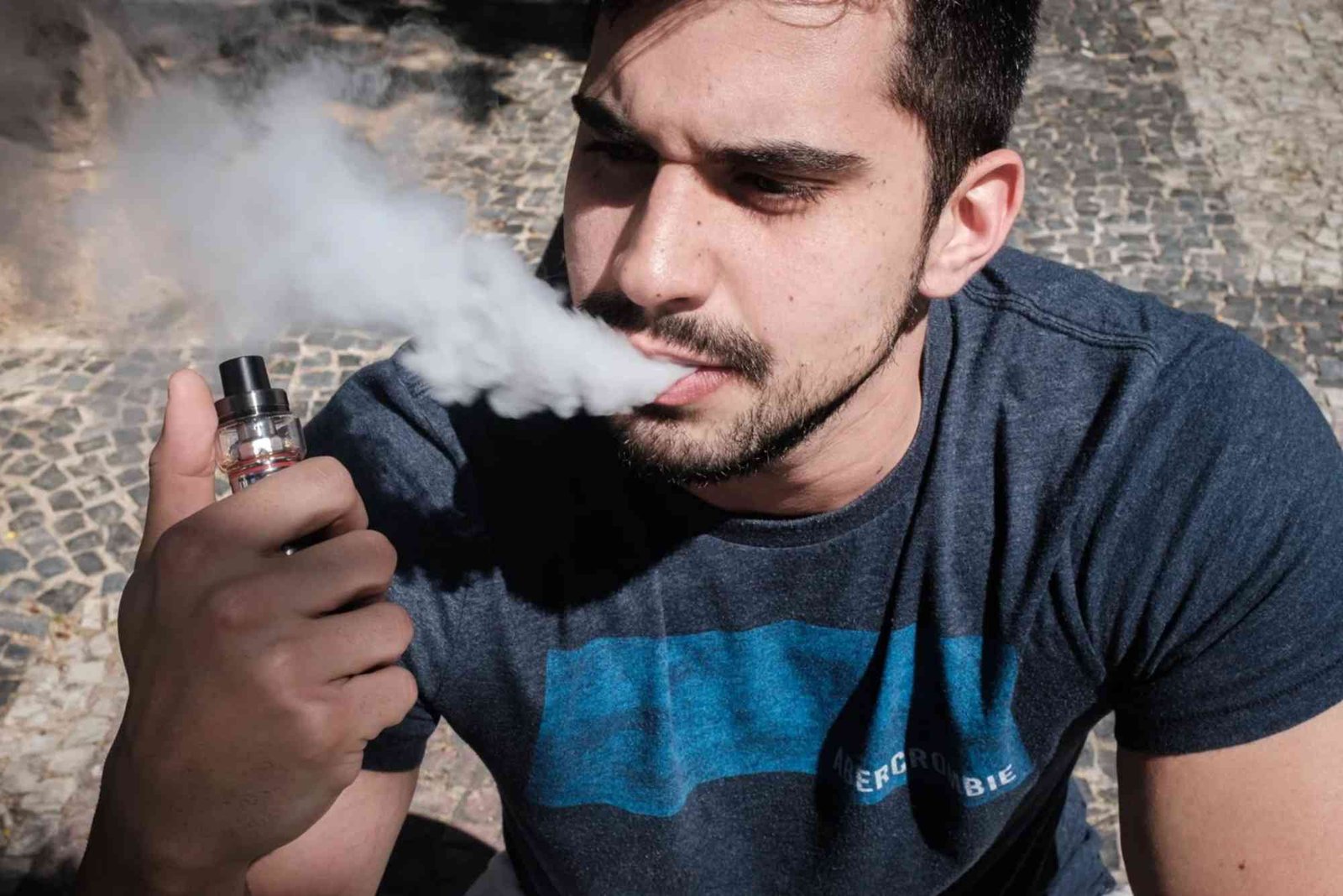
Vape clouds are produced when e-liquid is heated by a coil inside your device, turning it into vapor. This process is known as vaporization. Unlike smoke from traditional cigarettes, vapor does not result from combustion but from heating liquid to the point of evaporation. This makes it smoother and allows for cloud manipulation. The density, size, and texture of your vape clouds depend on several factors, such as the type of e-liquid, the coil resistance, the airflow settings, and the power output of your device.
The Role of E-Liquid in Cloud Production
The composition of your e-liquid is the first thing that influences beginner vape clouds. E-liquids are made from a combination of propylene glycol (PG), vegetable glycerin (VG), flavorings, and nicotine (optional). For cloud production, VG plays the most important role. VG is thicker and produces denser vapor than PG, which is thinner and delivers more throat hit. Beginners who want to create larger clouds should choose e-liquids with a higher VG ratio, often labeled as 70% VG or higher. This high VG content ensures smooth draws and more visible vapor.
Device Power and Coil Resistance
Your vape device’s wattage and coil resistance greatly impact the amount of vapor produced. Higher wattage provides more heat to the coil, vaporizing more liquid at once. However, this must be balanced carefully; too much heat can burn the coil or alter the flavor negatively. Sub-ohm coils, which have a resistance of less than 1 ohm, are favored for cloud chasing because they allow for more power and faster vaporization. Beginners can start with coils in the range of 0.5–0.8 ohms to get a balance of flavor and vapor while keeping the learning curve manageable.
Airflow and Inhalation Technique
Airflow determines how much air mixes with your vapor as you inhale. More airflow produces bigger clouds but can also dilute the flavor. Beginners often find that adjusting airflow to medium settings provides a good balance. The way you inhale also matters. Direct-to-lung (DTL) vaping, where vapor goes directly into your lungs instead of being held in your mouth first, is ideal for larger clouds. Mouth-to-lung (MTL) is more like cigarette smoking and produces smaller clouds, which might be easier for absolute beginners.
The Science Behind Bigger Vape Clouds
The size of your clouds comes down to vapor density and how well you can control the movement of that vapor. Several scientific principles are at play when you blow impressive vape clouds.

Heat Transfer and Vaporization
When current flows through your vape coil, it heats up due to electrical resistance. This heat is transferred to the e-liquid in the wick, turning it into vapor. Higher surface area coils, such as mesh coils, heat more liquid at once, resulting in thicker clouds. However, too much heat can cause overheating and dry hits, so balance is key.
Air Pressure and Cloud Expansion
When you exhale vapor into the air, the surrounding temperature and humidity affect how your cloud behaves. Warm, humid air makes clouds look denser, while dry or cold air can cause them to disperse faster. Adjusting your exhale speed can also change cloud thickness. Slow, controlled exhales often result in fuller, more stable clouds.
VG Density and Light Scattering
VG’s high viscosity means it creates particles that are larger and more uniform, which makes clouds more visible under light. This is why vape clouds appear thicker and whiter compared to cigarette smoke. Understanding this can help beginners choose the right e-liquid for the best visual effect.
Practical Tips for Beginners to Improve Vape Clouds
While the science explains the “why,” putting it into practice requires technique and experimentation. Here are practical tips for beginners who want to master vape clouds.
Choose the Right E-Liquid Ratio
Aim for an e-liquid with at least 70% VG for noticeable cloud production. If you are sensitive to thicker liquids, you can start with a 60/40 VG to PG blend and work your way up.
Invest in a Suitable Device
For beginners, a mid-range sub-ohm device with adjustable wattage and airflow is ideal. This allows you to experiment with settings without going too advanced too quickly. Avoid devices that are too high-powered initially, as they can be overwhelming.
Master Your Inhalation Technique
Practice direct-to-lung inhales by taking smooth, steady draws for 3–5 seconds before exhaling. Keep your shoulders relaxed to prevent strain and make sure your breathing feels natural.
Maintain Your Coil and Tank
Dirty coils or old wicks will produce less vapor and can taste burnt. Change your coil regularly and clean your tank to ensure optimal performance.
Control Your Environment
Cloud size can be affected by air movement in your environment. Vaping indoors with minimal airflow will make your clouds appear bigger and linger longer.
Common Mistakes Beginners Make with Vape Clouds
Even with the right equipment, small errors can affect your cloud production.
Using the Wrong E-Liquid Ratio
High PG e-liquids are better for flavor and throat hit but not for large clouds. Beginners often choose them by mistake when aiming for vapor density.
Overheating the Coil
Pushing your device beyond recommended wattage can burn your coil, ruin flavor, and create harsh vapor. Always check your coil’s recommended range.
Improper Airflow Adjustment
Too much airflow can thin out clouds, while too little can cause overheating. Beginners should experiment gradually to find the sweet spot.
Safety Considerations for Beginner Vape Clouds
While cloud chasing can be fun, safety should always come first. Always use batteries recommended for your device to avoid overheating or short circuits. Follow your device’s manual and never exceed coil or battery limits. If you notice unusual heat or taste, stop vaping and check your setup. Staying hydrated is also important, as high VG liquids can cause mild dehydration.
Start Small and Grow Your Cloud Skills
Mastering beginner vape clouds is about understanding the science of vapor production and applying the right techniques. By choosing the right e-liquid ratio, adjusting your device settings, and practicing proper inhalation, you can create impressive clouds without sacrificing flavor or safety. Start with small improvements and gradually experiment with your setup to see what works best for you.
FAQs
Q: How can I make bigger vape clouds as a beginner?
A: Use a high VG e-liquid, a sub-ohm coil, and practice direct-to-lung inhales with proper airflow adjustment.
Q: Do I need a powerful vape device for big clouds?
A: Not necessarily. A mid-range sub-ohm device with adjustable wattage can produce large clouds without being overly complex.
Q: Is VG better than PG for vape clouds?
A: Yes. VG is thicker and produces denser clouds, while PG is better for flavor and throat hit.
Q: How long should I inhale to make big clouds?
A: For most setups, inhaling smoothly for 3–5 seconds before exhaling works best for cloud production.
Q: Can I make big vape clouds with nicotine salt e-liquids?
A: It’s possible, but freebase nicotine in high VG blends is generally better for large clouds.