How Vapes in Kentucky Law Affects Vaping Health in 2025
Understanding how vapes in Kentucky law impacts vaping health in 2025 is essential for communities across the state. As legislation shifts, so do health outcomes—for youth, adults, and the vaping industry. This in-depth look explores the implications for public health and daily life.
In 2025, vapes in Kentucky law reshaped the vaping landscape in significant ways. Purposeful changes aim to curb youth vaping, regulate product safety, and improve overall public health. These adjustments affect product availability, business operations, and long-term health trends. Here, we explore how these legal changes influence vaping health, why they matter, and what may come next.
The Legal Landscape in 2025
House Bill 11 and FDA Authorization
Kentucky’s House Bill 11 took effect on January 1, 2025. It restricts the sale of vape and smokeless nicotine products to those that have either received FDA marketing authorization or have formally applied under safe-harbor certification.
Bans on Popular Disposable Vapes
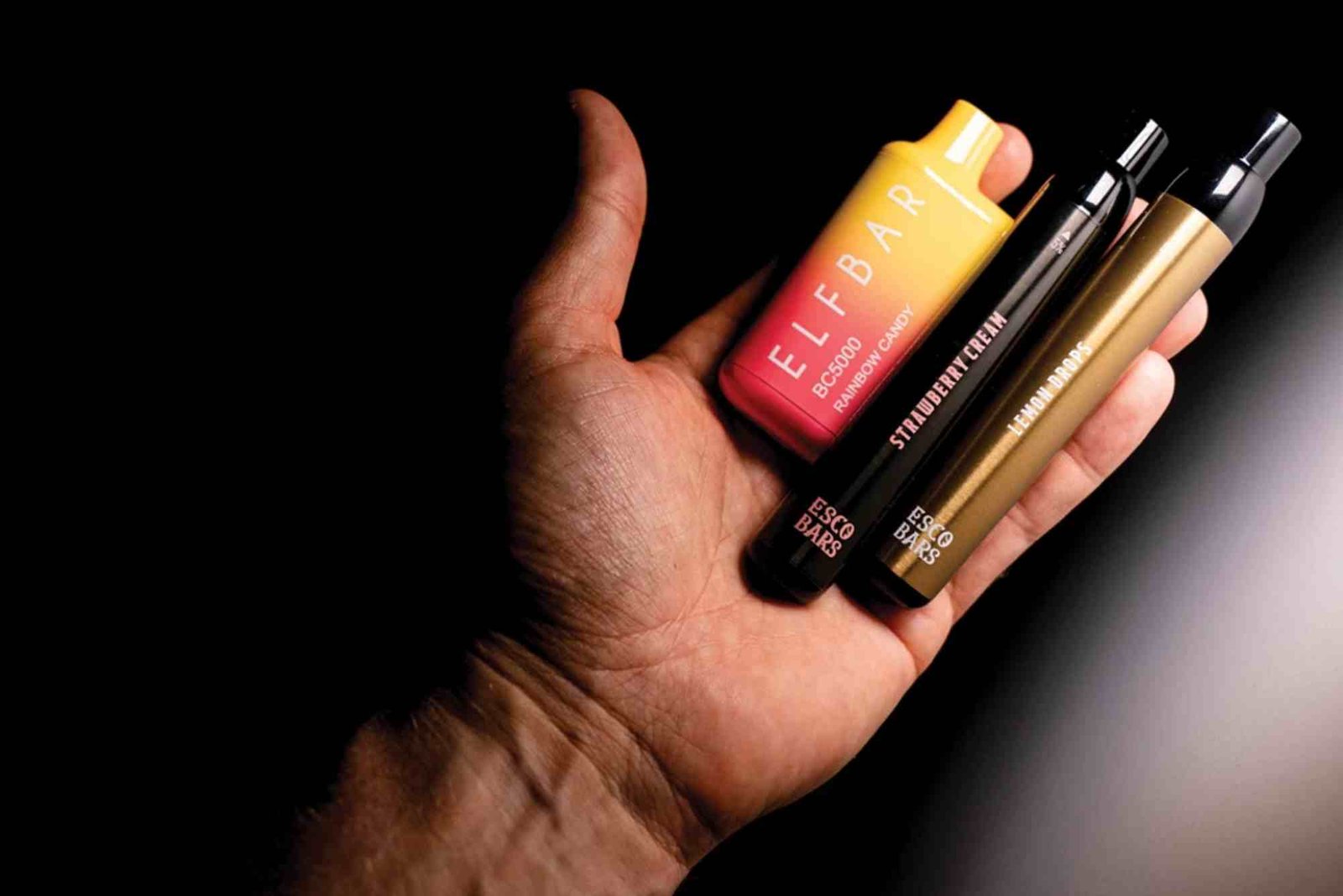
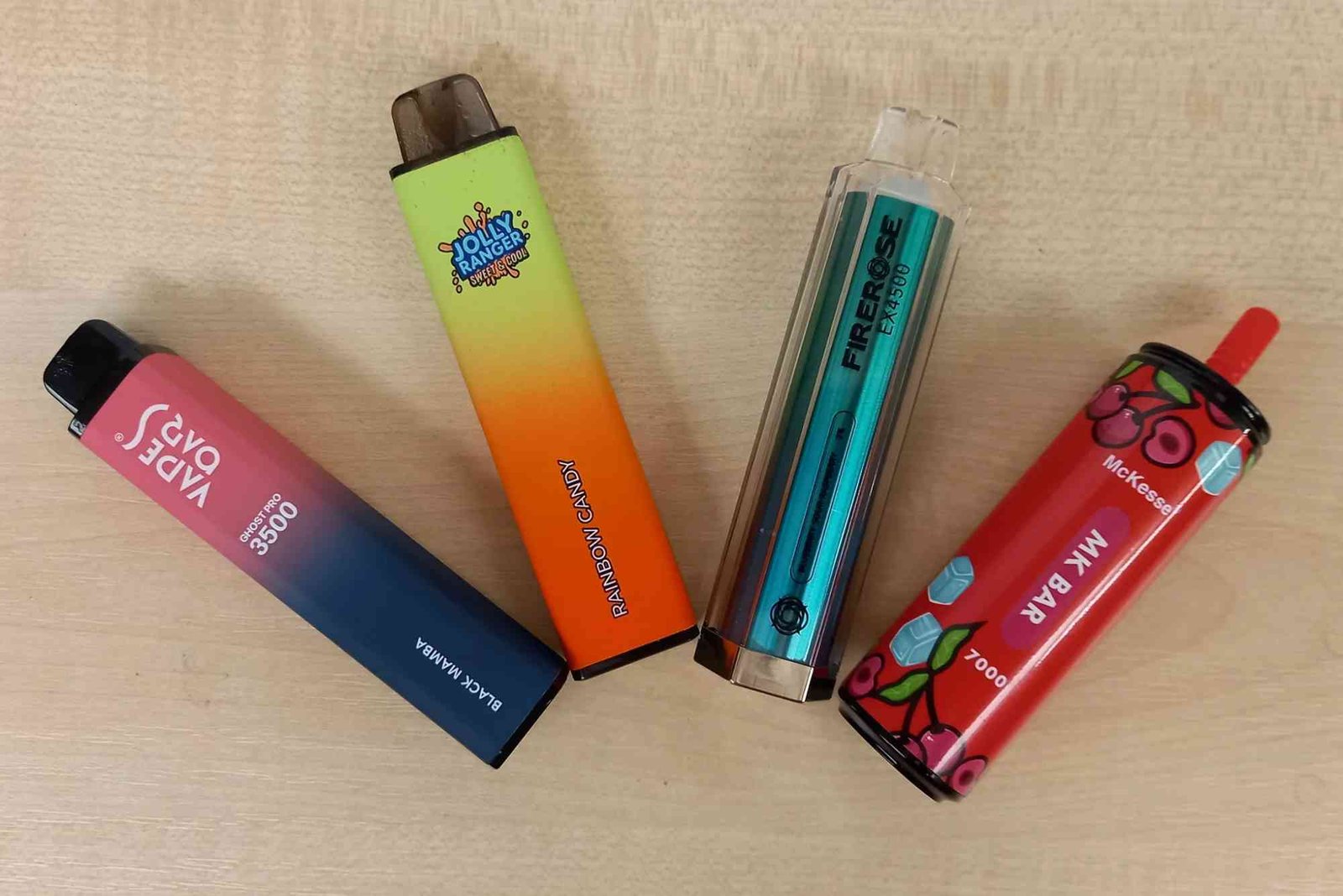
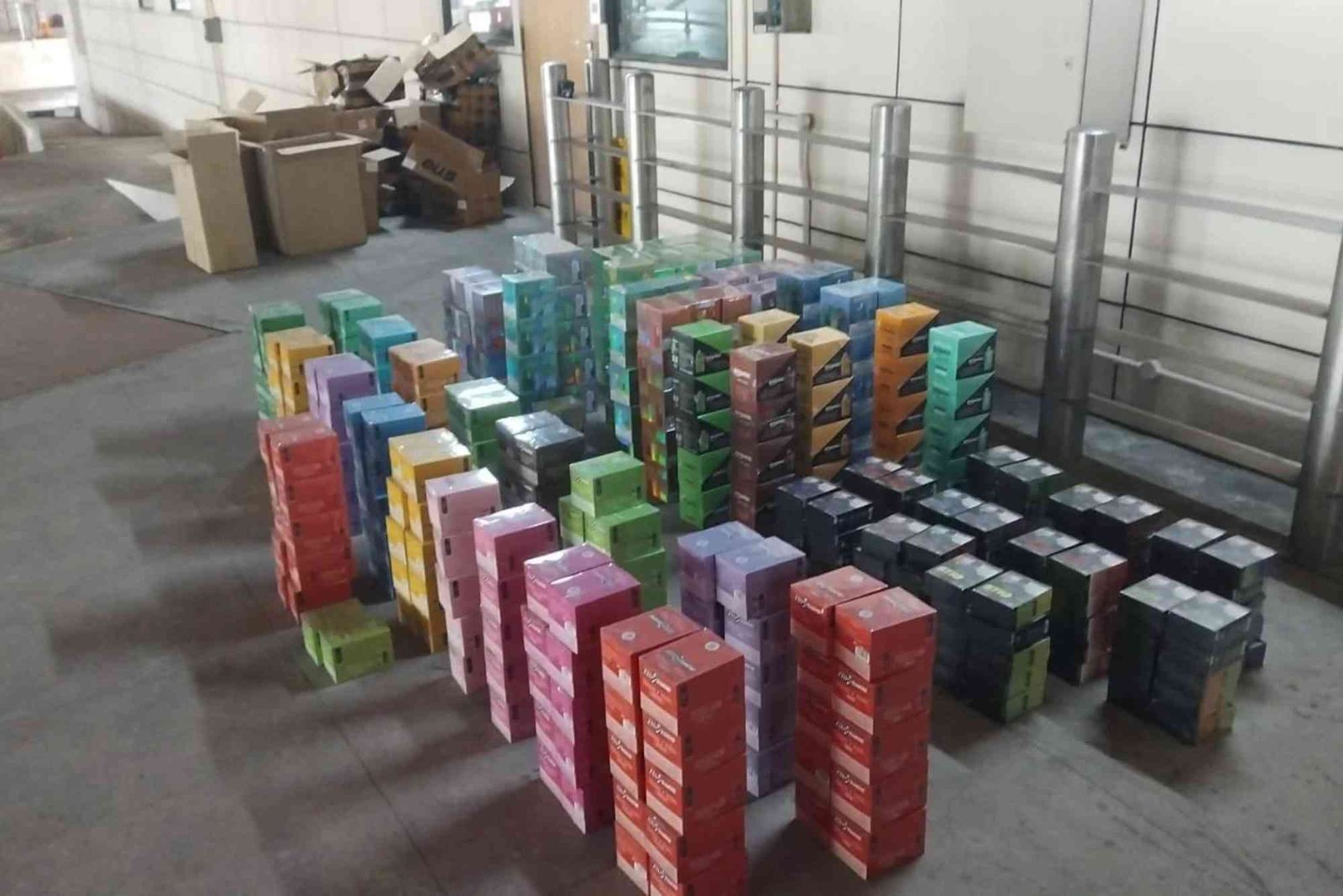
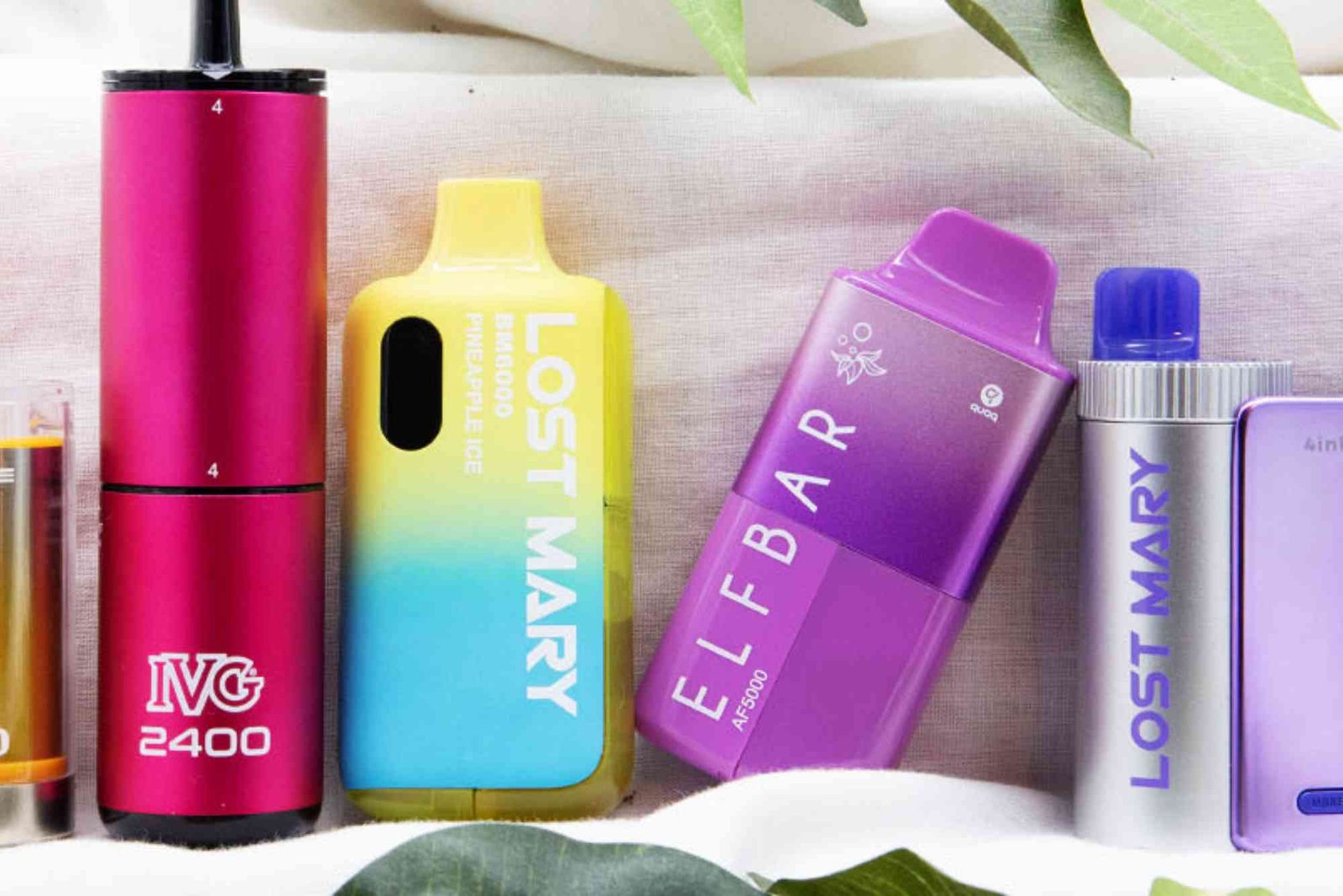
As of 2025, popular disposable e-cigarettes—especially flavored varieties—can no longer be sold in Kentucky if they lack FDA approval. This particularly affects products like certain disposable brands that were widely used among young consumers.
Legal Challenge and Its Outcome
Retailers and industry groups filed a lawsuit claiming the law was unconstitutional and harmful to hemp-derived vape businesses. In May 2025, the case was dismissed, with the court upholding the law. This outcome confirmed that enforcement would continue across the state.
Competing Proposals on the Table
Several new proposals are under discussion in the Kentucky legislature:

- Some bills would pause the current law until a pending U.S. Supreme Court decision on vaping.
- Others seek full repeal of the 2024 restrictions.
- Another bill would add state licensing requirements for vape retailers.
- Proposals also exist to allocate settlement funds from major vape companies toward youth prevention programs.
Impacts on Vaping Health
Youth Protection from Harmful Products
By limiting vape sales to FDA-authorized products, the law aims to prevent youth access to flavored and brightly packaged disposables often marketed toward minors. This aligns with broader public health goals of reducing nicotine initiation among teens.
Removing Dangerous THC Vapes
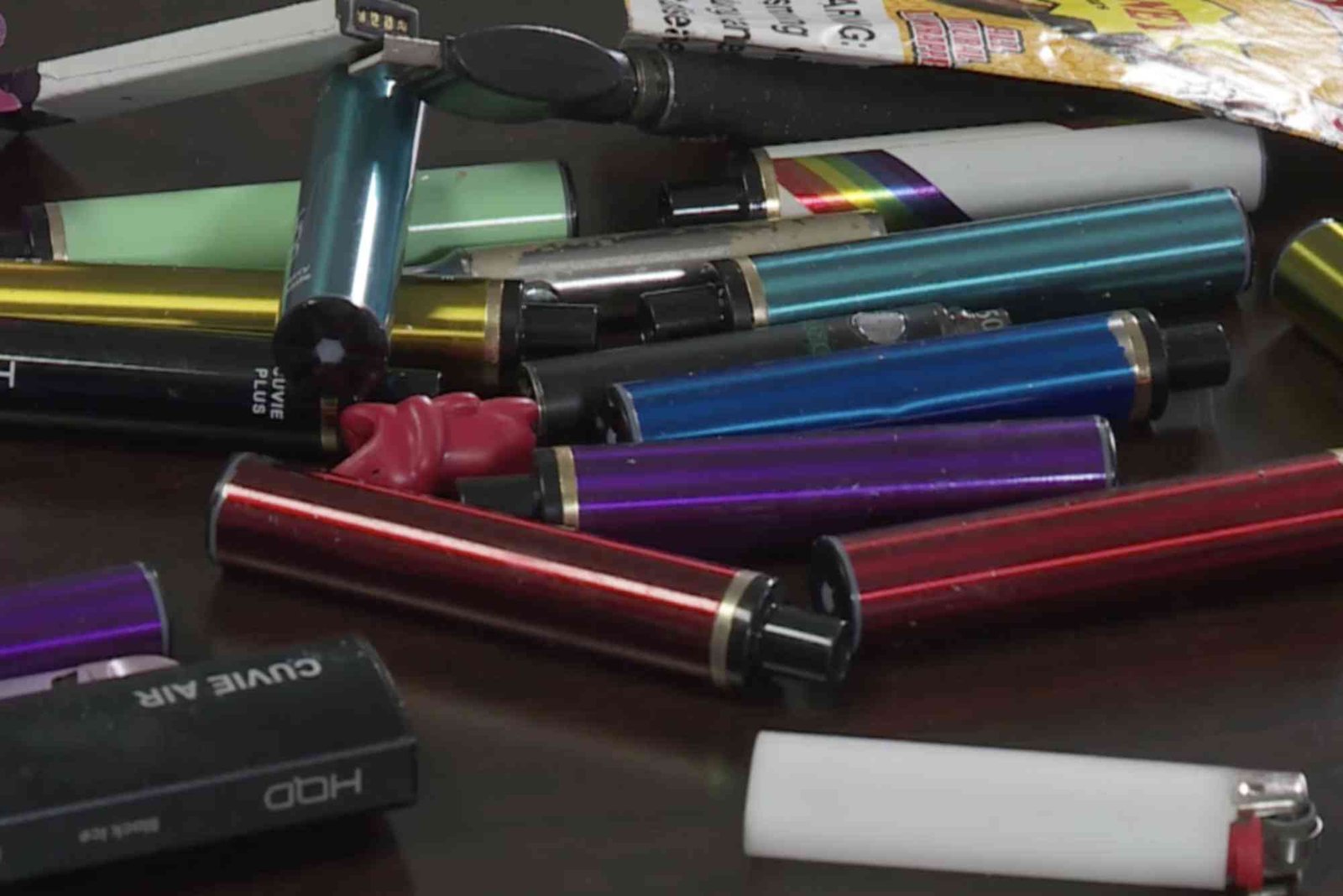
School health policies also target e-cigarettes containing THC, which are linked to lung injury. The removal of such products from circulation, combined with tobacco-free school initiatives, helps reduce high-risk vaping behaviors among students.
Reduced Product Variety for Adults
While the law may benefit youth health, it also restricts the variety of vaping products available to adults. Many smokers who use flavored vapes for cessation purposes now have fewer options, potentially impacting their ability to transition away from cigarettes.
Stronger Enforcement Improves Compliance
With the legal challenge dismissed, enforcement has become more consistent. Retailers must either comply with the FDA authorization requirements or face penalties, which may lead to a noticeable drop in unauthorized products on the market.
Real-World and Business Effects
Small Businesses Feel the Pressure
Many small vape shops have reported closures or stock reductions. Some owners have opted to relocate their inventory to neighboring states where the laws are less restrictive.
Market Consolidation Concerns
Critics argue the law could consolidate the market in favor of large companies capable of affording FDA approval processes, making it difficult for independent brands to compete.
Funding for Youth Prevention
Legislative proposals to allocate settlement funds toward youth prevention programs could help address nicotine addiction before it starts, complementing the law’s primary goal of safeguarding public health.
What’s Next—and What to Watch
Possible Pauses or Repeals
Pending legislation could pause or repeal parts of the current law. If passed, such changes would drastically alter the enforcement landscape and its health implications.
Licensing Requirements
If new licensing rules pass, vape retailers would have to obtain state-issued licenses, adding more compliance layers and possibly filtering out non-compliant businesses.
Continued Health Education
Ongoing school-based prevention programs and tobacco-free policies are expected to remain key tools in combating youth vaping, working alongside legal restrictions to achieve long-term health benefits.
In 2025, vapes in Kentucky law are doing more than regulating products—they’re shaping the health habits of both youth and adults. By requiring FDA authorization and removing unauthorized disposables, the law targets youth vaping rates and promotes safer product standards.
FAQs
Q1: What is the legal age to buy vape products in Kentucky?
The minimum age is 21 for all tobacco and vape products.
Q2: Are all vapes banned in Kentucky in 2025?
No. Only vape products without FDA approval or safe-harbor certification are banned. Authorized products remain legal.
Q3: Can retailers challenge the vaping law?
They did, but the challenge was unsuccessful. The law was upheld in court, and enforcement is ongoing.
Q4: Are there local vaping bans in Kentucky?
Yes. Some cities have local ordinances banning vaping in enclosed public spaces and workplaces.