Whether you’re new to vaping or just got your first mod, understanding vape battery safety is crucial. Batteries are the powerhouses behind every vape device. But without proper care and handling, they can become dangerous. From overheating to short circuits, battery misuse can lead to accidents that are entirely preventable.
In this guide, we’ll walk through everything beginners need to know about vape battery safety—what batteries to use, how to charge them, and common dos and don’ts. Let’s keep your vaping experience enjoyable and, most importantly, safe.
Why Vape Battery Safety Matters
The popularity of vaping has exploded in recent years, and with it, a wide variety of devices and batteries have entered the market. While most are safe when used correctly, improper use or low-quality batteries can pose serious risks.
Accidents Can Happen
There have been reported cases of vape batteries exploding in pockets or while charging. Most of these incidents come down to poor handling, damaged batteries, or misuse. With just a little knowledge, you can avoid such dangers entirely.
Protecting Yourself and Your Device
Proper battery care doesn’t just protect you—it extends the life of your vape and improves its performance. Maintaining battery safety means fewer issues and smoother sessions.
Understanding Vape Batteries
Before diving into best practices, it’s important to know what type of batteries are commonly used in vape devices.

What Are 18650 Batteries?
Most vape mods use lithium-ion rechargeable batteries, particularly the 18650 type. These are high-drain batteries designed for devices that draw a lot of power quickly—perfect for vaping.
Built-in vs. Removable Batteries
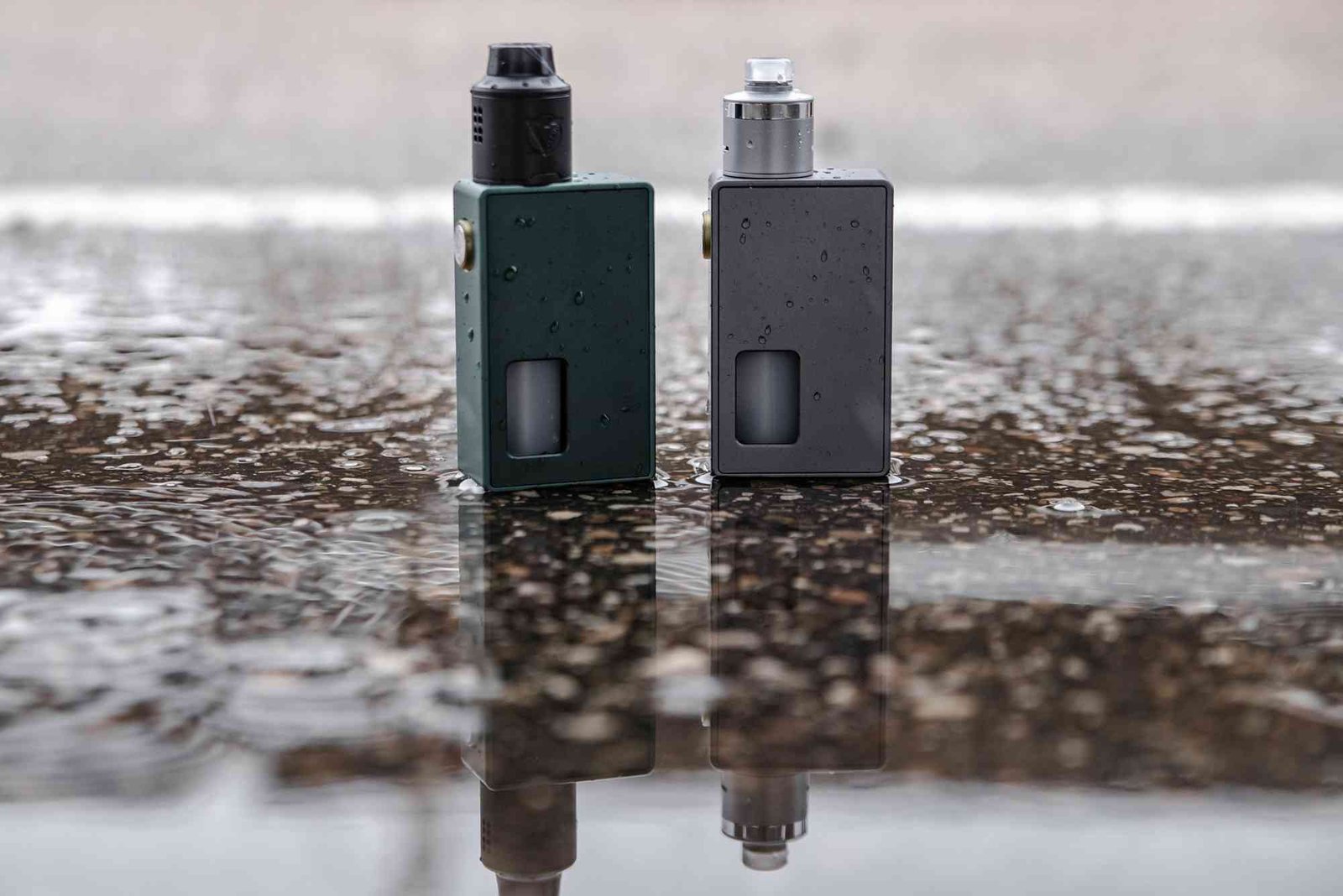
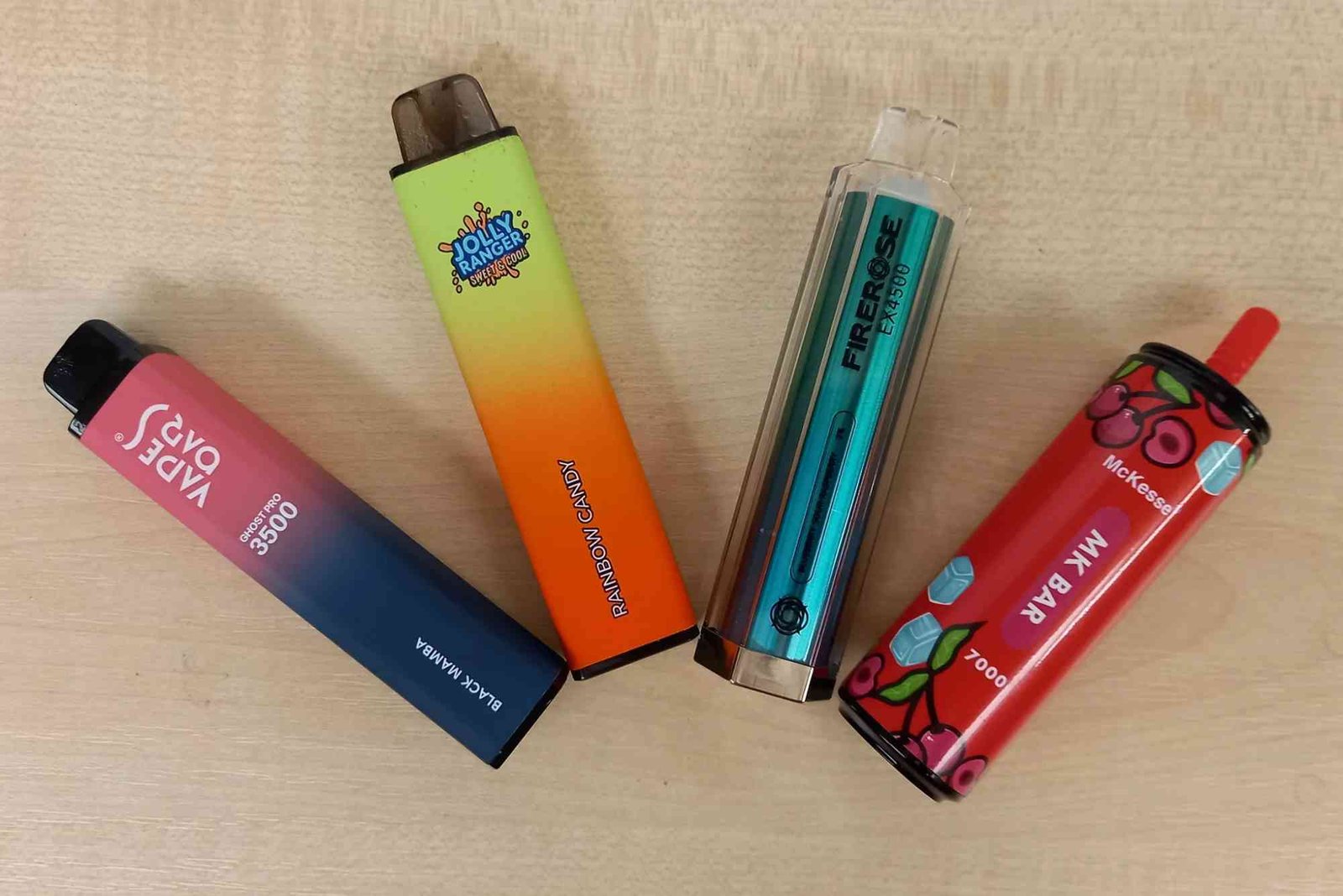
Beginner devices often come with built-in batteries. These are convenient and reduce the risk of incorrect battery installation. Mods with removable batteries offer more flexibility but require more knowledge to use safely.
Vape Battery Safety Best Practices
Now that you know what kind of batteries you’re dealing with, let’s look at how to keep them safe.
Choose High-Quality Batteries
Always purchase batteries from reputable brands and trusted retailers. Cheap, off-brand batteries may lack essential safety features or use inferior materials. Look for names like Sony, Samsung, or LG.
Use the Right Charger
Avoid charging your vape batteries with phone chargers or generic USB cables. Always use the charger provided with your device or a dedicated external charger made for vape batteries.
Don’t Overcharge
Unplug your device once it’s fully charged. Leaving batteries plugged in for too long can lead to overheating or degrade battery life over time.
Monitor Battery Temperature
If your battery feels hot to the touch, stop using it immediately. High temperatures can indicate internal damage or a short circuit. Always let your battery cool before using or charging it again.
Charging Safety Tips
Charging is one of the most overlooked aspects of vape battery safety. Following simple charging habits can prevent serious problems.
Never Leave Batteries Charging Unattended
It’s tempting to leave your device charging overnight or while you’re out. But unattended charging is a major risk factor for fires or device damage. Always keep an eye on your charging batteries.
Avoid Charging Near Flammable Items
Keep your charger away from pillows, beds, or paper. If anything goes wrong, nearby flammable objects can worsen the situation.
Safe Storage and Handling
Even when you’re not using your vape, battery safety remains important.
Use Battery Cases
Loose batteries in your bag or pocket can short out if they come in contact with metal objects like keys or coins. Use a plastic battery case to prevent this.
Inspect for Damage
Check batteries regularly for signs of wear, dents, or torn wraps. Damaged batteries are more likely to malfunction and should be replaced immediately.
When to Replace Your Vape Battery
All batteries degrade over time. Knowing when to replace yours is part of staying safe.
Signs It’s Time for a New Battery
- Your device charges slowly or not at all
- You notice a drop in performance
- The battery gets unusually hot
- It doesn’t hold charge as long as it used to
If you experience any of these, it’s time to replace the battery with a new, high-quality one.
Common Beginner Mistakes to Avoid
Many vape-related battery accidents happen because of simple beginner errors. Here’s what to watch out for.
Mixing Batteries
Always use batteries of the same brand, model, and charge level in dual-battery devices. Mixing them increases the risk of uneven discharge, which can be dangerous.
Using Torn Battery Wraps
A damaged battery wrap exposes the metal beneath, which can lead to shorts if it touches other metals. Always rewrap or replace batteries with damaged skins.
Keeping Your Device Clean
A clean device helps maintain good battery contact and performance.
Clean Battery Contacts
Dust and e-liquid can accumulate on battery terminals. Use a dry cotton swab to gently clean the contacts every week or so.
Stay Safe and Vape Smart
Being informed about vape battery safety can make all the difference between a smooth vaping experience and a hazardous one. As a beginner, always choose high-quality batteries, charge them responsibly, and handle them with care. These small habits can prevent major problems.
Ready to vape smarter?
Bookmark this guide and share it with fellow beginners. Safety is a shared responsibility—let’s keep the community safe and informed.
FAQ: Vape Battery Safety for Beginners
How do I know if my vape battery is safe?
Check for any signs of damage, swelling, or overheating. Always use batteries from trusted brands and avoid physical damage.
Can I charge my vape with any USB cable?
No. Use the charger that comes with your device or one specifically designed for vape charging. Avoid generic or phone chargers.
Is it okay to leave my vape charging overnight?
It’s not recommended. Overcharging can lead to overheating and battery degradation. Always unplug once fully charged.
Why did my vape battery get hot?
Excessive heat can come from chain vaping, overcharging, or internal damage. Stop using the battery and let it cool.
What should I do with old or damaged batteries?
Recycle them at a proper e-waste facility. Never throw lithium-ion batteries in the trash, as they can be a fire hazard.