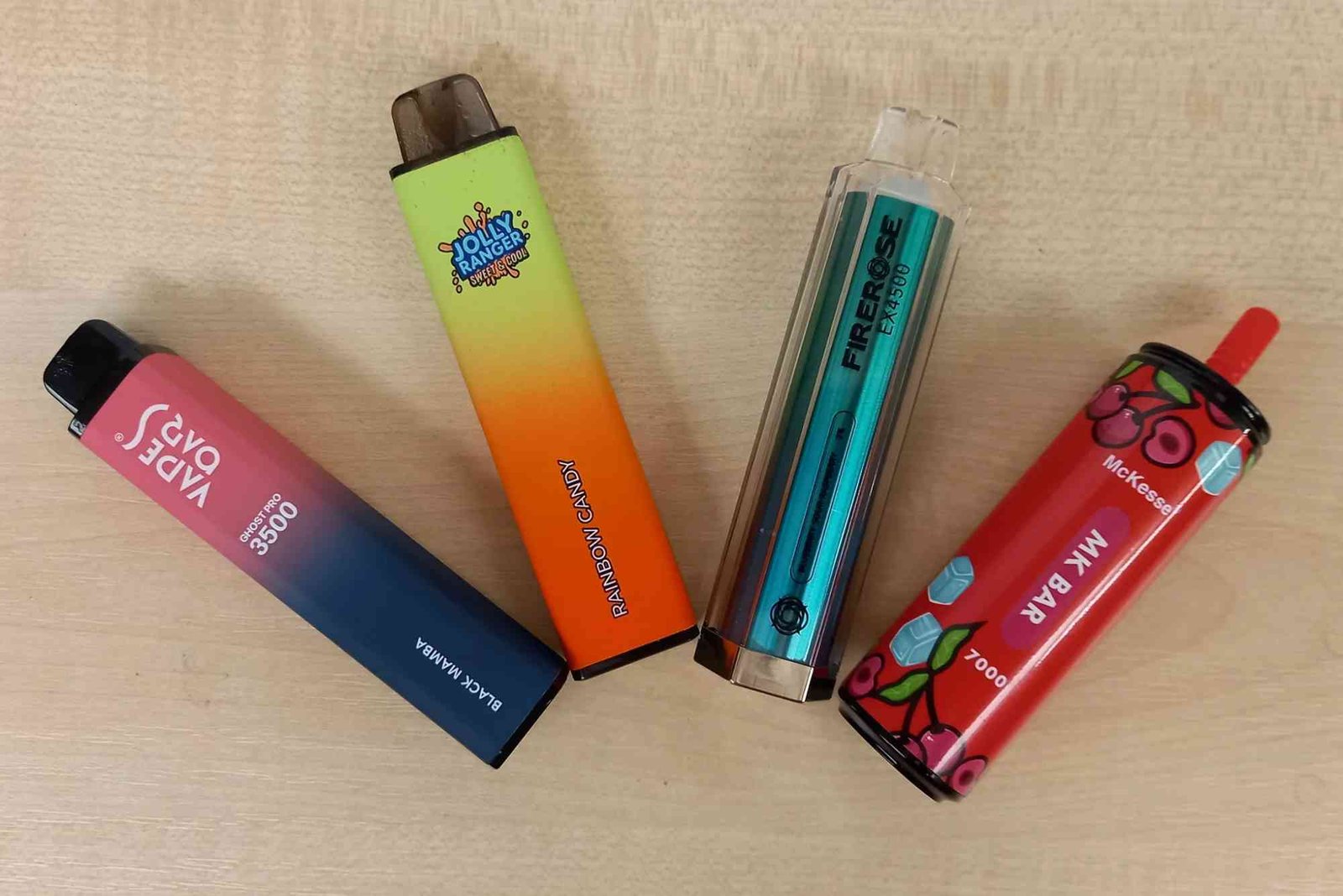

The Truth About Vaping Side Effects
As vaping continues to grow in popularity, especially among younger adults, questions about its safety have also surged. While often marketed as a safer alternative to smoking, many people are left wondering what the actual vaping side effects are. This article explores both the short-term and long-term health effects of vaping, separating myths from facts based on real evidence and expert insights.
What Are Vaping Side Effects?
Vaping side effects refer to any physical or mental changes caused by using e-cigarettes or vape pens. These can vary depending on how frequently you vape, the ingredients in the vape liquid, and your personal health conditions. Although many people switch to vaping to quit smoking, it is not entirely risk-free.
Short-Term Vaping Side Effects
Dry Mouth and Throat Irritation
One of the first side effects many users report is a dry mouth or throat. This happens because propylene glycol, a common ingredient in e-liquids, absorbs moisture. If you’re vaping regularly without staying hydrated, dryness and irritation are likely to occur.
Headaches and Dizziness
Vaping too much in one sitting can cause mild headaches or dizziness. These symptoms are usually tied to high nicotine content. If you’re using a strong nicotine vape, your body might react similarly to how it would with too many cigarettes.
Coughing and Chest Tightness
Some users, especially beginners, experience coughing or a feeling of tightness in the chest. This often stems from an adjustment period, as your lungs are not used to inhaling vapor. If symptoms persist, it may indicate an allergic reaction or sensitivity to certain vape ingredients like flavorings or vegetable glycerin.
Long-Term Vaping Side Effects
Lung Health Risks
One of the biggest concerns surrounding vaping side effects is its impact on lung health. Studies have shown that repeated exposure to certain chemicals in vape aerosols can lead to inflammation in lung tissue. In rare but serious cases, conditions like popcorn lung (bronchiolitis obliterans) have been reported due to diacetyl, a flavoring compound used in some e-liquids.

According to the American Lung Association, even though vaping is less harmful than smoking traditional cigarettes, it is not harmless. The long-term effects are still being studied, but early research suggests that daily vaping can negatively impact respiratory function over time.
Nicotine Addiction and Brain Development
Many vape products contain nicotine, which is not only addictive but also harmful to brain development in adolescents and young adults. Continued exposure can affect areas of the brain that control attention, learning, and mood regulation. This raises concerns for teenagers who start vaping early, believing it to be a safer habit.
Impact on Heart Health
Emerging studies from organizations like Johns Hopkins Medicine have highlighted possible connections between vaping and increased heart rate, blood pressure, and arterial stiffness. These are early indicators of cardiovascular strain. While not yet conclusive, this data is enough to warrant caution, especially for users with pre-existing heart conditions.
Mental and Emotional Side Effects of Vaping
Secondhand Vapor Exposure
While secondhand vapor is less dangerous than cigarette smoke, it is not entirely harmless. People around vapers can still inhale trace levels of nicotine, heavy metals, and volatile organic compounds. This is especially concerning for children, pregnant women, and individuals with asthma or other respiratory issues.
Can You Reduce the Side Effects of Vaping?
Yes, several strategies can help you lower your risk of experiencing vaping side effects:
- Choose low-nicotine or nicotine-free e-liquids
- Stay hydrated before and after vaping
- Avoid flavored vapes with harsh chemicals or additives
- Use vape devices from reputable brands
- Limit frequency and duration of vaping sessions
Small lifestyle adjustments and smarter product choices can go a long way in making vaping less harmful.
Is Vaping Safer Than Smoking?
This is one of the most frequently asked questions. According to Public Health England, vaping is significantly less harmful than smoking traditional cigarettes. However, this does not mean it is safe. It’s more accurate to say vaping is a harm-reduction method, not a completely risk-free solution.
People looking to quit smoking often turn to vaping as a stepping stone. If you’re doing this under medical guidance and gradually reducing nicotine levels, it can be effective. But if vaping becomes a long-term habit, the side effects—especially from chronic use—can still be damaging.
The Role of Regulation and Product Safety
Government regulations play a crucial role in minimizing vaping side effects. In places like the UK and EU, strict rules on nicotine content and ingredient transparency help protect consumers. In contrast, less-regulated markets are more likely to have harmful additives or mislabeled products.
To stay safe, always read the label, check for certification, and avoid DIY or black-market vape liquids. Some reported cases of severe lung damage were linked to vitamin E acetate, a substance found in illicit THC vape cartridges.
Real Stories: Vapers Speak Out
Many users report both benefits and drawbacks. Some find vaping helps them quit smoking and feel better overall. Others regret switching to vaping, especially after developing chronic coughs or feeling addicted again—just in a new form.
One 25-year-old former smoker shared how vaping helped him quit cigarettes but eventually led to chest pain and fatigue. After switching to nicotine-free vapes and lowering frequency, his symptoms improved. This highlights the importance of mindful use.
FAQs About Vaping Side Effects
Does vaping cause lung damage?
Yes, prolonged use can cause lung inflammation. Though milder than cigarette smoke, vape aerosols still carry risks to your lungs.
Can vaping cause acne or skin problems?
Some users report breakouts or dry skin, often linked to dehydration or allergic reactions to vape ingredients.
Is vaping without nicotine safe?
Nicotine-free vaping is less addictive but still not entirely safe. Flavored vapors and other chemicals can still affect your lungs and throat.
Does vaping affect your teeth?
Vaping can lead to dry mouth, increasing the risk of tooth decay and gum issues. Nicotine also reduces blood flow, which affects oral health.
How long do side effects from vaping last?
Short-term symptoms like headaches or coughing often fade in a few days. However, long-term effects may take years to become evident or recover from.
Should You Be Worried About Vaping Side Effects?
Vaping may offer a less harmful alternative to smoking, but it’s far from risk-free. Understanding vaping side effects—both immediate and long-term—can help you make informed decisions about your health. If you’re currently vaping, be mindful of how it affects your body and consider strategies to reduce harm.
For those thinking of starting, ask yourself: is this truly a better option, or just a different path to the same problems? Talk to a healthcare provider before making any decisions, especially if you have pre-existing conditions.
Ready to make a change?
Whether you’re vaping now or just considering it, take time to learn, reflect, and act responsibly. If you’re thinking about quitting, consult a smoking cessation expert or use certified programs to guide your journey.