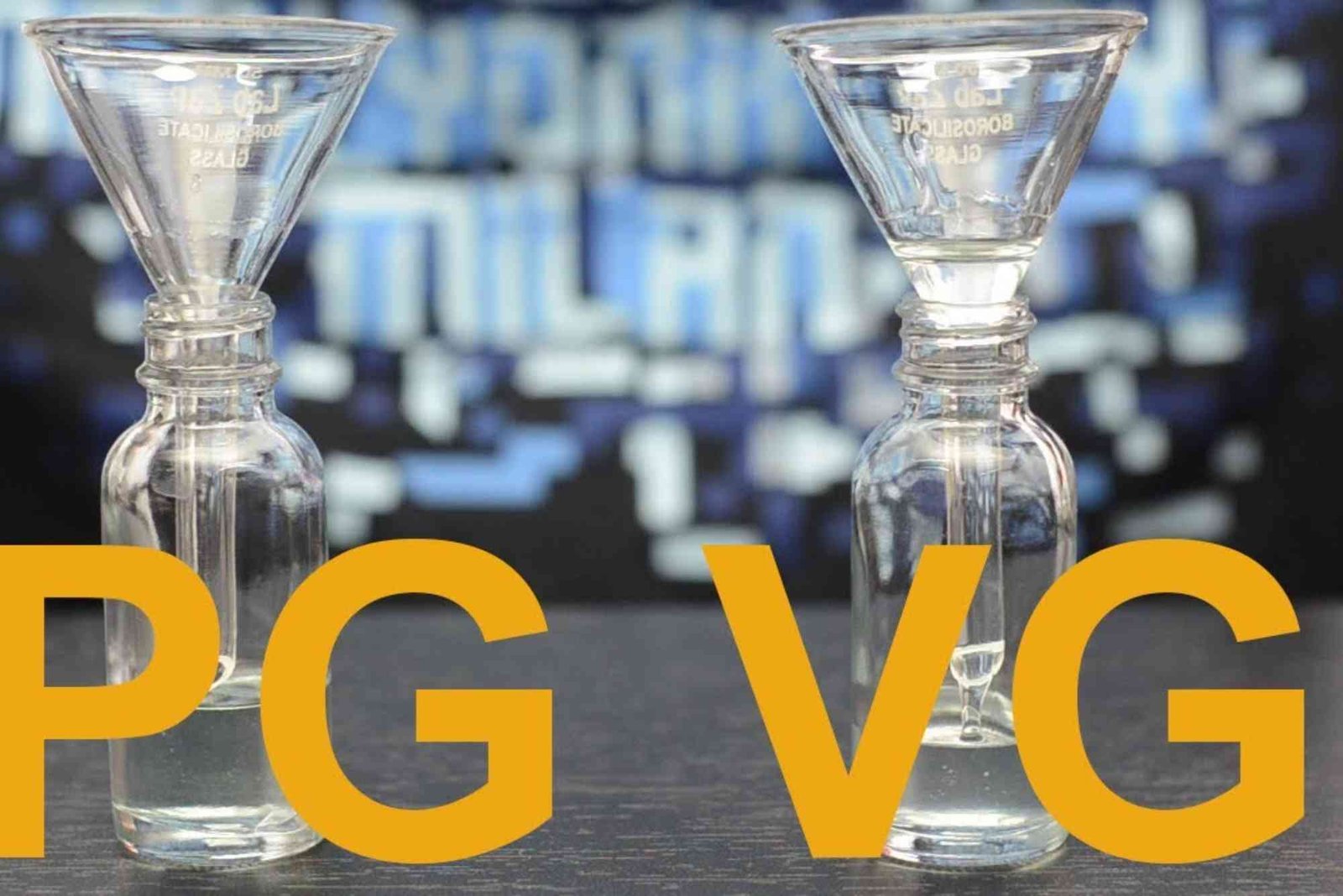
PG vs VG: Which Is Better for Beginners?
If you’re just starting out with vaping, you’re likely overwhelmed by all the choices available. One of the most important — and confusing — is the decision between PG and VG. In this PG vs VG guide, we’ll break down everything you need to know to help you make the best choice for your vaping experience.
From throat hit to vapor production, we’ll explore what makes each base unique and which one suits beginners better. Whether you’re buying your first e-liquid or curious about how PG/VG ratios affect performance, this guide has got you covered.
Understanding the Basics: What Are PG and VG?
Before diving into comparisons, it’s essential to understand what PG and VG are. PG stands for Propylene Glycol, while VG stands for Vegetable Glycerin. These are the two primary ingredients found in most e-liquids, aside from nicotine and flavorings. Each offers distinct characteristics that influence how the e-liquid behaves in your device and feels during use.
What Is PG (Propylene Glycol)?
PG is a thin, clear, odorless liquid that carries flavor exceptionally well. It’s commonly used in food and pharmaceutical products, making it a safe and well-studied ingredient. For vapers, PG is known for delivering a stronger throat hit, which many ex-smokers prefer. It’s ideal for those looking for a sensation closer to traditional smoking.
However, PG can be harsh for some users, especially at high concentrations. It also produces less vapor compared to VG. Some people may experience mild irritation or allergies to PG, though this is rare.
What Is VG (Vegetable Glycerin)?
VG is a thicker, slightly sweet liquid derived from vegetable oils. It’s often found in cosmetic and food products and is equally safe for inhalation. In e-liquids, VG is known for creating dense clouds of vapor and offering a smoother, sweeter vape.

VG is perfect for those who want large clouds and a softer inhale. However, it doesn’t carry flavors as well as PG and can sometimes clog up coils due to its thickness, particularly in beginner-level devices with less power.
Key Differences Between PG and VG
Understanding how PG and VG differ helps new vapers make informed decisions. These two base liquids influence every aspect of your vaping experience, from flavor to cloud size.
Throat Hit vs Smoothness
PG delivers a noticeable throat hit, similar to what you’d feel when smoking a cigarette. That makes it a popular choice for people switching from smoking to vaping. On the other hand, VG offers a much smoother inhale, which is often more enjoyable for casual users or those with sensitive throats.
Flavor vs Vapor Production
PG excels at flavor delivery. If you’re after bold, sharp taste, PG-based or high PG e-liquids are the way to go. In contrast, VG mutes flavors slightly but produces thick, milky vapor clouds — ideal for those who enjoy visual impact or perform vape tricks.
Viscosity and Coil Compatibility
PG’s low viscosity means it flows easily through coils and wicks well in most vape pens or pod systems. VG’s higher viscosity can make it harder for entry-level coils to absorb the liquid, potentially causing dry hits or coil gunking. That’s why devices with larger coils or sub-ohm capabilities are better suited for VG-heavy liquids.
Allergy Concerns
A small number of vapers report sensitivity to PG, which can result in sore throat, dry mouth, or mild irritation. VG, being more natural and less irritating, is often recommended for users with such concerns.
Which PG/VG Ratio Is Best for Beginners?
The answer largely depends on your vaping goals. That said, most beginners do best with a balanced 50/50 PG/VG ratio. This blend provides a good mix of flavor, throat hit, and vapor without being too harsh or clogging up coils.
A 70/30 PG/VG ratio is great for stronger flavor and throat hit, while a 30/70 PG/VG blend is better for smoother inhales and cloud chasing — but only if your device supports thicker liquids.
Beginners using basic pod systems or starter kits should avoid very thick, VG-dominant liquids unless specified by the manufacturer. Otherwise, you may encounter leaking or dry hits.
Choosing the Right Device for PG or VG
Your device plays a critical role in how well your chosen PG/VG ratio performs. Starter kits and pod systems usually work best with 50/50 or high PG juices. They have smaller coils and lower wattage, which suits thinner liquids.
If you’re planning to use VG-heavy e-liquids, opt for a sub-ohm vape device. These have wider coils and more power to vaporize thick VG without issues.
So before buying e-liquid, double-check your device’s coil resistance and recommended e-liquid type. Getting this wrong can make vaping less enjoyable and waste your money.
Real-World Scenarios: Who Should Use What?
Let’s explore a few beginner scenarios to understand what works best.
If you’re quitting cigarettes and want that familiar hit, high PG (like 70/30) is ideal. It delivers the throat punch you miss and intensifies flavor, keeping cravings at bay.
If you’re more interested in smooth, flavorful puffs with visual vapor, VG-rich juices (like 30/70 or 20/80) may feel more satisfying. Just make sure your device can handle thicker juices.
If you’re unsure, stick with 50/50 blends. They’re the most versatile and beginner-friendly.
PG vs VG Guide: Pros and Cons Summary
Let’s quickly recap the advantages and limitations of each base.
PG Pros:
- Strong throat hit
- Excellent flavor carrier
- Works well in most beginner devices
- Less gunk on coils
PG Cons:
- Can cause irritation or dryness
- Produces less vapor
VG Pros:
- Smooth inhale
- Massive vapor clouds
- Gentle on throat
- Good for cloud chasers
VG Cons:
- Mutes some flavors
- Thicker consistency may clog coils
- Not ideal for low-power devices
Common Myths About PG and VG
Some people think PG is dangerous because it’s a “chemical,” but both PG and VG are approved by health authorities for consumption and inhalation. Another myth is that VG always tastes better. While it’s sweeter, it doesn’t deliver sharper flavor notes like PG does.
Also, cloud size doesn’t mean better performance — it all depends on your goals as a vaper.
What Should Beginners Choose?
When it comes to PG VS VG Guide, there’s no one-size-fits-all answer. However, for most beginners, a balanced 50/50 e-liquid provides the smoothest entry point. It offers good flavor, moderate throat hit, and enough vapor for a satisfying experience.
Start with a 50/50 ratio, experiment over time, and adjust according to your needs and device compatibility. Remember, vaping is a personal journey — the right blend is the one that feels right to you.
FAQs
Is PG or VG better for beginners?
Most beginners do well with a 50/50 blend of PG and VG. It’s compatible with most starter kits and offers a balanced experience of flavor and vapor.
What PG/VG ratio is best for flavor?
High PG ratios, such as 70/30, deliver stronger flavors. PG carries flavor better than VG, making it ideal for those who prioritize taste.
Can VG make coils burn faster?
Yes, VG is thicker and can clog coils, especially in low-powered devices. This may lead to dry hits or faster coil burnout if your device isn’t compatible.
Is VG safer than PG?
Both VG and PG are considered safe for inhalation and are used in food and cosmetics. However, VG may be gentler for people with PG sensitivity.
Does PG or VG produce more clouds?
VG produces more vapor, making it the choice for cloud chasers. PG, in contrast, creates minimal visible vapor but enhances throat hit and flavor.